

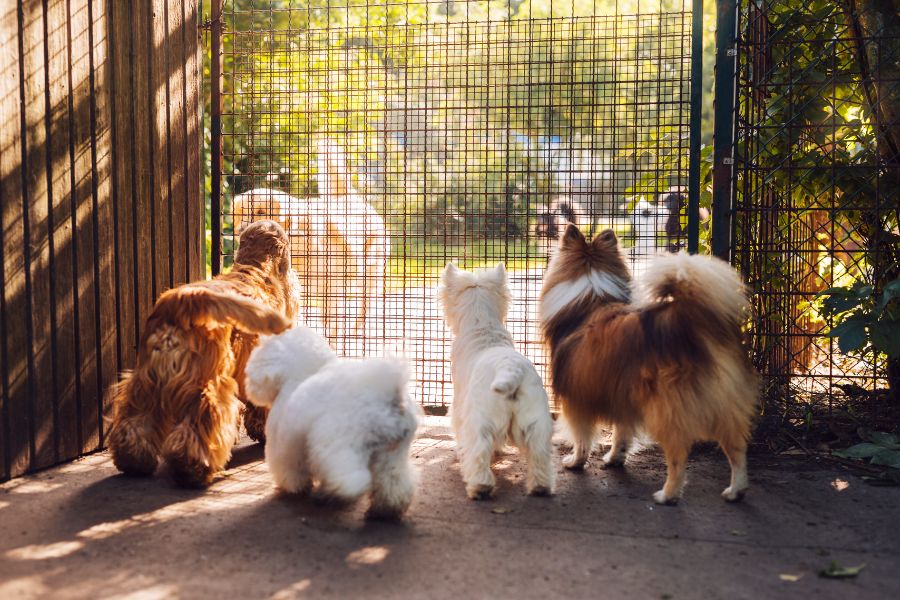
For many pet parents, the decision to enroll their dogs in a structured care environment is made to ensure safety, socialization, and routine. Therefore, a clear understanding of what happens throughout the day can help create confidence and comfort.
At a well-managed dog daycare, each moment is thoughtfully planned, and a predictable rhythm is followed to keep dogs secure, enriched, and engaged. Although every facility may differ slightly, most follow a similar daily flow. The following overview illustrates how a typical day is usually organized, with each stage designed to meet both physical and emotional needs.
Morning Drop-Off and Settling In
When the day begins, a calm intake process is usually carried out. Dogs are welcomed, checked in, and guided to their designated areas. Meanwhile, staff members observe each dog’s behavior to ensure that the transition from home to daycare is smooth. Additionally, vaccination records, special instructions, or behavior notes may be reviewed for accuracy.
After the initial arrival, dogs are typically given a brief adjustment period. This quiet window allows them to settle, smell their surroundings, and reconnect with familiar friends. Although excitement is common, staff members help maintain a gradual pace so that the day begins on a positive, balanced note.
Morning Group Play Sessions
Once all dogs have arrived, structured group play is usually introduced. Groups are often divided based on size, temperament, playstyle, and energy level. As a result, safer interactions and more enjoyable play sessions are facilitated.
During these sessions, enrichment toys, tunnels, splash pads, or climbing structures may be used. However, play is not left unmonitored. Trained handlers remain present to supervise body language, manage energy, and redirect behaviors when needed. Because safety is prioritized, all activities are guided by professional oversight.
Furthermore, socialization is naturally encouraged as dogs interact with one another and gain confidence through positive experiences. In fact, this is one of the most beneficial aspects of dog daycare, helping dogs build communication skills that support their behavior outside the facility as well.
Mid-Morning Mental Enrichment Activities
After an active round of physical play, calmer mental challenges are frequently offered. Puzzle games, scent-based activities, or basic training refreshers may be included. Although simple, these exercises stimulate the mind and help reduce overstimulation.
Consequently, dogs experience a balanced mix of excitement and focus. Transitioning from high-energy play to structured enrichment allows them to settle into a healthy rhythm that supports overall well-being. In many facilities, these sessions are rotated so that every dog receives both mental and physical engagement.
Supervised Rest and Nap Time
By midday, most dogs are ready for a break. A quiet rest period is usually scheduled to allow everyone to recharge. Individual kennels, cozy corners, or designated nap rooms may be used depending on the facility’s setup.
During this period, lights may be dimmed, and soft music or white noise may be played to promote relaxation. Staff members continue supervising the environment, ensuring that each dog remains comfortable and undisturbed. This structured downtime is essential because overstimulation can lead to stress, and adequate rest supports healthy behavior throughout the remainder of the day.
Feeding and Special Care
If meals are provided from home, lunchtime feeding may be conducted during the rest period. Additionally, some dogs may require medication or specific care routines. These tasks are usually handled with precision and careful documentation to avoid errors.
Furthermore, dogs with special dietary needs or those following veterinarian-guided instructions—such as plans advised by a veterinarian palatine il—are given individualized attention. This ensures that their health requirements are respected even while away from home.
Afternoon Play and Rotations
After all dogs have had time to rest, the afternoon typically begins with a second round of group play. Energy levels are often more moderate during this session, allowing for calmer interactions and more relaxed socializing.
Rotations may be introduced, meaning dogs alternate between different activity zones. For example:
- Outdoor yards may be used for running and social play.
- Indoor rooms may host gentler enrichment or climate-controlled activities.
- Small-group sessions may be scheduled for dogs who thrive in more focused social environments.
Because every dog has unique preferences and needs, these rotations help ensure balanced exposure to stimulating and calming activities.
One-on-One Engagement
Although group play is the foundation of most dog daycare programs, one-on-one attention is also commonly provided. Staff may offer brushing, cuddles, leash walks, or simple training reinforcement during quieter windows throughout the afternoon.
These moments help dogs feel seen and supported as individuals. Moreover, they strengthen the bond between staff and dogs, contributing to a safer, more predictable environment. For shy or anxious dogs, one-on-one time can be especially helpful in building trust.
Late-Afternoon Wind-Down
As the day begins to close, dogs are guided through a slower-paced cooldown period. High-energy play is reduced, and calmer interactions are encouraged. This allows dogs to settle before parents arrive, making pickup smoother and preventing overstimulation at the end of the day.
Additionally, staff members use this time to document daily behaviors, note highlights, track meals or medications, and prepare feedback for pet parents. Some facilities send digital report cards, while others provide verbal summaries during pickup.
Pickup Time
When families arrive, an organized pickup routine is followed. Dogs are safely transferred to their owners, and belongings such as leashes, food containers, or medication are returned. Staff may share updates about the dog’s activities, rest, behavior, and any relevant notes from the day.
Although dogs may appear tired, the fatigue is typically a healthy mix of physical play, mental enrichment, and social stimulation. A content, relaxed dog is a common sign of a successful daycare experience.
Why This Structured Routine Matters
Overall, a structured daily schedule ensures that dogs receive a balanced blend of exercise, mental engagement, rest, and social interaction. Because each phase of the day is intentionally planned, dogs are supported both emotionally and physically. Consequently, confidence grows, habits improve, and stress levels decrease.
Moreover, pet parents gain peace of mind knowing their dogs are spending the day in a secure, supervised environment that prioritizes their well-being. When consistency is maintained, the benefits of dog daycare can extend beyond the facility and into the home, supporting better behavior and a more fulfilled lifestyle.



Unable to locate Global Block : 69