Pet X-rays, Ultrasounds & More!
Just like humans, animals can also suffer from a variety of health issues. However, unlike humans, animals cannot communicate their symptoms and discomfort. This is where veterinary diagnostics play a crucial role. These tests help veterinarians identify the underlying cause of an animal's symptoms and provide appropriate treatment. Early detection of health issues through diagnostics can also prevent further complications and potentially save an animal's life. We offer in-house lab, x-ray, ultrasound, and more!
Book Online

Laboratory Services
As a veterinarian, having access to a well-equipped laboratory is essential for providing quality care to our patients, and there are numerous benefits to having these services in-house.
Faster Turnaround Time
One of the main advantages of having an in-house veterinary laboratory is the ability to get test results quickly. With an external lab, you may have to wait days or even weeks for results to come back, which can delay treatment for our patients. With an in-house lab, we can have results within hours, allowing us to make timely and informed decisions for our patients' care.
Cost Savings
By performing tests in-house, we can avoid the costs associated with outsourcing, such as shipping fees and markups from external labs.
Better Patient Care
Ultimately, having an in-house veterinary laboratory allows us to provide better care for our patients. With faster turnaround times, cost savings, and quality control, we can make more accurate diagnoses and provide timely treatment.
Digital Pet X-ray
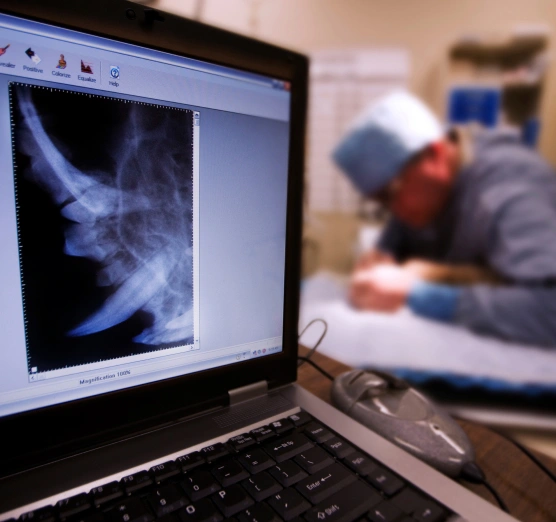
Digital imaging, also known as veterinary digital radiology, or pet X-ray, has revolutionized the way veterinarians diagnose and treat their patients. Traditional film radiography has been replaced by digital imaging, which offers numerous benefits for both veterinarians and their patients.
First and foremost, digital imaging is much faster than traditional film radiography. This means that veterinarians can diagnose and treat their patients more efficiently, leading to better outcomes. Additionally, digital images can be easily shared and stored, making it easier for veterinarians to collaborate with other specialists and keep track of their patients' medical history.
Digital imaging also reduces the amount of radiation exposure for both animals and veterinary staff. This is because digital images require less radiation to produce high-quality images compared to traditional film radiography. This is especially important for animals that require frequent imaging, such as those with chronic conditions or those undergoing treatment for cancer.
How Digital Imaging Works
The process begins with the animal being positioned on a table or stand, similar to traditional radiography. The digital sensor is then placed under or behind the animal, and an x-ray beam is directed towards the area of interest. The x-rays pass through the animal's body and are absorbed at different rates by different tissues, creating an image on the digital sensor.
What Can Veterinary Digital Radiography Diagnose?
Veterinary digital radiography can be used to diagnose a wide range of conditions and diseases in animals. Some of the most common uses include:
Fractures and Bone Abnormalities
Digital radiography is an excellent tool for diagnosing fractures and other bone abnormalities in animals. The images produced can show the location and severity of the fracture, as well as any other underlying bone conditions that may be present.
Soft Tissue Injuries
Soft tissue injuries, such as muscle tears or ligament damage, can also be diagnosed using digital radiography. The images can show the extent of the injury and help veterinarians determine the best course of treatment.
Tumors and Masses
Digital radiography can also be used to detect tumors and masses in animals. These images can help veterinarians determine the size, location, and type of tumor, which is crucial in developing a treatment plan.
Foreign Objects
Ingested foreign objects, such as toys or bones, can be detected using digital radiography. These images can show the location of the object and help veterinarians determine the best course of action for removal.
Pet Ultrasound
A veterinary pet ultrasound is a medical imaging technique that uses high-frequency sound waves to produce images of the internal structures of an animal's body. These images are created by sending sound waves into the body and measuring the echoes that bounce back. The images produced by an ultrasound are real-time, allowing veterinarians to see the movement and function of organs and tissues.
Ultrasounds provide veterinarians with detailed images of the internal structures of an animal's body, allowing for more accurate diagnoses. This is especially useful in cases where X-rays may not provide enough information, such as soft tissue injuries or abdominal issues. With an ultrasound, veterinarians can see the size, shape, and function of organs, as well as detect any abnormalities or diseases.
Allergies & Dermatology
Just like humans, pets can suffer from allergies and skin conditions that can cause discomfort and affect their overall well-being. These conditions can also lead to secondary infections and other health issues if left untreated.
By seeking veterinary allergy and dermatology services, you can ensure that your pet receives the proper diagnosis through testing and treatment for their condition. This can help alleviate their symptoms, improve their quality of life, and prevent further health complications
Some of the most common ones include:
- Flea Allergy Dermatitis: This is a common skin condition in pets that is caused by an allergic reaction to flea bites. Pets with flea allergy dermatitis may experience intense itching, hair loss, and skin irritation.
- Food Allergies: Pets can also develop allergies to certain foods, just like humans. Common symptoms of food allergies in pets include itchy skin, ear infections, and gastrointestinal issues.
- Atopic Dermatitis: This is a chronic skin condition that is caused by environmental allergens such as pollen, dust, and mold. Pets with atopic dermatitis may experience intense itching, redness, and skin infections.
- Contact Dermatitis: Pets can also develop skin allergies from contact with certain substances such as cleaning products, plants, or fabrics. Symptoms of contact dermatitis include redness, itching, and skin irritation.
If you suspect that your pet may be suffering from allergies or a skin condition, don't hesitate to contact us. Your pet will thank you for it!
Unable to locate Global Block : 69