Pet Exams, Vaccines, Microchipping & Solutions Today!
As pet owners, we want to ensure that our furry friends are healthy and happy. One of the best ways to do this is by scheduling regular wellness exams at Loving Care Animal Hospital. These exams are essential for maintaining your pet's health and detecting any potential issues early on.
Book Online

Pet Wellness Exams
Just like humans, pets need regular check-ups to maintain their health. These pet exams are crucial for detecting any underlying health issues that may not be apparent. By catching these issues early on, you can prevent them from developing into more severe problems that could be costly or even life-threatening.
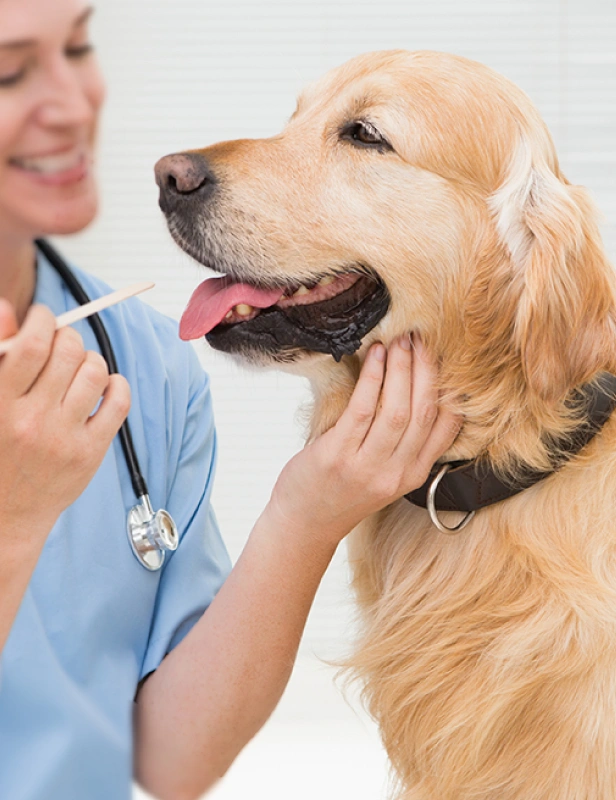
During a wellness exam, your veterinarian will perform a thorough physical examination of your pet. They will check your pet's eyes, ears, nose, mouth, skin, and coat for any abnormalities. They will also listen to your pet's heart and lungs and feel their abdomen for any lumps or irregularities.
These exams can help detect health issues such as dental disease, ear infections, skin conditions, and even cancer. By catching these issues early on, your veterinarian can provide treatment and prevent them from becoming more severe.
Regular wellness exams also allow your veterinarian to establish a baseline for your pet's health. This means that they can track any changes in your pet's health over time and catch any potential issues. This is especially important for senior pets, as they are more prone to developing health issues as they age.
To learn more about our Standards of Care for your new furry family member click here.
Pet Vaccinations
Pet vaccinations are essential for protecting your pet from potentially deadly diseases. Just like humans, pets can contract and spread diseases through contact with other animals or contaminated environments. Vaccinations work by introducing a small amount of a disease-causing agent into your pet's body, which triggers its immune system to produce antibodies to fight off the disease. This way, if your pet is ever exposed to the actual disease, their body will be prepared to fight it off.
Core Vaccinations
Core vaccinations are considered essential for all pets and are recommended by veterinarians. These include vaccinations for rabies, distemper, parvovirus, and adenovirus. These diseases are highly contagious and can be fatal for pets, so it's crucial to keep your pet up-to-date on these vaccinations.
When Should I Vaccinate My Pet?
The timing of your pet's vaccinations will depend on their age and the specific vaccinations they need. Puppies and kittens typically receive a series of vaccinations starting at 8 weeks of age and continuing every 3-4 weeks until they are 16 weeks old. After that, they will need booster shots every 1-3 years, depending on the vaccination. Adult pets may also need booster shots every 1-3 years, depending on their lifestyle and risk factors.
Parasite Control
Being proactive is the first step to prevention!
There was a time when parasites like fleas, ticks, and roundworms were considered mostly a nuisance. However, now we know that parasites can cause serious illness and even death in pets. For example, ticks can transmit infections like Lyme disease, and fleas can transmit tapeworms and Bartonella - the bacteria that causes "cat-scratch fever" in humans. Another type of parasite, called a heartworm, is transmitted by mosquitoes. Heartworms live in your pet’s lungs and heart, causing damage to these organs, and sometimes even death. Intestinal parasites, like roundworms and hookworms, also threaten pets and are even transmissible to humans.
You may not always be able to tell if your pet has parasites. Fleas can hide under your pet’s fur, and some ticks are very tiny (only the size of a pinhead), so they are very difficult to find. Intestinal parasites like roundworms can cause diarrhea and other problems, but many infected pets don’t show any signs of illness at all.
Fortunately, we have tests to tell if your pet has parasites. We can also examine your pet for evidence of fleas, ticks, or other parasites. Our expert staff can recommend medications, such as Frontline, to help control fleas and ticks and Heartgard to prevent heartworms & intestinal parasites. Preventing parasites in your pets also helps protect children and other family members, so let’s work together to keep everyone safe.
To purchase preventative parasite control medications and products, please visit our online pet store!
Microchipping
Microchipping Your Pets Is A Proactive Idea!
Each year, thousands of pets go missing, and many don’t make it back home. Some pets (especially indoor pets) don’t wear collars or tags. Even if your pet wears a collar and identification tag, collars can break off and tags can become damaged and unreadable, so these forms of identification may not be enough to ensure your pet’s safe return. Your pet needs a form of identification that is reliable and can’t get lost, stolen, or damaged. A microchip is a safe, simple form of identification that can significantly increase the chance that your pet will return safely.
A microchip is about the size and shape of a grain of rice and is placed underneath your pet's skin between the shoulder blades. Microchip implantation takes only a few minutes and is very safe. Each microchip is unique and carries vital information about your pet - including your name, address, and contact information.
When a microchip is implanted, the pet owner is given a registration form to complete. Registering the number on the microchip includes your pet in a national pet recovery database. Veterinary hospitals, animal shelters, and animal control offices across the country are equipped with special electronic scanners that can detect the microchip and read the identification number.
If a lost pet is picked up by animal control or found by a good samaritan and presented to a veterinarian, a quick scan of the microchip reveals the identification number. A toll-free phone call to the pet recovery database alerts the microchip company that a lost pet has been identified, and the pet owner can then be contacted and reunited with his or her pet!
Young puppies and kittens can receive microchips, but even if your pet is already an adult, you should consider microchipping. Even indoor pets can get outside accidentally and get lost, so if you’re relying on other forms of identification, you could be placing your pet at risk. Microchipping is a safe, effective way to help ensure your pet’s return if the unthinkable happens.
Nutrition & Weight Management
Just like humans, pets can struggle with weight management. Obesity in pets can lead to a variety of health issues, including joint problems, heart disease, and diabetes. That's why we offer weight management programs at Loving Care Animal Hospital.
Our veterinarians will work with you to create a personalized weight loss plan for your pet, including a balanced diet and exercise regimen. We will also monitor your pet's progress and make any necessary adjustments to ensure they are on the right track to a healthy weight. Contact us today to schedule a consultation and learn more about how we can help your pet live a long and healthy life.
Unable to locate Global Block : 69