
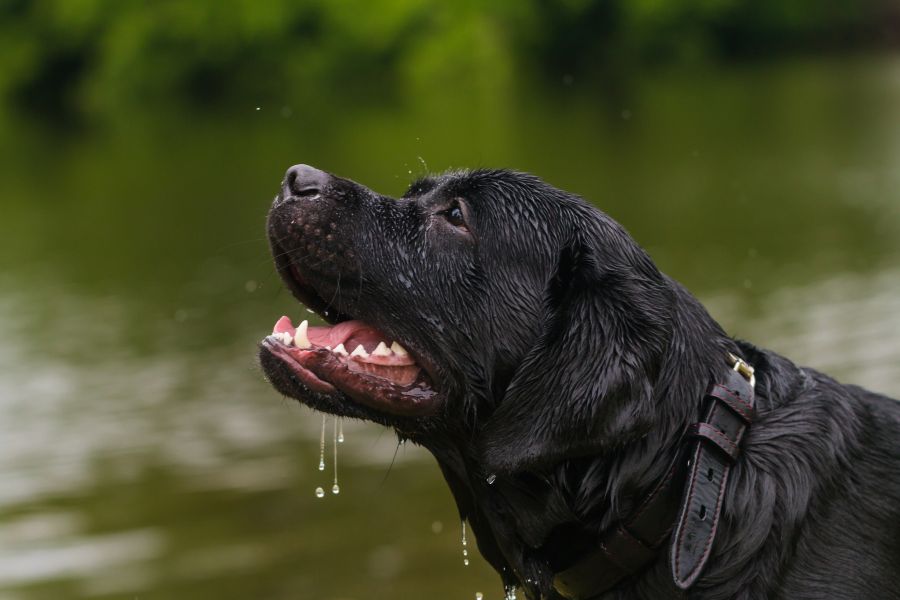
Excessive dog drooling can be alarming for pet owners, especially when it appears suddenly or becomes more frequent. While some drooling is completely normal, too much saliva may signal an underlying health issue that needs attention. In this guide, we’ll explore the common causes of dog drooling, when it becomes a concern, and practical solutions to help keep your dog comfortable and healthy.
What Is Normal Dog Drooling?
Before worrying about excessive dog drooling, it’s important to understand what’s considered normal. Many dogs naturally drool, especially certain breeds with loose lips like Mastiffs or Saint Bernards.
Normal drooling usually happens when:
- Your dog sees or smells food
- They are excited or anxious
- They are panting after exercise
- They are cooling down in warm weather
This type of drooling is typically mild and temporary. If your dog suddenly starts drooling more than usual, it may indicate something beyond normal behavior.
Common Causes of Dog Drooling
Excessive dog drooling can stem from several reasons, ranging from harmless triggers to serious medical conditions. Understanding these causes can help you take the right action.
1. Dental Problems
Dental disease is one of the most common causes of excessive drooling in dogs. Issues like gum infections, tooth decay, or broken teeth can lead to pain and increased saliva production.
Signs to watch for:
- Bad breath
- Difficulty eating
- Pawing at the mouth
- Swollen or bleeding gums
Regular dental checkups can help prevent these problems.
2. Heatstroke or Overheating
Dogs rely on panting and drooling to regulate body temperature. However, excessive drooling combined with heavy panting may signal heatstroke, which is a medical emergency.
Symptoms include:
- Thick, sticky saliva
- Lethargy
- Vomiting
- Red gums
If you notice these signs, move your dog to a cool area and contact a veterinarian immediately.
3. Nausea or Digestive Issues
Just like humans, dogs drool more when they feel nauseous. Motion sickness, dietary changes, or stomach upset can trigger excessive saliva.
Other symptoms may include:
- Lip licking
- Vomiting
- Loss of appetite
- Restlessness
Keeping your dog on a consistent diet and avoiding sudden food changes can help reduce drooling related to digestive issues.
4. Foreign Objects in the Mouth
Dogs often explore the world with their mouths, which can lead to objects getting stuck in their teeth or gums.
Common culprits include:
- Sticks or bones
- Small toys
- Grass or debris
If your dog is drooling excessively and pawing at their mouth, check carefully or visit your vet for a safe examination.
5. Toxins or Poisoning
Exposure to toxic substances can cause sudden, severe drooling in dogs. This is a serious condition that requires immediate attention.
Possible toxins include:
- Household cleaners
- Certain plants
- Chocolate or xylitol
- Medications
Symptoms often include drooling, vomiting, tremors, or seizures. Seek emergency care right away if poisoning is suspected.
6. Anxiety or Stress
Emotional triggers can also lead to excessive drooling. Dogs may drool when they feel anxious, especially during:
- Car rides
- Vet visits
- Loud noises like thunderstorms
In these cases, drooling is usually temporary and stops once the stressor is removed.
7. Oral Infections or Growths
Infections, tumors, or cysts in the mouth or throat can interfere with swallowing and increase drooling.
Warning signs include:
- Blood-tinged saliva
- Difficulty swallowing
- Visible lumps
- Weight loss
Early diagnosis is crucial for effective treatment.
When Should You Be Concerned About Dog Drooling?
Not all dog drooling is dangerous, but certain signs indicate it’s time to call your veterinarian.
Watch for:
- Sudden increase in drooling
- Thick or foamy saliva
- Foul odor from the mouth
- Drooling with vomiting or diarrhea
- Behavioral changes such as lethargy
- Difficulty breathing or swallowing
If your dog shows any of these symptoms, a professional evaluation is important.
How to Reduce Excessive Dog Drooling
Managing dog drooling depends on identifying and treating the underlying cause. Here are some practical steps you can take:
Maintain Good Oral Hygiene
- Brush your dog’s teeth regularly
- Provide dental chews
- Schedule professional cleanings
Keep Your Dog Cool
- Provide fresh water at all times
- Avoid outdoor activity during peak heat
- Use cooling mats or shaded areas
Monitor Diet and Eating Habits
- Feed high-quality, consistent meals
- Avoid sudden food changes
- Watch for food sensitivities
Reduce Stress
- Create a calm environment
- Use anxiety-reducing tools like calming treats or toys
- Gradually desensitize your dog to stressful situations
Regular Veterinary Checkups
Routine exams help catch early signs of illness before they become serious problems.
Preventing Future Drooling Issues
Prevention plays a key role in managing long-term dog drooling. Simple habits can make a big difference:
- Schedule annual wellness exams
- Keep harmful substances out of reach
- Provide safe chew toys
- Stay consistent with grooming and dental care
- Monitor any changes in behavior or appetite
By staying proactive, you can help your dog stay comfortable and healthy.
Occasional drooling is normal, but excessive dog drooling can sometimes signal an underlying issue that needs attention. From dental problems to heatstroke or stress, understanding the cause is the first step toward effective treatment. If you notice unusual symptoms or persistent drooling, don’t wait to seek professional care and get the necessary preventive care for your pet.
For expert diagnosis and compassionate care, contact Loving Care Animal Hospital in Palatine, IL, and schedule a checkup to ensure your dog stays happy and healthy.
FAQs
Q1: Why is my dog suddenly drooling so much?
Ans: Sudden dog drooling can be caused by dental issues, nausea, toxins, or something stuck in the mouth, and should be checked by a vet if it persists.
Q2: Is dog drooling a sign of illness?
Ans: Sometimes, yes. Excessive drooling may indicate dental disease, heatstroke, poisoning, or infections.
Q3: How can I stop my dog from drooling excessively?
Ans: Treatment depends on the cause, but good dental care, a balanced diet, and regular vet visits can help reduce drooling.
Q4: Do certain dog breeds drool more than others?
Ans: Yes, breeds like Saint Bernards and Mastiffs naturally drool more due to their facial structure.
Q5: When should I take my dog to the vet for drooling?
Ans: If drooling is sudden, excessive, or paired with symptoms like vomiting, lethargy, or bad breath, seek veterinary care promptly.
Unable to locate Global Block : 69