
Water plays a critical role in keeping your pet’s body working properly. When a dog or cat loses more fluids than they take in, dehydration can develop quickly and affect important body functions. Knowing the signs of pet dehydration can help you decide when your pet needs urgent veterinary attention. Mild dehydration may improve with proper care, but severe dehydration can become dangerous without treatment. At Loving Care Animal Hospital in Palatine, IL, pet owners often ask how to tell if their dog or cat is dehydrated and when a situation requires immediate care. This guide explains common causes, warning signs, treatment options, and what you can do if your pet is losing fluids.
What Are the Signs of Pet Dehydration
Pet dehydration happens when a dog or cat loses too much fluid and cannot replace it quickly enough. Common signs include tiredness, dry gums, reduced skin elasticity, decreased appetite, and changes in normal behavior. This is because pets cannot tell us they are thirsty or feeling unwell; owners often need to notice small changes.
Common signs of dehydration include:
- Dry or sticky gums.
- Thick saliva.
- Low energy.
- Loss of appetite.
- Sunken-looking eyes.
- Reduced urination.
- Weakness.
- Excessive panting.
- Changes in normal behavior.
One simple observation many owners make is that their pet seems less interested in activities they usually enjoy. A normally playful dog may become quiet, while a cat may hide more than usual. Dehydration can range from mild to severe. A pet that simply drinks less on a warm day may have a different level of concern than a pet losing fluids because of vomiting, diarrhea, or illness. It is important to consider the reason behind the dehydration, not just the symptom itself.
What Causes Dehydration in Dogs and Cats
Many different situations can lead to pet dehydration. Some causes are temporary, while others may signal an underlying health problem.
Common causes include:
- Vomiting.
- Diarrhea.
- Heat exposure.
- Reduced water intake.
- Fever.
- Increased urination.
- Kidney problems.
- Diabetes.
- Other illnesses that affect fluid balance.
Dogs may become dehydrated after heavy exercise, especially in hot weather. Cats may be more difficult to monitor because they often hide signs of illness and may quietly reduce their food and water intake. Senior pets and pets with existing health concerns may have a higher risk of dehydration because their bodies may not adjust to fluid loss as easily. Pay attention to changes in your pet’s drinking habits. A sudden increase or decrease in water intake can be an important clue that something is wrong.
How Veterinarians Diagnose and Treat Pet Dehydration
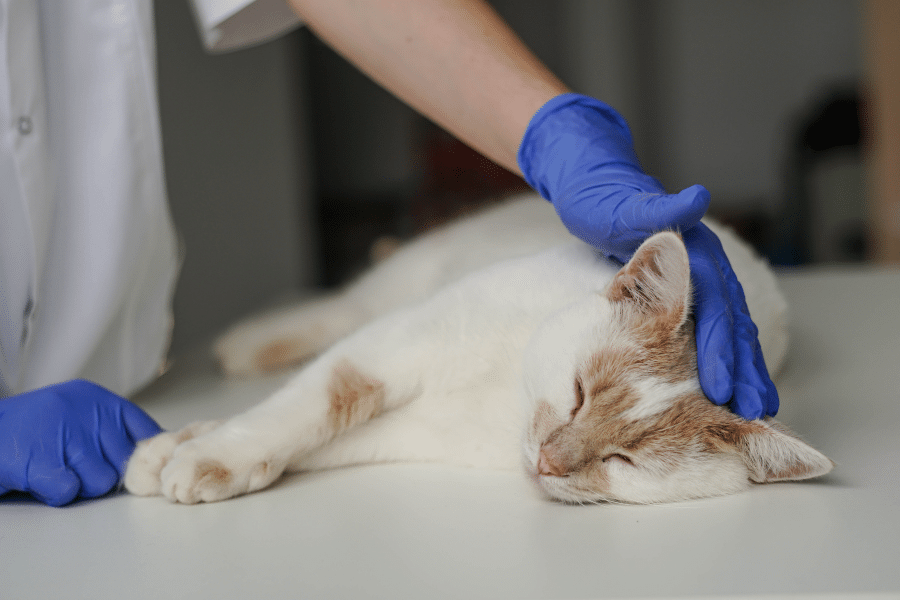
When a pet arrives with possible dehydration, a veterinarian first evaluates their overall condition and looks for signs of fluid loss.
The examination may include:
- Checking gum moisture.
- Evaluating skin elasticity.
- Measuring vital signs.
- Reviewing recent symptoms.
- Discussing eating, drinking, vomiting, or bathroom habits.
Additional testing may be recommended depending on the cause.
These diagnostic tests can include:
- Blood work.
- Urine testing.
- Imaging when needed.
Treatment depends on how dehydrated the pet is and what caused the problem. Some pets may improve with changes in water access and close monitoring, while others may need medical support such as fluid therapy.
A realistic example
Imagine Max, a six-year-old Labrador Retriever, spends a warm afternoon outside and later refuses dinner. His family notices he seems tired, his gums feel dry, and he is not drinking as much as usual. They bring him to the veterinary hospital, where the team evaluates him for dehydration and determines that he needs supportive fluid care. After treatment and monitoring, Max becomes more alert and returns home with instructions for continued observation. Although this is a hypothetical example, it reflects the type of dehydration concerns veterinary teams commonly evaluate.
Why Dehydration Can Become an Emergency
Mild dehydration may seem like a small issue, but losing too much fluid can affect the entire body.
Water helps support:
- Normal circulation.
- Temperature control.
- Organ function.
- Digestion.
- Energy levels.
When dehydration becomes severe, pets may become weak, confused, or unable to recover without medical support.
Urgent care may be needed when dehydration is connected to:
- Frequent vomiting.
- Severe diarrhea.
- Heat-related illness.
- Sudden weakness.
- Refusing water.
- Other serious symptoms.
The sooner the cause is identified, the sooner your pet can receive appropriate care.
What Pet Owners Can Do at Home
If you suspect your pet is dehydrated, there are a few steps you can take while deciding whether veterinary care is needed. The most important thing is to pay attention to changes in your pet’s behavior and overall condition.
Start by checking:
- Whether your pet is drinking water.
- How much your pet has been eating.
- Whether vomiting or diarrhea has occurred.
- Whether your pet is urinating normally.
- Whether energy levels have changed.
You can help support your pet by:
- Keeping fresh, clean water available.
- Moving water bowls to areas your pet visits often.
- Providing a comfortable, cool environment.
- Monitoring bathroom habits.
- Watching for worsening symptoms.
If your pet is refusing water or continues losing fluids, do not wait too long to seek advice.
Avoid forcing large amounts of water into your pet’s mouth, as this can create additional problems. Do not give electrolyte products or human hydration drinks unless your veterinarian recommends them. It is also important to remember that dehydration is often a symptom of another issue. A pet may become dehydrated because of vomiting, diarrhea, illness, or another medical concern that needs attention.
When to Seek Urgent Veterinary Care
Some cases of pet dehydration require prompt veterinary evaluation. Waiting too long can allow fluid loss to become more severe and make recovery more difficult.
Seek urgent care if your pet:
- Has repeated vomiting.
- Has ongoing diarrhea.
- Refuses to drink water.
- Becomes extremely tired or weak.
- Has dry or sticky gums.
- Shows signs of confusion.
- Collapses.
- Has difficulty standing or walking.
- Was exposed to extreme heat.
- Has signs of another serious illness.
You should also contact your veterinarian if you notice dehydration in a young puppy, kitten, senior pet, or animal with an existing health condition. These pets may have a harder time recovering from fluid loss. Veterinary care focuses on identifying why dehydration happened and restoring your pet’s fluid balance safely. Treating the underlying cause is just as important as correcting the dehydration itself. Early attention can help prevent a mild problem from becoming a more serious emergency.
Conclusion
Recognizing the signs of pet dehydration can help you protect your dog or cat when something does not seem right. Changes like dry gums, low energy, reduced drinking, vomiting, or diarrhea should never be ignored, especially when they happen together. While some mild cases may improve with careful monitoring and access to water, pets with ongoing fluid loss or worsening symptoms need veterinary attention. At Loving Care Animal Hospital in Palatine, IL, we understand how stressful it can be when your pet suddenly seems sick or different from normal. If your pet shows signs of dehydration or you are concerned about fluid loss, call us at 847-963-8887 or schedule an appointment to seek veterinary care.
FAQs
Q1: How can I tell if my dog or cat is dehydrated?
A: Common signs of dehydration include dry gums, thick saliva, low energy, reduced appetite, sunken-looking eyes, and changes in drinking or urination habits. If you notice these signs, monitor your pet closely and contact your veterinarian if symptoms continue.
Q2: What causes dehydration in pets?
A: Dehydration can happen because of vomiting, diarrhea, heat exposure, reduced water intake, increased urination, or underlying health problems. Finding the cause is important because dehydration is often a sign of another issue.
Q3: Can I treat pet dehydration at home?
A: Mild dehydration may improve with access to fresh water and close monitoring, but pets with ongoing fluid loss or concerning symptoms need veterinary evaluation. Do not give human hydration products unless your veterinarian recommends them.
Q4: When is dehydration an emergency for pets?
A: Dehydration is more urgent when your pet refuses water, has repeated vomiting or diarrhea, becomes weak, collapses, or shows other serious symptoms. Young, senior, and medically fragile pets may need faster evaluation.
Q5: How do veterinarians treat dehydrated pets?
A: Veterinarians first determine why dehydration occurred and assess how severe it is. Treatment may include fluid support, monitoring, and care focused on the underlying cause of fluid loss.
Unable to locate Global Block : 69