Exotic Pet Care
Expert Care for Your Exotic Pets
Exotic pets, such as reptiles, birds, and small mammals, have become increasingly popular in recent years. However, finding proper veterinary care for these unique animals can be a challenge. That's where Loving Care Animal Hospital comes in. We have veterinarians on our team who specialize in exotic pet care and are dedicated. Questions on how to care for your exotic pet? Contact us to schedule your visit today!
Book Online

Exotics We Treat
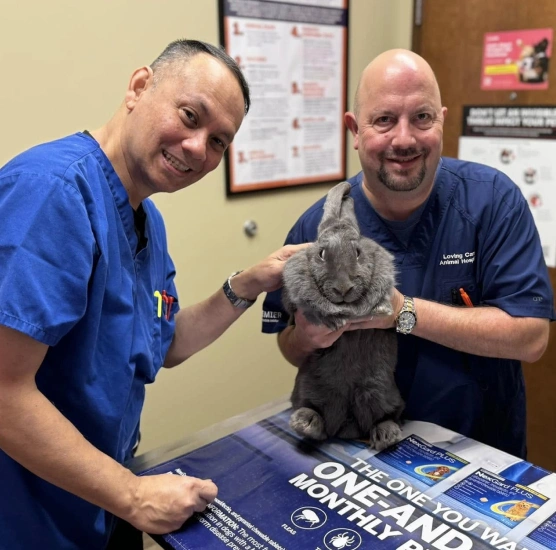
At Loving Care Animal Hospital, we can see and treat small mamals including rabbits, guinea pigs, and ferrets, reptiles including snakes, iguanas, and turtles, and birds.
Proper Diet & Nutrition
Small Mammals, Rabbits, Ferrets, & Guinea Pigs:
Small mammals have different dietary needs, so it is important to research and understand what your specific pet requires.
Rabbits are herbivores and require a diet high in hay and fresh vegetables. They should also have access to fresh water at all times. It is important to avoid feeding rabbits foods that are high in sugar or carbohydrates, as this can lead to health issues.
Ferrets are carnivores and require a diet high in protein from meat sources. It is important to avoid feeding them fruits, vegetables, or grains, as these can upset their digestive system.
Guinea pigs need a diet high in hay and fresh vegetables. They should also have access to fresh water at all times. It is important to avoid feeding them foods that are high in sugar or carbohydrates, as this can lead to health issues.
It is important to provide your small mammal with a balanced and nutritious diet to ensure their health and well-being. This may include a combination of commercial pellets, fresh vegetables, and occasional treats. It is also important to provide fresh water at all times.
Reptiles:
Feeding your reptile the right diet is crucial for their health and well-being. Different species of reptiles have different dietary needs, so it is important to research and understand your specific pet's needs. In general, most reptiles are carnivorous and require a diet of live or frozen prey, such as insects, rodents, or fish.
It is important to provide a varied diet for your reptile to ensure that they are getting all the necessary nutrients. You can also supplement their diet with vitamins and minerals to ensure they are getting everything they need. It is important to note that some reptiles, such as turtles, may also require plant matter in their diet.
Birds:
A balanced diet for birds should consist of a variety of fresh fruits and vegetables, as well as a high-quality pellet or seed mix. It is important to research the specific dietary needs of your bird species, as different types of birds may have different nutritional requirements. Additionally, it is important to avoid feeding your bird any foods that may be toxic to them, such as chocolate, avocado, and caffeine.
Housing & Environment
Small Mammals, Rabbits, Ferrets, & Guinea Pigs:
When it comes to housing for small mammals, there are a few options to consider. The most common options include cages, hutches, and playpens.
Cages are typically used for smaller animals, such as guinea pigs and ferrets. They provide a safe and secure space for your pet to live in, and can be easily cleaned and maintained.
Hutches are typically used for larger animals, such as rabbits. They provide more space for your pet to move around and can be placed outdoors.
Playpens are a great option for small mammals that need more space to exercise and play. They can be set up indoors or outdoors and provide a safe and secure space for your pet to roam around in.
Rabbits should have a large and spacious hutch or playpen to live in. They also need plenty of toys and objects to chew on to keep their teeth healthy.
Ferrets should have a large and spacious cage with multiple levels for them to climb and play on. It is important to provide them with plenty of toys and objects to keep them entertained.
Guinea pigs should have a large and spacious cage with plenty of room to move around and exercise. It is important to provide them with toys and objects to keep them entertained and prevent boredom.
Reptiles:
The type of enclosure you provide for your reptile is crucial for their health and well-being. The size, temperature, and lighting of the enclosure are all important factors to consider.
Reptiles need enough space to move around and exercise in their enclosure. The size of the enclosure will depend on the size and species of your reptile. It is important to research the specific needs of your pet to ensure they have enough space to thrive.
Reptiles are cold-blooded animals, which means they rely on external sources of heat to regulate their body temperature. It is important to provide a temperature gradient in their enclosure, with a warm side and a cool side. This allows them to move to the area that best suits their needs.
You can achieve this by using heat lamps, heat mats, or ceramic heat emitters. It is important to monitor the temperature regularly to ensure it stays within the appropriate range for your specific reptile.
Reptiles also require specific lighting to thrive. In addition to providing heat, UVB lighting is essential for reptiles as it helps them produce vitamin D3, which is necessary for calcium absorption. Without proper UVB lighting, reptiles can develop metabolic bone disease, which can be fatal.
Birds:
The housing for your avian pet should provide enough space for them to move around and stretch their wings. A cage that is too small can lead to health issues and behavioral problems. It is recommended to have a cage that is at least twice the size of your bird's wingspan. The cage should also have perches of varying sizes and textures to promote foot health and exercise. Additionally, it is important to regularly clean and disinfect the cage to prevent the spread of bacteria and disease.
Socialization & Enrichment
Exotic pets, just like any other pet, need socialization and mental stimulation to thrive. This can include interacting with their owners, playing with toys, and exploring their environment. Some exotic pets, such as ferrets and rabbits, can also benefit from having a companion of the same species. It is important to provide your pet with plenty of opportunities for socialization and enrichment to keep them happy and healthy.
Small Mammals, Rabbits, Ferrets, & Guinea Pigs:
Rabbits are social animals and should not be kept alone. It is recommended to have at least two rabbits living together, as long as they are properly introduced and get along well.
Ferrets are highly social animals and should be kept in pairs or groups. They also require a lot of attention and playtime with their owners.
Guinea pigs are social animals and should be kept in pairs or groups. They also require a lot of attention and playtime with their owners.
Reptiles:
Many people believe that reptiles are solitary creatures that do not require socialization. However, this is not entirely true. While some reptiles may prefer to be left alone, others can benefit from socialization with their owners.
Handling your reptile regularly can help them become more comfortable with human interaction and can also help you monitor their health. It is important to handle your reptile gently and with care, as they can become stressed or injured if handled improperly.
Birds:
Avian pets are social creatures and require regular interaction and stimulation. It is important to spend time with your bird every day, whether it is through talking, playing, or training. This will not only strengthen the bond between you and your pet, but it will also prevent boredom and behavioral issues. It is also recommended to provide your bird with toys and activities to keep them mentally and physically stimulated.
Regular Check-ups
Regular check-ups with your veterinarian are crucial for the health of your exotic pet. These visits allow your veterinarian to monitor your pet's health and catch any potential issues early on. They can also provide you with valuable information and tips for caring for your pet at home.
Tips for Proper Pet Care
Here are some general tips for proper exotic pet care:
- Always provide fresh water and a balanced diet for your pet.
- Clean and maintain their living space regularly to prevent health issues.
- Provide plenty of toys and objects for your pet to play with and chew on.
- Spend time with your pet daily to provide socialization and mental stimulation.
- Take your pet to the vet regularly for check-ups and vaccinations.
Unable to locate Global Block : 69