

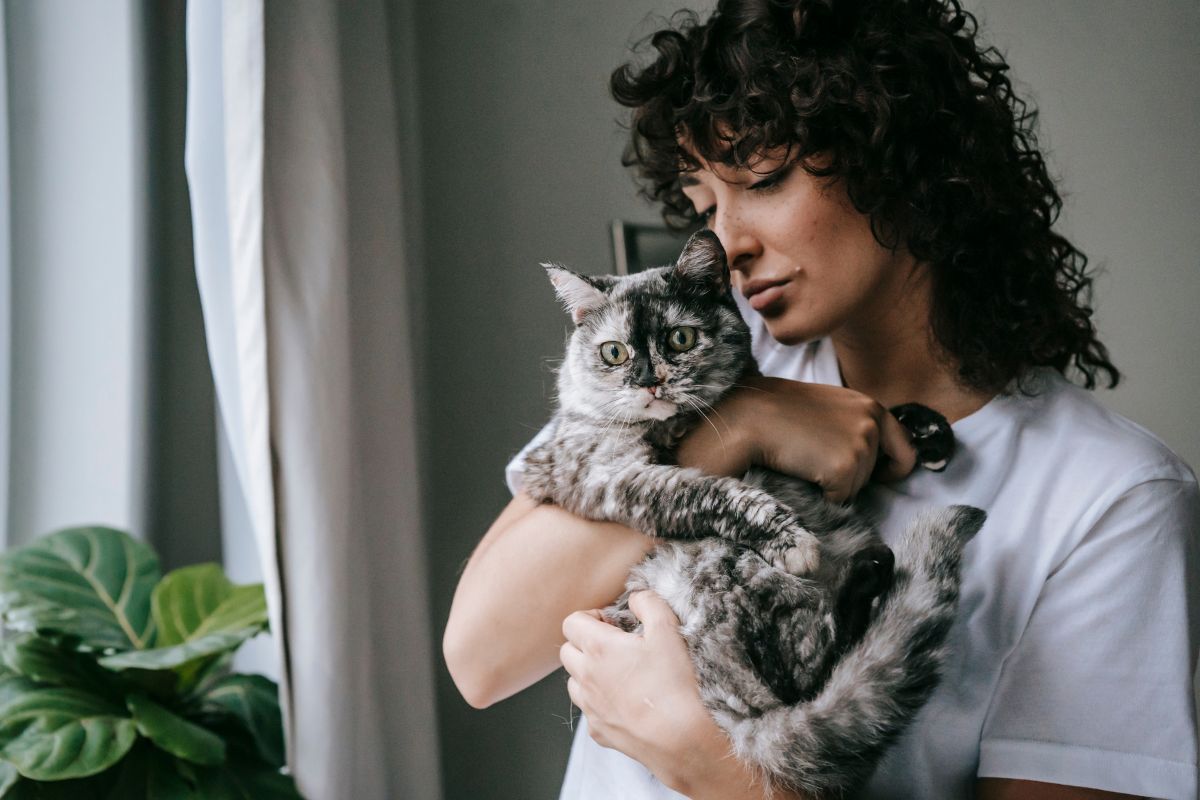
The prospect of your beloved pet undergoing surgery can be a profoundly unsettling experience. Our furry companions, who bring us immeasurable joy and comfort, rely on us for their well-being, especially during times of vulnerability. A thorough and meticulous approach to pre-operative preparation is paramount to navigating this challenging period with confidence and compassion. This guide will equip you with the knowledge and tools to ensure your cherished pet’s smooth, safe, and successful surgical experience.
Understanding the Importance of Comprehensive Preparation
Adequate preparation for pet surgery goes beyond simply following basic instructions. It involves a holistic approach that addresses your pet’s physical needs and emotional well-being. By understanding the intricacies of the surgical process and taking proactive steps to minimize stress, you can create a more positive and comfortable experience for your furry friend.
1. The Foundation: A Detailed Pre-Operative Consultation
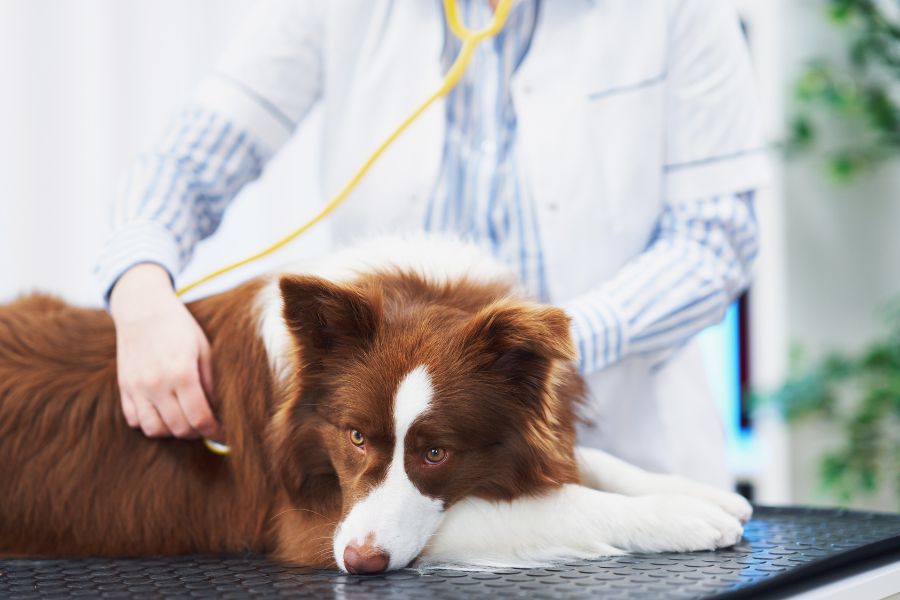
The cornerstone of a successful surgery lies in a comprehensive pre-operative consultation. Your veterinarian will conduct a meticulous physical examination, delving into your pet’s medical history and performing essential diagnostic tests. This includes bloodwork, which provides valuable insights into your pet’s organ function and overall health and may consist of radiographs or ultrasounds. This thorough assessment enables your veterinarian to identify potential risks, tailor the anesthesia protocol, and customize the surgical approach to your pet’s unique needs. This consultation also allows you to engage in a meaningful dialogue with your veterinarian. Ask detailed questions about the procedure, the expected duration, potential complications, and post-operative care. Understanding the intricacies of the surgery will empower you to make informed decisions and alleviate anxiety.
2. The Importance of Precise Fasting Instructions
Adhering to your veterinarian’s fasting instructions is crucial for your pet’s safety. Anesthesia can induce nausea and vomiting, and a full stomach significantly increases the risk of aspiration pneumonia, a potentially life-threatening complication. Your veterinarian will provide specific instructions regarding food and water restrictions, typically involving withholding food for a specified period before surgery. Ensure your pet has access to fresh water until the designated time, and strictly adhere to the guidelines.
3. Cultivating a Tranquil Pre-Operative Environment
The night before surgery, create a serene and calming environment for your pet. Minimize stress by avoiding boisterous activities, loud noises, or unfamiliar surroundings. A quiet, comfortable space where your pet can relax and unwind will help them approach the surgery calmly. A gentle, short walk can also help expend pent-up energy and promote relaxation. Consider using calming pheromone diffusers or sprays, which can help reduce anxiety in some pets.
4. Meticulous Preparation for Post-Operative Care
Anticipate your pet’s needs after surgery by meticulously preparing for their post-operative care. Gather all necessary supplies, including prescribed medications, bandages, antiseptic solutions, and any other items your veterinarian recommends. Create a comfortable recovery area—a quiet, confined space away from household traffic and other pets. If your pet requires a cone or e-collar, have it readily available. Plan for appropriate pain management. If you anticipate needing assistance with post-operative care, arrange for help beforehand, especially if your pet requires frequent medication or wound care.
5. Safe and Secure Transportation to the Clinic
Transport your pet to the veterinary clinic in a secure carrier or on a leash. This ensures their safety and prevents any unexpected escapes. Arrive punctually to minimize stress for both you and your pet. Allow ample time for any last-minute questions or concerns.
6. Maintaining Open and Transparent Communication
Maintaining open and transparent communication with your veterinarian throughout the pre-operative and post-operative periods. Report any changes in your pet’s behavior, appetite, or elimination habits. Your veterinarian is your partner in this journey; their expertise is invaluable.
Conclusion
Preparing your beloved pet for surgery is an act of profound love and care. By taking a comprehensive and meticulous approach, you’re ensuring their physical well-being and providing them with the emotional support they need during a vulnerable time. Your dedication, patience, and unwavering love will make a difference in their recovery. Remember, your pet trusts you implicitly, and your efforts will be rewarded with their unwavering affection and gratitude.

Unable to locate Global Block : 69