

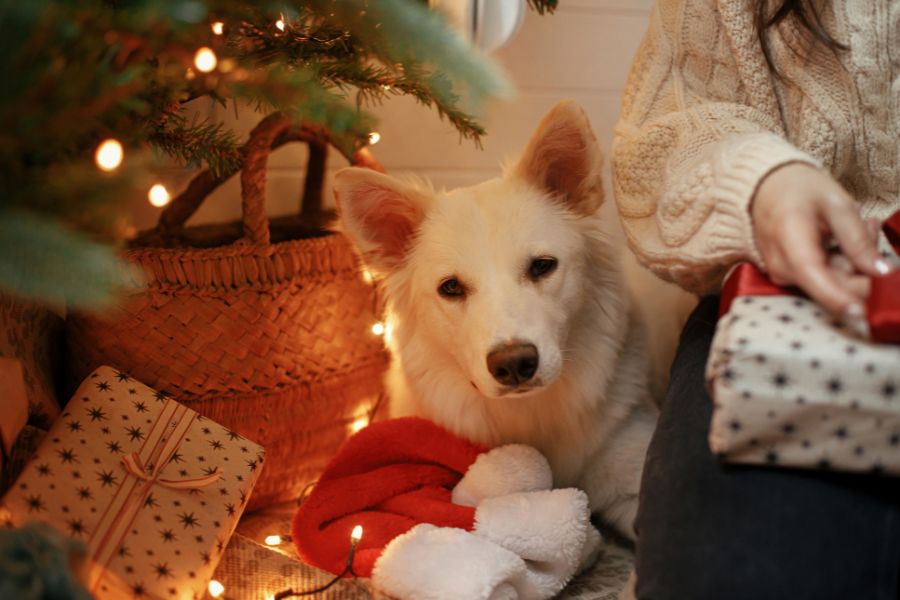
Christmas celebrations are often filled with joy, lights, and gatherings. However, fireworks and loud noises are also commonly included, and for pets, these sounds can be overwhelming. Fear, anxiety, and stress are frequently triggered by sudden bangs and flashing lights. Therefore, preparation is essential, and thoughtful steps should be taken to ensure comfort and pet safety throughout the holiday season.
In this guide, effective and humane methods will be shared to help pets remain calm during Christmas fireworks. With consistency and care, anxiety can be reduced, and a safer holiday experience can be created for every pet.
Why Fireworks Are Stressful for Pets
Fireworks are unpredictable, loud, and sudden. Unlike humans, pets are not able to understand the source of the noise. As a result, fireworks are often perceived as threats. Elevated heart rate, trembling, hiding, pacing, or destructive behavior may be observed. In some cases, escape attempts are made, which places pet safety at serious risk.
Therefore, understanding the cause of stress is the first step toward prevention.
Prepare a Safe and Quiet Space in Advance
Before fireworks begin, a designated safe area should be prepared inside the home. A quiet room away from windows is usually recommended. Curtains should be drawn to block flashes of light, and background noise such as soft music or television should be played. Consequently, external sounds may be muffled.
Familiar bedding, toys, and blankets should be placed in the area so comfort can be provided. This simple setup supports pet safety by reducing panic-driven reactions.
Keep Pets Indoors and Secure
During Christmas fireworks, pets should always be kept indoors. Doors, windows, and gates must be secured well in advance. Even pets that are usually calm may attempt to run away when startled. Therefore, extra precautions should be taken.
If outdoor access is unavoidable, leashes and secure enclosures should be used. Identification tags and microchips should also be checked beforehand, as they play a crucial role in pet safety during unexpected escapes.
Use Calming Tools and Techniques
Several calming aids can be introduced to reduce stress. Anxiety wraps, pheromone diffusers, and calming sprays are often recommended by professionals. These tools are designed to create a sense of security and familiarity.
Moreover, natural calming supplements may be considered, but guidance from a veterinary professional should always be followed.
Maintain a Calm and Reassuring Presence
Pets often mirror human emotions. Therefore, calm behavior should be maintained by pet owners. Sudden reassurance or excessive comforting may unintentionally reinforce fear. Instead, a relaxed and normal routine should be followed as much as possible.
Gentle reassurance can be offered when pets seek comfort, but panic should not be encouraged. In this way, emotional balance can be supported, and pet safety can be preserved.
Adjust Feeding and Exercise Schedules
Earlier exercise sessions should be scheduled on days when fireworks are expected. A well-exercised pet is more likely to rest during loud events. Feeding should also be completed earlier in the evening, as digestion may be disrupted during periods of stress.
Additionally, access to fresh water should always be ensured. These small adjustments are often overlooked, yet they contribute significantly to overall pet safety and well-being.
Desensitization and Training Before the Holidays
If preparation is started weeks in advance, desensitization techniques can be helpful. Recorded firework sounds can be played at low volumes and gradually increased over time. During these sessions, positive reinforcement should be provided.
As a result, tolerance may be improved, and fear responses can be reduced. While not every pet responds fully, long-term pet safety benefits are often achieved through consistent training.
Avoid Punishment or Forced Exposure
Punishment should never be used when pets display fear-related behavior. Anxiety is not a behavioral flaw but a natural response. Likewise, pets should not be forced to watch fireworks or be placed in noisy environments.
Instead, compassion and patience should be prioritized. By respecting emotional limits, trust is maintained, and pet safety is not compromised.
When Professional Help Is Needed
If severe anxiety is observed, professional help should be sought. Signs such as self-injury, extreme panic, or prolonged distress indicate that additional support is required. Veterinary professionals can recommend behavior plans or medications when appropriate.
Early intervention is encouraged, as unmanaged anxiety can worsen over time and threaten long-term pet safety.
Christmas fireworks don’t have to be traumatic for pets. With thoughtful planning, understanding, and calm guidance, stress can be minimized. If your pet shows anxiety or discomfort during fireworks, contact us to discuss personalized strategies that support their comfort and well-being during the holiday season.
By focusing on comfort, prevention, and pet safety, a peaceful and joyful holiday can be shared with every member of the family—two-legged and four-legged alike.
Frequently Asked Questions(FAQs):
1. Why are pets afraid of fireworks?
A: Fireworks are loud, sudden, and unpredictable. These factors trigger a fear response because pets cannot understand the source of the noise.
2. Should pets be sedated during fireworks?
A: Sedation should only be considered under veterinary guidance. Safer calming alternatives are usually recommended first to protect pet safety.
3. Can music really help calm pets during fireworks?
A: Yes, soft background noise can help mask firework sounds and reduce anxiety when used consistently.
4. Is it safe to take pets outside to watch fireworks?
A: No, pets should be kept indoors during fireworks. Outdoor exposure increases the risk of escape and injury.
5. When should preparation for fireworks anxiety begin?
A: Preparation should ideally begin weeks in advance, especially if desensitization training is planned. Early steps greatly improve pet safety.


Unable to locate Global Block : 69