

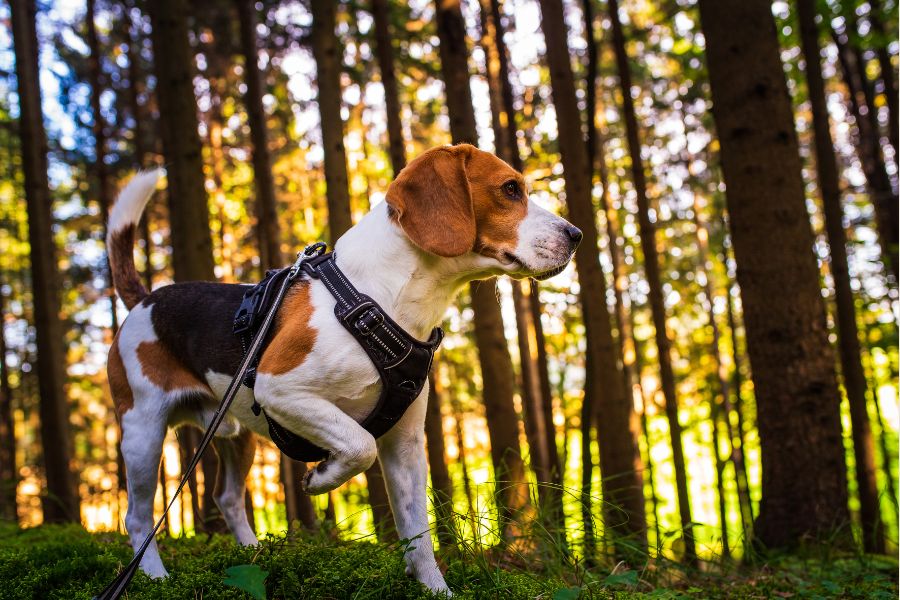
The American English Coonhound is built for motion, purpose, and long days outdoors. This breed thrives when its body and mind are used in the right way. Exercise is not optional; it is a daily need that shapes behavior, health, and quality of life.
Owners who understand this early tend to enjoy calmer homes, stronger bonds, and fewer stress habits. This guide explains what proper movement looks like, how much is needed, and how to make exercise safe and rewarding at every stage of life.
Understanding the Breed’s Natural Drive
Coonhounds were bred to track scents for hours. That history still shows today. They have strong legs, deep chests, and sharp noses. A short walk around the block rarely meets their needs. When activity is skipped, restlessness often appears.
Chewing, digging, or loud barking can follow. These actions are not defiance; they are signals of unmet movement needs. Respecting the breed’s roots helps owners plan exercise that feels natural rather than forced.
Why Daily Exercise Matters
Regular movement supports joints, heart health, digestion, and steady weight. Mental balance also improves when energy has an outlet. Dogs that exercise well often sleep better and respond to training with more focus.
For this breed, exercise also reduces scent-driven frustration. Skipping days leads to built-up energy that spills out in ways owners do not want. Consistent routines prevent that cycle and keep the dog comfortable at home.
How Much Exercise Is Enough
Most adult coonhounds need at least ninety minutes of activity each day. This time works best when split into two or three sessions.
A long morning walk paired with evening play works well. Younger adults may need more. Older dogs may need less time but still benefit from daily movement. The goal is steady effort, not exhaustion. Watch breathing, pace, and recovery to judge what feels right.
Best Types of Physical Activity
Structured walks are the base of any routine. These walks should be brisk and long enough to raise the heart rate. Jogging suits some dogs, though joint health should be checked first.
Off-leash running in fenced areas gives freedom but requires strong recall skills. Hiking adds mental challenge through new scents and terrain. Games like fetch help, but they should not replace long walks.
Mental Exercise Counts Too
A tired mind supports a calm body. Scent games work especially well for this breed. Hide treats in the yard or around the house and let the dog search.
Puzzle feeders slow eating and add focus. Basic training sessions also count as mental work. Ten minutes of learning can reduce stress as much as a short walk. Physical and mental exercise should support each other.
Age-Based Exercise Planning
Puppies need play, not forced distance. Their joints are still forming. Short walks, gentle play, and safe exploration work best. Adult dogs handle longer sessions and more challenges.
Seniors still need movement, but at a slower pace. Soft ground, shorter walks, and warm-up time protect aging joints. Adjusting exercise with age prevents injury and supports comfort.
Weather and Safety Concerns
Heat affects coonhounds quickly due to their build. Exercise should be scheduled early or late during warm months. Water must always be available.
Cold weather brings its own risks, including stiff joints. Warm-up walks help. Always check paw pads for cuts or ice. A leash is important in open areas, as strong scent instincts can override recall.
Common Exercise Mistakes to Avoid
Weekend-only exercise creates strain. Inconsistent routines confuse the dog. Relying only on yards without structured walks often fails. Overuse of intense running without rest can harm joints. Ignoring signs of fatigue leads to injury. Balance and routine matter more than extreme effort.
Building a Sustainable Routine
Consistency builds trust and calm behavior. Set a daily schedule that fits real life. Morning and evening sessions work for most homes. Mix walking, play, and scent work through the week. Track changes in mood, appetite, and sleep. These signs help fine-tune routines over time.
Meeting the exercise needs of the American English Coonhound takes planning, honesty, and daily effort. When movement is balanced and steady, this breed shows its best traits. Clear routines help owners notice health changes early.
Guidance from Veterinarians in Palatine can support safe plans, and ongoing wellness checks at Loving Care Animal Hospital help ensure exercise supports lifelong comfort and stability.
Frequently Asked Questions (FAQs):
1. How much daily activity does this breed need?
A: Most adults need ninety minutes of daily activity split into sessions. This includes walking, play, and scent work. Balanced routines prevent boredom and support heart and joint health long-term.
2. Are long runs safe for young dogs?
A: Puppies should avoid long runs. Their joints are still forming. Short walks and free play are safer until growth plates close, usually after twelve months of age.
3. Can yard time replace walks?
A: Yard time helps but does not replace walks. Structured walks provide mental input, scent exposure, and steady movement that yards alone usually cannot provide.
4. What mental activities work best?
A: Scent games, puzzle toys, and short training sessions work well. These tasks use instincts and help reduce stress and excess energy indoors.
5. How can exercise change behavior?
A: Proper exercise often reduces barking, chewing, and restlessness. Movement gives an outlet for energy, which supports focus, calmness, and better responses to training.
6. When should activity levels be reduced?
A: Exercise should be reduced during illness, injury, or extreme heat. Senior dogs may also need shorter sessions. Always watch for limping, heavy panting, or slow recovery.
Unable to locate Global Block : 69