
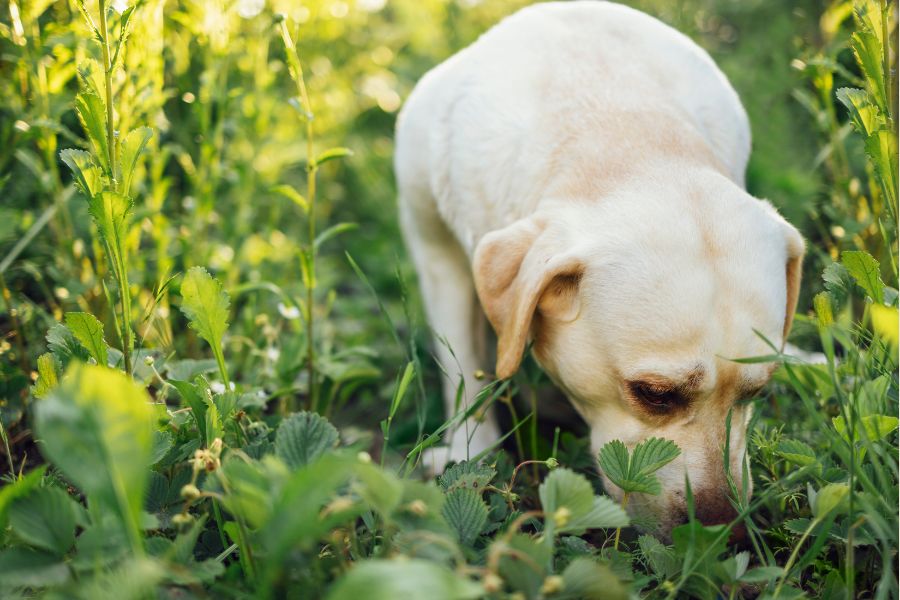
Dogs chewing on grass is a puzzling yet common behavior that often leaves pet owners wondering about the underlying reasons. Is it simply a quirky habit or a signal of something more serious, like a nutritional deficiency?
Understanding this behavior can help ensure your furry friend’s health and happiness. This blog delves into whether grass eating in dogs is a sign of nutritional deficiency, providing clear insights and practical advice.
When Grass Becomes a Craving: Understanding the Root Cause
Many dogs nibble on grass occasionally, but persistent grazing may be a sign of an unmet nutritional need. Grass contains fiber and various nutrients that some dogs instinctively seek when their diets lack certain vitamins or minerals.
For instance, deficiencies in iron, calcium, zinc, and some vitamins like B-complex and vitamin C are suspected contributors to this behavior. This tendency, known as pica, reflects a dog’s attempt to supplement its diet naturally.
More Fiber, Please: The Digestive Connection
Dogs with inadequate fiber in their diet often turn to grass as a source of roughage. Fiber helps regulate the digestive system by improving stool consistency and supporting gut motility. If your dog experiences constipation or irregular bowel movements, grass eating might be an adaptive behavior.
However, just adding grass isn’t always the best solution; a balanced diet enriched with dog-safe fruits and vegetables like pumpkin, carrots, and green beans can provide the necessary fiber without risks associated with grass consumption.
Is It a Stomach Soother or a Digestive Trick?
Many pet owners believe that dogs eat grass to induce vomiting when feeling unwell. Although this is a common theory, studies show that less than 10% of dogs eat grass due to illness, and only a fraction vomit afterward. Grass might help soothe an upset stomach by lowering the pH level and alleviating discomfort, but this behavior is not as widespread as assumed.
When Is It Time to Consult Your Vet?
If your dog’s grass eating becomes excessive or is accompanied by symptoms like vomiting, diarrhea, or lethargy, it’s essential to consult a veterinary clinic or your local vet. Persistent grass eating could indicate nutritional deficiencies or underlying medical conditions requiring professional diagnosis and treatment.
Natural Behavior or a Sign of Something More?
Some experts argue that grass eating is an inherited behavior from wild ancestors who consumed entire prey, including plant material inside the stomach. This instinct might persist even though domestic dogs no longer need to forage for nutrients this way. Alternatively, boredom, anxiety, or curiosity often drives dogs to nibble on grass without any health implications.
In conclusion, while grass eating can sometimes signal a nutritional deficiency in dogs, it is often a normal behavior linked to diet, instinct, or emotional needs. Monitoring your dog’s overall health and diet, alongside regular veterinary checkups, including visits to a trusted veterinary clinic in Palatine, IL, can help keep your pet healthy and happy. Always seek professional advice if the behavior suddenly changes or is accompanied by signs of illness.
FAQs( Frequently Asked Questions)
1. Does my dog eating grass mean something?
A: Dogs may eat grass out of instinct, for fiber, as a sign of nutritional deficiency, or simply boredom. It is often normal behavior but can sometimes indicate a dietary or health issue.
2. Should you allow your dog to eat grass if they want to?
A: Occasional grass eating is generally harmless, but ensure the grass hasn’t been treated with harmful pesticides or chemicals. If your dog eats grass frequently, consult your vet.
3. What nutrients might my dog be lacking if they eat grass?
A: Grass eating can be linked to deficiencies in fiber, iron, calcium, zinc, and certain vitamins like B-complex and C. A balanced diet typically prevents this craving.
4. Do dogs eat grass when they feel sick?
A: While some dogs eat grass to soothe an upset stomach, less than 10% show signs of illness before doing so, and fewer than 30% vomit afterward. Grass eating is not a reliable sign of sickness but monitor your dog’s overall health.



Unable to locate Global Block : 69