

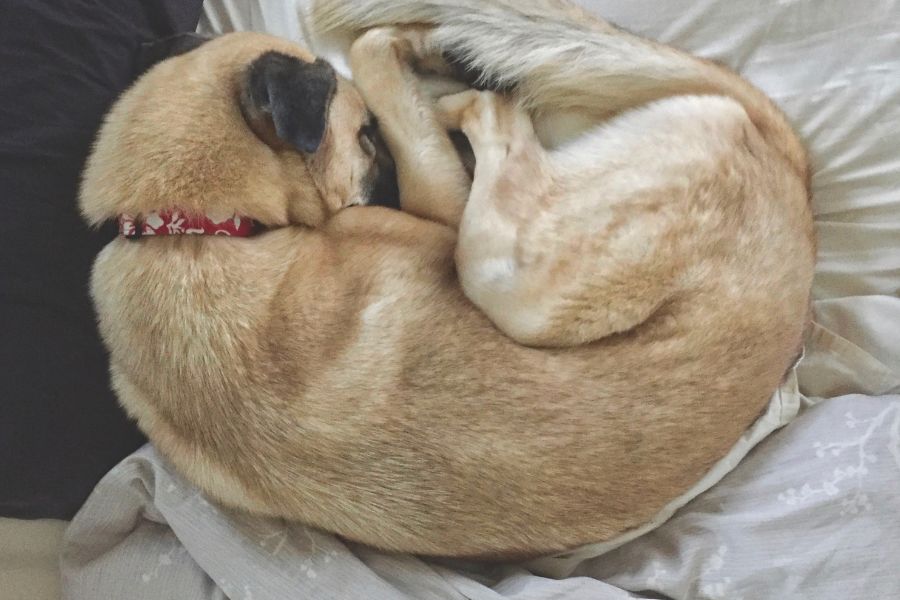
If you’ve ever watched your dog before bedtime, you may have noticed a peculiar ritual: circling, sometimes multiple times, before finally lying down. While this behavior might seem amusing or harmless, it raises an important question: is your dog’s circling just a quirky habit, or could it signal something more serious? In this article, we’ll explore the reasons behind this behavior and help you decide when to seek veterinary guidance.
Ancient Instincts in Modern Dogs
Dogs’ circling behavior before resting isn’t random. Experts suggest that this action traces back to wild ancestors. In the wild, canines would circle to pat down grass, leaves, or snow to create a safe, comfortable sleeping spot and to check the area for potential threats. Essentially, this spinning routine was a survival tactic—flattening the ground, keeping insects away, and ensuring predators weren’t lurking nearby.
Even though your modern pup sleeps in a cozy bed indoors, this instinct can linger. So, in many cases, circling is simply a harmless, inherited behavior—a fascinating glimpse into your dog’s evolutionary past.
Health Signals Hidden in the Spin
While circling can be normal, frequent or exaggerated spinning may indicate an underlying health concern. One common issue is joint pain or arthritis, particularly in older dogs. Circling might help them find a position that relieves discomfort. Similarly, neurological problems, such as vestibular disease or brain disorders, can cause repetitive circling or pacing.
Moreover, dogs with urinary tract infections or gastrointestinal issues may circle more often, attempting to find a comfortable position before lying down. Therefore, observing your dog’s overall health and noting any sudden changes in behavior is crucial.
The Behavioral Angle
Some dogs circle out of habit or anxiety. Dogs with high energy levels or nervous tendencies may perform this ritual before bed as a form of self-soothing. Puppies, in particular, may circle as a playful habit while learning about their environment.
Additionally, dogs may be marking their sleeping area with scent while circling. This is another inherited trait from wild ancestors, ensuring that their territory feels safe and familiar.
When to Worry: Red Flags in Circling
You should consult your veterinarian if your dog’s circling is accompanied by other concerning signs. Look out for:
- Excessive drooling or vomiting
- Loss of balance or coordination
- Repetitive, uncontrolled circling in one spot
- Changes in appetite or drinking habits
- Vocalizations of discomfort
These symptoms could indicate neurological, digestive, or musculoskeletal problems that require professional attention. Early intervention can significantly improve your dog’s quality of life, so never ignore sudden or severe behavioral changes.
Supporting Healthy Resting Habits
You can take steps to make your dog’s bedtime more comfortable and reduce excessive circling. Here are a few tips:
- Provide a supportive bed: Orthopedic beds can alleviate joint pain and offer better comfort, especially for senior dogs.
- Maintain a calm environment: Reduce noise and distractions in your dog’s sleeping area to ease anxiety.
- Regular exercise: Adequate daily activity helps relieve pent-up energy that might contribute to restless circling.
- Routine veterinary check-ups: Regular exams allow early detection of health issues. For residents in Florida, incorporating pet preventive care in Palatine, FL can ensure your dog remains healthy and happy.
Observing and Understanding Your Dog
Pay attention to your dog’s nightly routines and body language. Note the frequency, intensity, and context of circling. Journaling these observations can provide valuable insights when discussing concerns with your veterinarian. After all, knowing what is typical for your dog makes it easier to identify when something is off.
In many cases, pre-bedtime circling is a harmless quirk—a nod to your dog’s wild ancestors and a comforting bedtime ritual. However, changes in frequency, intensity, or accompanying symptoms may signal a deeper issue requiring veterinary attention. By staying observant, providing comfort, and maintaining routine preventive care, you can ensure your dog enjoys safe, restful nights.
Your dog’s bedtime circle may seem like a simple, amusing habit, but understanding it offers insight into both their past and present well-being.



Unable to locate Global Block : 69