

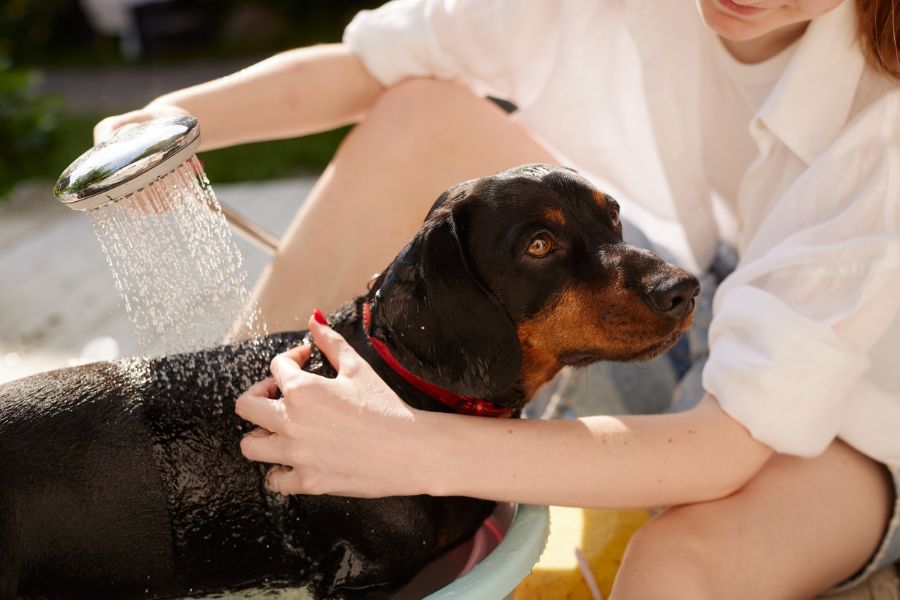
Summer walks can quickly turn dangerous when sidewalks, asphalt, and parking lots become hot enough to burn your pet’s paws. Many pet owners do not realize that pavement temperatures can rise far above the air temperature, putting dogs and cats at risk for painful injuries within minutes.
In this guide, you’ll learn how hot pavement affects your pet’s paws, signs of paw burns, safe walking tips, and simple ways to protect your furry companion during the hottest months of the year. If you want to keep your pet comfortable and active this summer, understanding hot pavement safety is essential.
Why Hot Pavement Is Dangerous for Pets?
A sunny summer day may feel manageable to humans wearing shoes, but pets walk directly on heated surfaces. Asphalt and concrete absorb heat quickly and can become dangerously hot even when the outdoor temperature seems mild.
For example:
- When the air temperature is 77°F, asphalt can reach around 125°F
- At 87°F outside, pavement may exceed 140°F
- Pavement temperatures above 125°F can cause burns in under a minute
Dogs are especially vulnerable because they rely on paw pads for walking, traction, and temperature regulation. Burned paw pads can make it painful for pets to move, exercise, or even stand comfortably.
How to Tell If Pavement Is Too Hot?
One of the easiest safety checks is the “7-second rule.”
Place the back of your hand on the pavement for seven seconds. If it feels too hot for your skin, it is too hot for your pet’s paws.
Other signs that pavement may be unsafe include:
- Pavement feels warm in early morning hours
- Surfaces are in direct sunlight with little shade
- Metal surfaces or dark asphalt appear extremely hot
- Your pet hesitates to walk outdoors
Remember that blacktop parking lots and sidewalks near busy streets often hold heat longer than grassy areas.
Signs Your Pet May Have Paw Burns
Hot pavement burns can range from mild irritation to severe injuries requiring veterinary treatment. Early detection can prevent complications and reduce discomfort.
Common symptoms include:
- Limping or refusing to walk
- Excessive licking or chewing at paws
- Darkened or discolored paw pads
- Blisters on the pads
- Redness or swelling
- Missing pieces of paw pad skin
- Sensitivity when paws are touched
Some pets may also appear anxious or restless after a walk because of the pain.
If you notice any of these symptoms, avoid additional walks on hard surfaces and contact your veterinarian for guidance.
Best Times to Walk Your Dog During Summer
Changing your walking schedule is one of the simplest ways to avoid hot pavement injuries.
Safer walking times include:
- Early morning before 9 AM
- Late evening after sunset
- Cooler cloudy days
- Shaded park trails
Avoid midday walks when the sun is strongest and pavement temperatures peak.
If your dog still needs exercise during the day, try indoor activities like:
- Puzzle toys
- Indoor fetch
- Training sessions
- Treadmill walks for dogs already familiar with them
Ways to Protect Your Pet’s Paws
Stick to Grass Whenever Possible
Grass stays significantly cooler than asphalt or concrete. During walks, guide your pet onto grassy strips, shaded dirt paths, or park trails.
Use Protective Paw Gear
Dog booties can help create a barrier between hot surfaces and sensitive paw pads. Some pets need time to adjust, so introduce footwear gradually with positive reinforcement.
Look for booties that are:
- Lightweight
- Breathable
- Non-slip
- Properly fitted
Apply Paw Balm
Paw balms moisturize and protect paw pads from cracking and dryness caused by summer heat. While they do not fully prevent burns, they can improve paw resilience.
Choose veterinarian-approved products designed specifically for pets.
Keep Walks Short
Even during cooler parts of the day, try shortening walks during extreme heat waves. Quick potty breaks and shorter exercise sessions can reduce exposure to hot surfaces.
Carry Water During Walks
Hydration is important during summer outings. Bring fresh water and offer frequent breaks, especially for older dogs, puppies, and flat-faced breeds.
Which Pets Are Most at Risk?
While any pet can suffer from paw burns, some animals face higher risks.
High-risk pets include:
- Puppies with sensitive paw pads
- Senior dogs
- Flat-faced breeds like Bulldogs and Pugs
- Overweight pets
- Pets with medical conditions
- Dogs with thin or sensitive paw pads
Active dogs that spend long periods outdoors may also develop repeated irritation from heated surfaces.
What to Do If Your Pet Burns Their Paws?
If you suspect your pet has burned paw pads, take immediate action.
First steps include:
- Move your pet to a cool surface immediately
- Rinse paws gently with cool water
- Avoid using ice directly on the skin
- Prevent licking if possible
- Contact your veterinarian
Do not apply human creams, ointments, or bandages unless directed by a veterinarian. Some products can worsen irritation or be harmful if ingested.
Severe burns may require pain medication, antibiotics, bandaging, or specialized wound care.
Summer Heat Safety Beyond the Pavement
Hot pavement is only one part of summer pet safety. Heat-related illnesses can develop quickly during outdoor activities.
Additional summer safety tips:
- Never leave pets in parked cars
- Provide constant access to fresh water
- Limit outdoor play during extreme heat
- Watch for signs of heat exhaustion
- Use shaded walking routes
- Groom pets regularly, but avoid shaving double-coated breeds completely
Signs of heat exhaustion include:
- Heavy panting
- Drooling
- Weakness
- Vomiting
- Rapid heart rate
- Collapse
Seek immediate veterinary care if your pet shows these symptoms.
Why Paw Care Matters Year-Round?
Healthy paw pads protect your pet from rough surfaces, heat, cold, and injury. Regular paw inspections can help you spot problems early before they become serious.
Check your pet’s paws for:
- Cuts
- Cracks
- Dryness
- Swelling
- Foreign objects
- Burns or irritation
Routine grooming and veterinary checkups also support long-term paw health.
Teaching Kids About Pet Summer Safety
Summer is a great time to involve children in pet care. Teaching kids about hot pavement safety helps protect pets and builds responsible habits.
Simple lessons include:
- Testing pavement before walks
- Offering water to pets
- Recognizing signs of overheating
- Walking dogs during cooler hours
Family awareness can make a big difference in preventing injuries.
Conclusion
Hot pavement can cause serious pain and injury to pets during the summer months, but a few simple precautions can keep your furry companion safe. Walking during cooler hours, checking pavement temperatures, using protective gear, and monitoring your pet’s paws can greatly reduce the risk of burns and heat-related problems.
If your pet shows signs of paw injuries or heat stress, schedule an appointment with Loving Care Animal Hospital in Palatine, IL, for professional care and guidance to help your pet stay safe and comfortable all summer long.
FAQs
Q1: How hot does pavement need to be to burn a dog’s paws?
Ans: Pavement temperatures above 125°F can burn a dog’s paw pads within minutes. Asphalt can reach these temperatures even when outdoor air temperatures are much lower.
Q2: Can dogs wear shoes to protect against hot pavement?
Ans: Yes, dog booties are an effective way to protect paws from hot pavement, rough surfaces, and burns during summer walks.
Q3: What are the first signs of burned paw pads in pets?
Ans: Common signs include limping, licking paws, redness, blisters, and reluctance to walk.
Q4: Is concrete safer than asphalt for pets in summer?
Ans: Concrete may stay slightly cooler than asphalt, but both surfaces can become dangerous in direct sunlight during hot weather.
Q5: Should I walk my dog during the afternoon in summer?
Ans: It is best to avoid afternoon walks during hot weather. Early morning and late evening walks are usually much safer for your pet’s paws and overall health.


Unable to locate Global Block : 69