

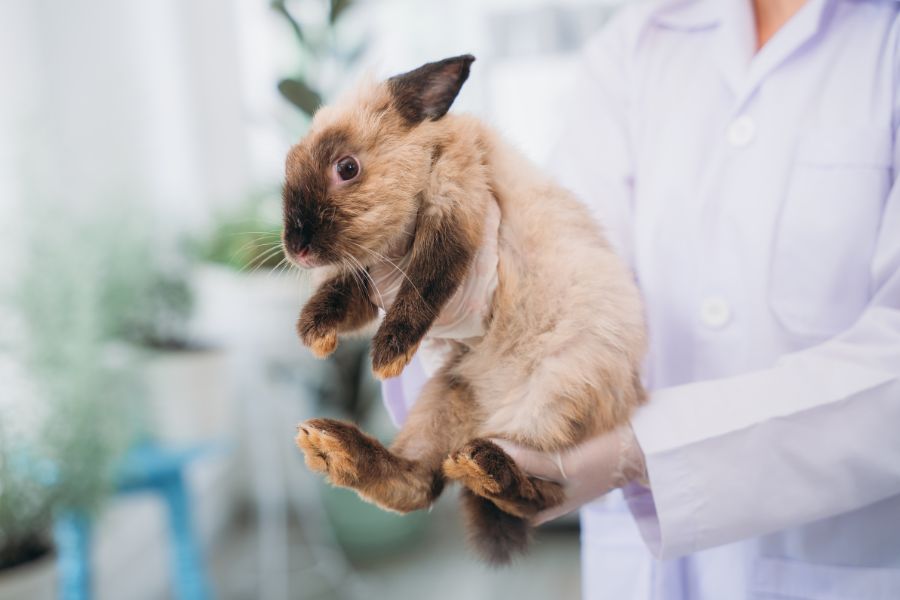
Exotic pets are unique, fascinating, and full of personality. From colorful parrots to curious reptiles and small mammals, these animals require attention that goes beyond traditional cat and dog care. Understanding their diet, habitat, and medical needs is essential for keeping them healthy and thriving. Whether you own a reptile, bird, rabbit, ferret, or other small mammal, proper knowledge makes all the difference.
What Is Considered an Exotic Pet?
An exotic pet is typically any animal that is not a dog or a cat. Some common examples include:
- Reptiles (snakes, turtles, lizards)
- Birds (parrots, cockatiels, macaws)
- Small mammals (rabbits, guinea pigs, ferrets, hamsters)
- Amphibians (frogs, salamanders)
Each species has very specific care requirements. Unlike traditional pets, exotic animals often hide signs of illness. This makes preventive care and routine checkups especially important.
Why Exotic Pet Care Is Different
Exotic animals have different needs related to:
- Diet and nutrition
- Temperature and humidity control
- Lighting requirements
- Enclosure setup
- Social interaction
For example, reptiles rely on external heat sources to regulate body temperature. Birds need mental stimulation and social interaction to prevent behavioral issues. Rabbits require a high-fiber diet to maintain proper digestive health. Because of these differences, exotic pet care requires training and experience in handling and treating non-traditional species.
Proper Nutrition for Exotic Pets
Nutrition is one of the most critical aspects of exotic pet care. A poor diet can quickly lead to serious health issues.
Reptiles
Many reptiles require a carefully balanced diet of insects, vegetables, or specially formulated pellets. Some species also need calcium and vitamin supplements to prevent metabolic bone disease.
Birds
Birds thrive on a mix of high-quality pellets, fresh vegetables, fruits, and occasional seeds. An all-seed diet can lead to obesity and nutritional deficiencies.
Rabbits and Small Mammals
Rabbits and guinea pigs need unlimited hay to support digestive health. Fresh greens and species-specific pellets are also important. Treats should be given sparingly.
If you’re unsure about the right diet for your pet, consulting a professional experienced in exotic pet care can help prevent long-term health issues.
Habitat and Environmental Needs
Creating the correct habitat is essential for exotic pets.
Temperature and Lighting
Reptiles often require UVB lighting to help metabolize calcium properly. Without it, they can develop serious bone disorders. Proper heating elements and thermometers are also necessary to maintain safe temperatures.
Cage Size and Setup
Birds need large cages with space to stretch their wings. Small mammals need clean bedding and room to explore. Enclosures should mimic natural environments as closely as possible.
Cleanliness
Regular cleaning prevents bacterial growth and parasites. Dirty habitats can quickly lead to respiratory infections or skin conditions. Maintaining proper environmental conditions is one of the foundations of responsible exotic pet care.
Routine Wellness Exams Matter
Exotic pets benefit greatly from regular health checkups. Annual or bi-annual wellness exams allow early detection of potential issues.
During a wellness visit, a veterinarian experienced in exotic pet care may:
- Perform a physical examination
- Check teeth, skin, feathers, or scales
- Evaluate diet and habitat
- Screen for parasites
- Recommend lab testing if needed
Because many exotic species mask illness, routine exams can be life-saving.
Common Health Issues in Exotic Pets
Understanding common health concerns can help you recognize problems early.
Reptiles
- Metabolic bone disease
- Respiratory infections
- Parasites
Birds
- Feather plucking
- Nutritional deficiencies
- Beak overgrowth
Rabbits and Small Mammals
- Dental disease
- Gastrointestinal stasis
- Overgrown nails
If you notice lethargy, appetite changes, abnormal droppings, breathing issues, or unusual behavior, it’s important to seek professional exotic pet care promptly.
Handling and Socialization Tips
Proper handling reduces stress and prevents injury.
- Always support your pet’s body fully.
- Wash your hands before and after handling.
- Avoid sudden movements or loud noises.
- Limit handling time if your pet seems stressed.
Birds and small mammals benefit from daily interaction. Reptiles, on the other hand, may prefer minimal handling depending on species. Understanding your pet’s behavior and personality is a key part of responsible exotic pet ownership.
Preventive Care and Parasite Control
Parasites are common in exotic pets, especially reptiles and small mammals. Regular fecal testing helps detect internal parasites early.
Preventive care may include:
- Routine lab testing
- Dental trimming (for rabbits and rodents)
- Beak and nail trims (for birds)
- Weight monitoring
Preventive exotic pet care in Palatine ensures your companion stays healthy year-round.
Signs Your Exotic Pet Needs Immediate Care
Seek professional help if you notice:
- Sudden weight loss
- Refusal to eat
- Labored breathing
- Swelling or discharge
- Changes in droppings
- Lethargy
Exotic pets can decline quickly. Early intervention significantly improves outcomes.
Choosing the Right Exotic Pet Care Provider
Not all veterinary clinics have experience with exotic species. When searching for exotic pet care look for:
- Experience treating multiple exotic species
- Proper diagnostic equipment
- Knowledge of focused nutrition
- Safe handling techniques
At Loving Care Animal Hospital in Palatine, IL, our team understands the unique needs of birds, reptiles, rabbits, and other small mammals. We focus on preventive care, accurate diagnosis, and personalized treatment plans tailored to each species. Our goal is to provide trusted exotic pet care to families throughout Palatine and surrounding communities.
Creating a Long, Healthy Life for Your Exotic Pet
Caring for an exotic pet is a rewarding experience, but it requires commitment and education. Providing the correct diet, proper habitat, routine wellness exams, and immediate medical attention when needed will help your companion thrive. If you are seeking reliable exotic pet care in Palatine, IL, Loving Care Animal Hospital is here to help guide you every step of the way.
FAQs
1. How often should exotic pets see a veterinarian?
Ans: Most exotic pets should have a wellness exam at least once a year. Some species, like rabbits and birds, may benefit from more frequent visits depending on age and health status.
2. What is the most common health issue in exotic pets?
Ans: Nutritional problems are among the most common issues. Improper diets often lead to metabolic bone disease, obesity, or digestive disorders.
3. Do reptiles really need UVB lighting?
Ans: Yes, many reptiles require UVB light to properly absorb calcium. Without it, they can develop serious bone conditions.
4. Can exotic pets hide signs of illness?
Ans: Absolutely, many exotic animals instinctively hide symptoms. That’s why routine exotic pet care and early veterinary exams are so important.
5. What should I feed my rabbit or guinea pig?
Ans: They need unlimited hay, fresh leafy greens, and species-specific pellets. Avoid sugary treats and high-carb foods.
6. Why should I choose a clinic experienced in exotic pet care?
Ans: Exotic pets have unique medical and environmental needs. A clinic experienced in exotic pet care in Palatine, IL, will understand species-specific treatments and preventive strategies.
Related Articles
Unable to locate Global Block : 69