

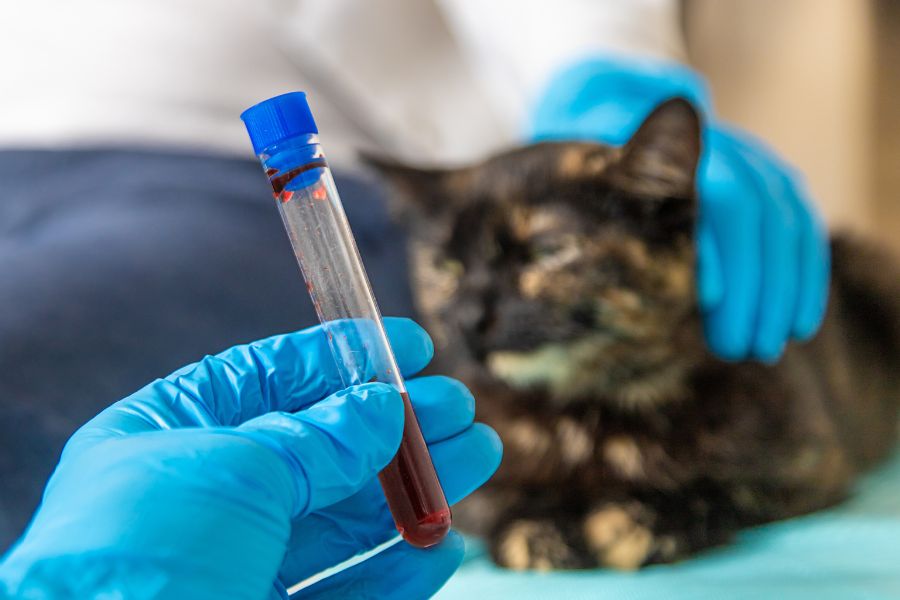
A pet blood panel is one of the most valuable tools veterinarians use to check your pet’s overall health. Whether your dog or cat seems sick, is preparing for surgery, or is simply due for a wellness exam, blood testing can reveal important information that may not be visible during a physical exam alone. In this guide, you’ll learn what happens during a pet blood panel, what veterinarians look for in the results, and why routine bloodwork plays a major role in early disease detection and long-term health care for pets.
What Is a Pet Blood Panel?
A pet blood panel is a laboratory test that analyzes your pet’s blood to evaluate organ function, hydration levels, immune response, and overall health. Veterinarians commonly recommend blood panels during annual wellness visits, before anesthesia, or when a pet shows symptoms like vomiting, fatigue, weight loss, or changes in appetite.
Bloodwork helps uncover health problems early, often before symptoms become severe. Many conditions, including kidney disease, diabetes, liver problems, and infections, can be detected through routine testing.
The two most common parts of a pet blood panel include:
- Complete Blood Count (CBC)
- Blood Chemistry Panel
Together, these tests provide a broad picture of your pet’s internal health.
Why Blood Panels Matter for Pets?
Pets cannot tell us when something feels wrong. Many illnesses develop slowly and silently, especially in older animals. A pet blood panel gives veterinarians important clues about hidden health issues.
Routine blood testing can help:
- Detect disease early
- Monitor chronic conditions
- Establish a healthy baseline
- Evaluate organ function
- Check for infections or inflammation
- Ensure safety before surgery or anesthesia
Early diagnosis often leads to more effective treatment and lower long-term medical costs.
What Happens During a Pet Blood Panel?
The process is usually simple, quick, and minimally stressful for most pets.
Step 1: Physical Examination
Before collecting blood, the veterinarian performs a physical exam. They may check your pet’s:
- Weight
- Heart rate
- Temperature
- Hydration
- Teeth and gums
- Eyes and ears
- Abdomen and joints
The exam helps determine which blood tests are most appropriate.
Step 2: Blood Collection
A veterinary technician or veterinarian collects a small blood sample, usually from:
- The front leg
- Neck vein
- Back leg
The area may be shaved or cleaned with an antiseptic first. Most pets tolerate blood collection very well and do not need sedation.
The process typically takes only a few minutes.
Step 3: Laboratory Testing
The blood sample is analyzed either in-house or sent to a veterinary diagnostic laboratory. Some clinics can provide same-day results, while others may take 24 to 48 hours. The veterinarian reviews the findings carefully to identify abnormalities or trends.
Understanding the Complete Blood Count (CBC)
The CBC measures different types of blood cells and helps veterinarians assess your pet’s immune system and oxygen circulation.
Red Blood Cells
Red blood cells carry oxygen throughout the body. Low levels may indicate anemia, blood loss, or chronic disease.
High levels can sometimes point to dehydration.
White Blood Cells
White blood cells help fight infection and inflammation.
Abnormal white blood cell counts may suggest:
- Infection
- Stress
- Allergies
- Immune disorders
- Certain cancers
Platelets
Platelets are responsible for blood clotting. Low platelet counts may increase the risk of bleeding disorders.
What does the Blood Chemistry Panel check?
The chemistry panel evaluates organ function and internal body systems.
Kidney Function
Tests such as BUN and creatinine help determine how well the kidneys are working. Kidney disease is especially common in senior pets.
Liver Health
Liver enzymes can reveal liver inflammation, infection, or toxin exposure.
Blood Sugar Levels
Glucose testing helps diagnose diabetes or monitor pets already receiving treatment.
Electrolytes
Electrolytes like sodium and potassium are essential for nerve and muscle function. Imbalances may result from dehydration, vomiting, kidney disease, or endocrine disorders.
Protein Levels
Protein values can provide information about nutrition, hydration, inflammation, and immune system health.
When Does Your Pet Need a Blood Panel?
Veterinarians may recommend a pet blood panel in several situations.
Annual Wellness Exams
Routine bloodwork is often part of preventive care, especially for adult and senior pets.
Before Surgery
Pre-anesthetic blood testing helps identify hidden problems that could increase surgical risks.
When Symptoms Appear
Blood panels help investigate symptoms such as:
- Vomiting
- Diarrhea
- Increased thirst
- Weight loss
- Lethargy
- Loss of appetite
Monitoring Chronic Conditions
Pets with diabetes, kidney disease, thyroid problems, or liver disease often require ongoing blood testing to monitor treatment progress.
Blood Panels for Senior Pets
As pets age, routine blood testing becomes even more important. Older pets have a greater risk of developing chronic illnesses that may not show visible symptoms early on.
Senior pet blood panels often help detect:
- Kidney disease
- Arthritis-related inflammation
- Diabetes
- Thyroid disorders
- Liver disease
- Cancer indicators
Many veterinarians recommend bloodwork every 6 to 12 months for senior pets.
How to Prepare Your Pet for Bloodwork?
Your veterinarian may provide specific instructions depending on the type of test.
Common preparation steps include:
- Fasting for 8 to 12 hours before testing
- Bringing a list of medications
- Keeping your pet calm before the appointment
- Allowing access to water unless instructed otherwise
Always follow your veterinarian’s recommendations for the most accurate results.
Are Pet Blood Panels Safe?
Yes, pet blood panels are considered very safe. The amount of blood collected is small, and complications are rare.
Some pets may experience:
- Mild bruising at the collection site
- Temporary stress during handling
- Minor soreness afterward
Most pets return to normal activities immediately after testing.
How Much Does a Pet Blood Panel Cost?
The cost of a pet blood panel can vary depending on:
- The type of tests performed
- Your pet’s condition
- Emergency versus routine testing
- Geographic location
Basic wellness bloodwork may cost less than comprehensive diagnostic panels. While testing does involve an upfront expense, early detection often prevents more serious and expensive health problems later.
What Happens If Results Are Abnormal?
Abnormal results do not always mean your pet has a serious illness. Veterinarians interpret bloodwork alongside physical exams, symptoms, age, and medical history.
Depending on the findings, your veterinarian may recommend:
- Additional diagnostic tests
- Imaging such as X-rays or ultrasound
- Dietary changes
- Medication
- Repeat blood testing
The goal is to create the best treatment plan for your pet’s specific needs.
Conclusion
A pet blood panel provides valuable insight into your pet’s internal health and can help identify medical problems before they become severe. From routine wellness care to diagnosing illness through pet diagnostic care, blood testing plays a major role in keeping pets healthy and improving long-term outcomes. Regular bloodwork allows veterinarians to monitor organ function, detect hidden disease, and create personalized care plans for every stage of life. If your pet is due for wellness testing or showing signs of illness, schedule an appointment with Loving Care Animal Hospital in Palatine, IL, to discuss whether a blood panel is recommended.
FAQs
Q1: How long does a pet blood panel take?
Ans: Most blood samples are collected within a few minutes. Results may be available the same day or within 24 to 48 hours, depending on the clinic and tests ordered.
Q2: Does my pet need to fast before a blood panel?
Ans: Some blood tests require fasting for accurate results. Your veterinarian will let you know if food should be withheld before the appointment.
Q3: Can a pet blood panel detect cancer?
Ans: A pet blood panel cannot diagnose all cancers directly, but it can reveal abnormalities that suggest further testing may be needed.
Q4: How often should senior pets get bloodwork?
Ans: Many veterinarians recommend blood testing every 6 to 12 months for senior pets to monitor for age-related health conditions.
Q5: Is a pet blood panel necessary if my pet seems healthy?
Ans: Yes, routine bloodwork can detect hidden diseases early, even when pets appear healthy and show no obvious symptoms.


Unable to locate Global Block : 69