

Licking is one of the most common behaviors pet owners notice in dogs and cats. Sometimes it is completely normal, like grooming, affection, or self-soothing. Other times, excessive licking may point to allergies, pain, anxiety, or an underlying medical issue. In this guide, you’ll learn when licking is expected, when it becomes a concern, and how veterinarians evaluate and treat unusual licking behavior in pets.
Is Licking Normal for Dogs and Cats
Yes, licking is a natural behavior for both dogs and cats. Pets use their tongues for many reasons beyond eating and drinking. Licking can help them clean themselves, bond with family members, explore scents, and calm themselves during stressful moments. Occasional licking is usually harmless. The key is understanding the frequency, location, and intensity of the behavior.
Common Normal Reasons for Licking
- Grooming fur and skin
- Cleaning paws after walking
- Showing affection to owners or other pets
- Exploring smells and tastes
- Seeking attention
- Relaxing before sleep
Why Do Dogs Lick So Much
Dogs often use licking as a way to communicate and interact with the world. Since dogs do not have hands, their mouths and tongues become tools for exploration.
Normal Dog Licking Behaviors
- Licking your hands or face as a greeting
- Licking after meals
- Licking small, minor irritations briefly
- Licking bedding for comfort
- Licking paws after outdoor walks
When Dog Licking May Signal a Problem
If your dog constantly licks one spot, furniture, floors, or the air, it may indicate:
- Skin allergies
- Fleas or parasites
- Joint pain
- Nausea
- Dental discomfort
- Stress or boredom
- Compulsive behavior
Why Do Cats Lick So Much
Cats are naturally meticulous groomers. A healthy cat may spend a large part of the day grooming their coat.
Normal Cat Licking Behaviors
- Daily coat cleaning
- Grooming after meals
- Cleaning paws and face
- Mutual grooming with bonded cats
- Licking after being petted
When Cat Licking May Be Abnormal
Cats that overgroom can develop bald patches, skin redness, or sores. Excessive licking in cats may be linked to:
- Flea allergy dermatitis
- Stress or environmental change
- Pain, especially arthritis
- Skin infections
- Food sensitivities
- Urinary discomfort
- Anxiety disorders
Signs Your Pet’s Licking Needs Veterinary Attention
Contact your veterinarian if you notice any of these warning signs:
- Licking that interrupts sleep
- Bald spots or hair loss
- Red, irritated, or bleeding skin
- Repeated paw licking
- Sudden increase in licking behavior
- Licking one joint or body part constantly
- Vomiting or appetite changes
- Hiding or irritability
- Nighttime restlessness
These signs suggest the licking may be more than a habit.
How Vets Diagnose Excessive Licking
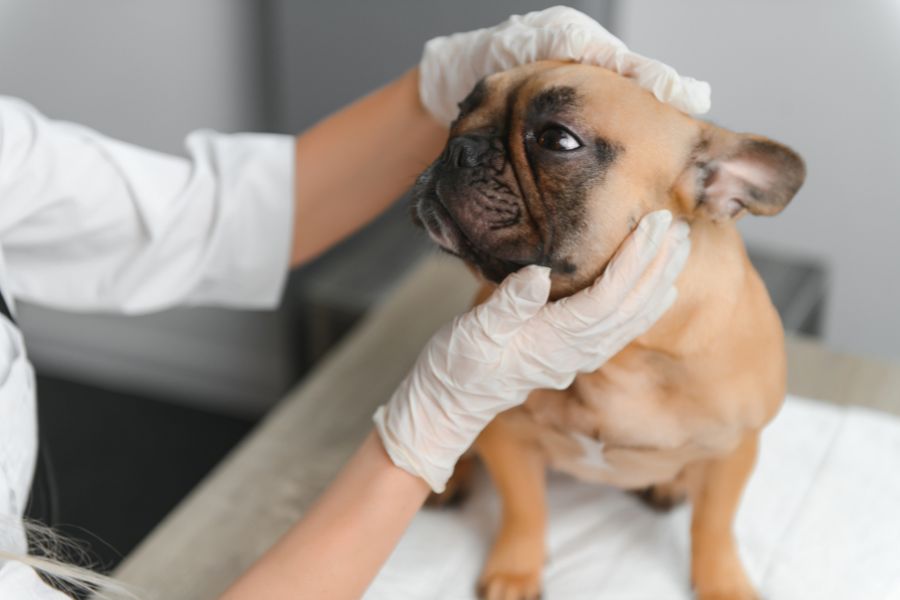
A veterinarian will look for both medical and behavioral causes. Since many conditions can trigger licking, a full exam is often the best first step.
Diagnostic Steps May Include:
- Physical examination
- Skin and coat check
- Flea and parasite review
- Ear and dental exam
- Allergy discussion
- Joint pain assessment
- Diet history
- Stress and routine review
In some cases, bloodwork, skin testing, or imaging may be recommended.
How to Help a Pet That Licks Too Much
Treatment depends on the cause. Once the reason is identified, many pets improve quickly.
Common Treatment Options
- Allergy management
- Flea prevention
- Pain relief for arthritis or injuries
- Diet changes for food sensitivities
- Anxiety reduction plans
- More exercise and enrichment
- Behavior modification
- Medications when needed
At-Home Tips
- Keep a regular daily routine
- Provide toys and puzzle feeders
- Increase walks or play sessions
- Avoid punishing licking behavior
- Use vet-approved flea prevention
- Monitor triggers such as visitors or loud sounds
Can Stress Cause Licking
Absolutely. Stress is a common reason pets lick excessively. Dogs may lick paws or surfaces when anxious. Cats may overgroom after moving homes, schedule changes, or conflicts with other pets.
Common Stress Triggers
- New baby or pet
- Moving homes
- Loud noises
- Separation from the owner
- Boredom
- Changes in feeding times
- Conflict with another pet
Reducing stress often decreases licking significantly.
Should You Ever Ignore Licking
Occasional grooming or affection licking is fine. But if the behavior becomes frequent, intense, or causes skin damage, it should not be ignored. Persistent licking often worsens over time if the underlying cause is untreated. Early care can prevent infections, hot spots, hair loss, and chronic anxiety habits. Licking is often a normal part of life for dogs and cats, but excessive or sudden licking can be a sign that something is wrong. Watching your pet’s habits closely can help you spot problems early. If your dog or cat is licking more than usual, schedule an exam with Loving Care Animal Hospital in Palatine, IL, for trusted guidance and compassionate care.
FAQs
Q1: Is licking normal for dogs and cats every day?
Ans: Yes, daily licking for grooming, affection, or cleaning is common. It becomes concerning when it is constant or causes irritation.
Q2: Why is my dog licking his paws nonstop?
Ans: Persistent paw licking often points to allergies, irritation, parasites, or anxiety. A veterinary exam is recommended.
Q3: Why is my cat licking fur off her belly?
Ans: This may be caused by stress, allergies, pain, or skin discomfort. Cats that overgroom should be evaluated.
Q4: Can boredom cause licking in pets?
Ans: Yes, boredom can trigger repetitive licking, especially in dogs that need more exercise or mental stimulation.
Q5: When should I worry about licking behavior?
Ans: You should be concerned if licking is sudden, excessive, causes hair loss, skin sores, limping, or behavior changes.


Unable to locate Global Block : 69