
If you have a pet in Palatine, IL, keeping up with vaccinations is one of the most important things you can do for their health. But not every vaccine is the same, and not every pet needs the same shots. Understanding core vs non-core vaccines helps you make informed decisions at every vet visit. Core vaccines protect against serious, widespread diseases that every pet is at risk of. Non-core vaccines are recommended based on your pet’s lifestyle, environment, and risk factors. Many pet owners come to us confused about what their pet actually needs and why. That confusion is completely understandable. Vaccine labels, schedules, and recommendations can feel overwhelming. In this article, we break it all down in plain language so you can walk into your next appointment feeling confident and prepared.
What Are Core Vaccines for Dogs and Cats?
Core vaccines are the ones every dog or cat should receive, regardless of lifestyle. They protect against diseases that are highly contagious, potentially fatal, or pose a risk to public health.
For dogs, core vaccines include rabies, distemper, parvovirus, and adenovirus. These are typically combined into a single shot called the DAPP or DA2PP vaccine. Rabies is required by law in most states, including Illinois.
For cats, core vaccines include rabies, feline herpesvirus, calicivirus, and panleukopenia. These are often given together as the FVRCP combination vaccine. Panleukopenia alone can be fatal in unvaccinated cats, especially kittens.
The American Veterinary Medical Association (AVMA) recommends that all pets receive core vaccines starting in kittenhood or puppyhood and continue on a schedule determined by your veterinarian. Following a consistent pet vaccine schedule vet recommendation is the single most reliable way to prevent these diseases.
What Are Non-Core Vaccines and Which Pets Need Them?
Non-core vaccines are not required for every pet. They are recommended based on individual risk. Your vet will assess your pet’s lifestyle before making a recommendation.
For dogs, common non-core vaccines include Bordetella (kennel cough), leptospirosis, Lyme disease, and canine influenza. If your dog visits dog parks, boarding facilities, or grooming salons, they face a much higher exposure risk.
For cats, non-core vaccines include feline leukemia virus (FeLV) and feline immunodeficiency virus (FIV). Outdoor cats or cats in multi-cat households are at significantly higher risk and should discuss these vaccines with their vet.
In our experience, many pet owners are surprised to learn their indoor cat may still need certain non-core vaccines. Even a cat who rarely goes outside can be exposed during a brief escape or vet visit. The required dog and cat vaccines your pet needs will depend on honest conversations about how your pet actually lives day to day.
How Lifestyle Shapes Your Pet’s Vaccine Plan?
One of the most common questions we get from pet owners is: “Does my pet really need all these shots?” The honest answer is: it depends on their lifestyle.
A dog who hikes wooded trails near standing water in the Chicago suburbs faces real leptospirosis and Lyme disease risks. A dog who stays mostly indoors and visits the same dog-free yard each day faces far less exposure. That difference matters when building a vaccine plan.
Your vet will ask questions about where your pet spends time, who they interact with, and whether they travel. These lifestyle pet vaccines are not one-size-fits-all. They are targeted protection based on actual risk.
We frequently remind our clients that Illinois has a significant tick population in suburban and wooded areas. Lyme disease cases in dogs in the Chicago area are not rare. If your dog is spending time outdoors between spring and fall, that conversation about tick-borne disease prevention is worth having every year.
Non-core vaccines for cats like FeLV are especially worth discussing if you have multiple cats or are considering adopting a new one. Feline leukemia spreads easily between cats in close contact. The lifestyle pet vaccines your cat may need are a smart layer of added protection.
Is Your Pet’s Vaccine Schedule Up to Date?
Many pets fall behind on vaccines simply because life gets busy. But gaps in protection can leave your pet vulnerable at exactly the wrong moment.
Core vaccines are typically given as a series in puppyhood or kittenhood, then boostered at one year, and then every one to three years, depending on the vaccine type. Your vet will determine the right timing based on your pet’s age, health history, and previous vaccine records.
Non-core vaccines are often given annually because immunity does not last as long. Bordetella, for example, is typically recommended every six to twelve months for dogs with regular social exposure.
Pet owners often tell us they assumed their pet was “up to date” based on a vaccine given years ago. Checking your records before your next appointment is always a good first step. A current pet vaccine schedule vet review can catch any gaps and make sure your pet is fully covered going into every season.
What to Expect at Your Pet’s Vaccine Appointment?
Getting your pet vaccinated at Loving Care Animal Hospital is a straightforward, low-stress process. Here is what a typical appointment looks like:
- Your vet reviews your pet’s health history and any recent changes.
- A physical exam is performed before any vaccine is given.
- Your vet recommends vaccines based on your pet’s age, lifestyle, and risk factors.
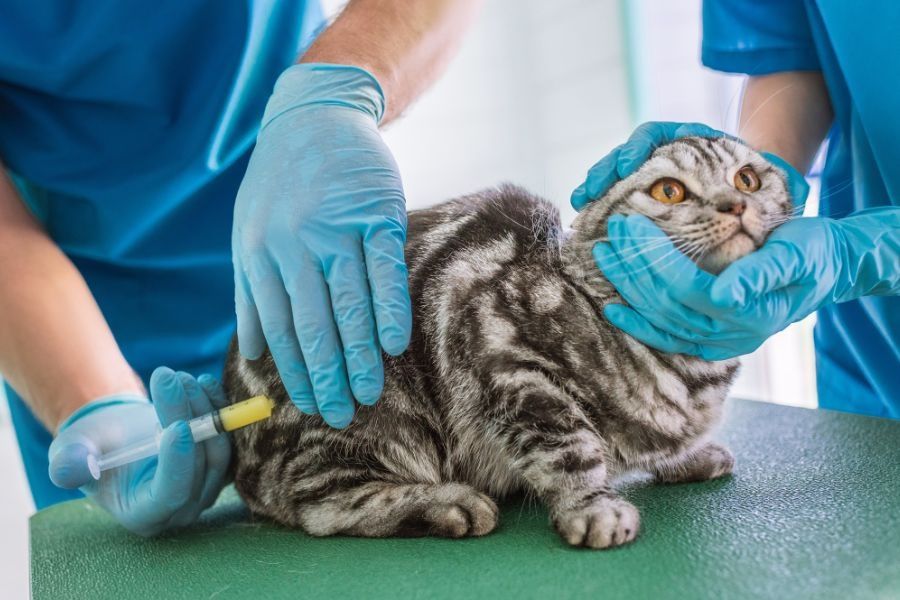
- Vaccines are administered quickly and calmly with minimal stress to your pet.
- You receive a vaccine record and a recommended schedule for future visits.
- Your vet answers any questions about side effects or follow-up care.
Mild soreness or low-grade fatigue after vaccines is normal and usually resolves within 24 hours. Serious reactions are rare, but your vet will tell you exactly what signs to watch for. Pet vaccination protection works best when vaccines are given on schedule, and your pet is healthy at the time of administration.
Conclusion
Understanding core vs non-core vaccines through effective pet preventive care gives you the knowledge to be a better advocate for your pet’s health. Core vaccines protect every pet from the most serious threats. Non-core vaccines fill in the gaps based on how your pet actually lives. Both play a role in keeping your dog or cat healthy for years to come. Pet vaccination protection is not just about following a checklist. It is about understanding your pet’s real-world risks and staying ahead of them. If you are not sure where your pet stands, schedule a wellness visit. The team at Loving Care Animal Hospital in Palatine, IL, is here to help you build the right vaccine plan for your pet’s unique lifestyle. Book an appointment today.
FAQs
Q1: What is the difference between core and non-core vaccines for pets?
Ans: Core vaccines are recommended for every pet because they protect against serious, widespread, or legally required diseases. Non-core vaccines are given based on individual lifestyle and risk factors, such as outdoor exposure, boarding, or contact with other animals.
Q2: Does my indoor cat need non-core vaccines?
Ans: Possibly, Indoor cats still face some risks, especially if they have any contact with other cats or the outdoors. Feline leukemia and other non-core vaccines may be recommended depending on your cat’s situation. Your vet is the best person to assess that risk.
Q3: How often does my dog need the Bordetella vaccine?
Ans: Most dogs with regular social exposure, such as dogs who visit boarding facilities or dog parks, need Bordetella every six to twelve months. Your vet will recommend the right interval based on how often your dog is in high-contact settings.
Q4: Are there risks to giving my pet too many vaccines at once?
Ans: Most pets tolerate multiple vaccines well when given together. Your vet will consider your pet’s age, weight, and health before combining vaccines. Mild fatigue or soreness is normal. Serious reactions are uncommon, but your vet will explain what to watch for.
Q5: What vaccines does Illinois law require for pets?
Ans: Illinois state law requires rabies vaccination for both dogs and cats. Your vet will provide a rabies certificate after vaccination, which serves as your pet’s legal proof of compliance.