

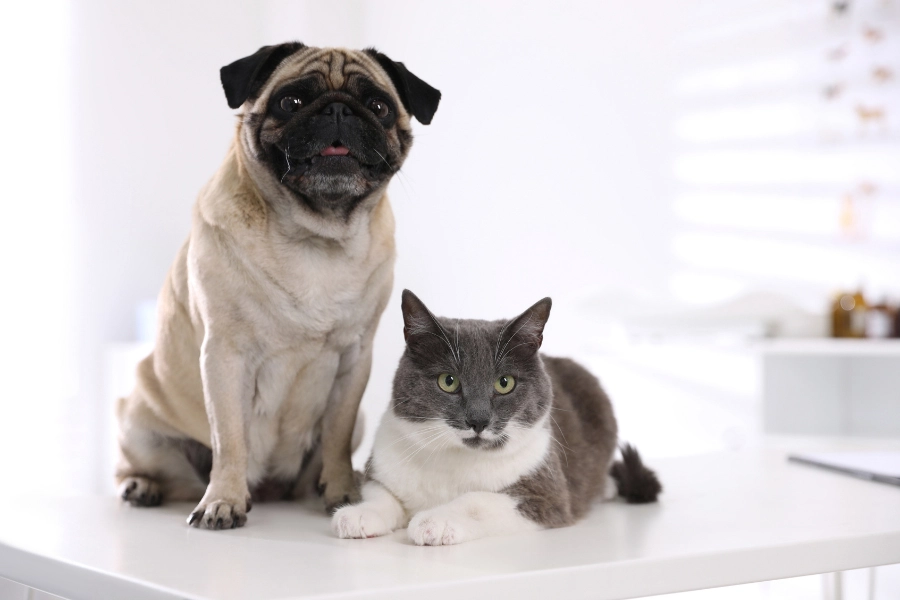
Many pet illnesses can be reduced through regular veterinary visits, healthy nutrition, parasite prevention, dental care, exercise, and early detection. Preventive care does not guarantee that a dog or cat will never become sick, but it can lower the risk of certain health problems and help veterinarians identify concerns before they become more difficult to manage. At Loving Care Animal Hospital, Palatine, IL, preventive veterinary care focuses on helping pets stay healthier throughout every stage of life. Understanding which conditions may be influenced by routine care can help you make informed decisions about your pet’s health. Here are 11 diseases and health problems that may be prevented, reduced, or detected earlier through consistent preventive care.
What Diseases Can Preventive Care Help Prevent in Pets?
Preventive care may reduce the risk or severity of several common pet health problems, including dental disease, intestinal parasites, heartworm disease, obesity-related conditions, ear infections, skin problems, urinary problems, and some complications associated with aging. Regular veterinary examinations are important because prevention often involves several factors working together rather than a single treatment. The following conditions are examples of health problems that may be influenced by preventive care.
1. Dental Disease
Dental disease is extremely common in dogs and cats. Plaque can accumulate on the teeth and eventually harden into tartar, which may contribute to gum inflammation and periodontal disease.
Preventive dental care may include:
- Regular oral examinations
- At-home tooth brushing
- Pet-safe dental products
- Professional dental cleanings when recommended
- Monitoring for broken or loose teeth
- Early treatment of gum inflammation
| Early Warning Sign | What Owners May Notice |
| Bad breath | Persistent unpleasant odor |
| Red gums | Inflammation around teeth |
| Tartar | Yellow or brown buildup |
| Drooling | More saliva than usual |
| Chewing changes | Dropping food or chewing differently |
Preventing plaque buildup and treating early dental problems can help protect your pet’s comfort and oral health.
2. Heartworm Disease
Heartworm disease is caused by parasitic worms that can affect the heart and blood vessels. Preventive veterinary care is important because heartworm disease can become difficult and costly to manage once established.
Preventive care may involve:
- Regular veterinary examinations
- Appropriate parasite prevention
- Recommended screening
- Monitoring for changes in health
This is because heartworm disease can progress without obvious early symptoms; preventive planning is especially valuable.
3. Intestinal Parasites
Roundworms, hookworms, whipworms, and other intestinal parasites can affect pets.
Some parasites can cause digestive problems, poor growth, weight loss, or anemia.
Signs may include:
- Diarrhea
- Vomiting
- Weight loss
- Poor appetite
- Pot-bellied appearance in young pets
- Poor growth
- Visible worms in stool in some cases
Preventive care can include fecal testing and parasite-control strategies recommended by your veterinarian.
4. Flea-Related Skin Disease
Fleas are more than a nuisance. Some pets develop significant itching or allergic skin reactions after flea exposure.
Preventive care can help reduce:
- Flea infestations
- Excessive scratching
- Hair loss
- Skin irritation
- Secondary skin infections
| Possible Problem | What May Happen |
| Flea bites | Itching and irritation |
| Flea allergy | Severe itching in sensitive pets |
| Excessive scratching | Skin wounds |
| Constant licking | Hair loss and irritated skin |
| Open skin lesions | Secondary infection risk |
Consistent parasite prevention can be particularly important for pets that spend time outdoors.
5. Ear Infections
Ear infections can develop for several reasons, including allergies, moisture, parasites, foreign material, and changes in the ear environment.
Not every ear infection can be prevented, but early attention to ear problems may reduce complications.
Regular care can include:
- Checking the ears for redness
- Watching for unusual odor
- Monitoring scratching
- Keeping ears dry when appropriate
- Addressing underlying allergies
- Having recurring problems evaluated
If your pet repeatedly develops ear infections, your veterinarian may look for an underlying cause rather than simply treating each episode separately.
6. Obesity-Related Health Problems
Obesity is one of the most important preventable health concerns in companion animals.
Excess body weight can increase strain on joints and may contribute to other health problems.
Preventive strategies include:
- Measuring meals
- Choosing an appropriate diet
- Limiting excessive treats
- Providing regular exercise
- Monitoring body condition
- Adjusting food intake as your pet’s needs change
| Preventive Habit | Potential Benefit |
| Portion control | Helps prevent excess calorie intake |
| Regular activity | Supports healthy weight |
| Weight checks | Detects gradual changes |
| Balanced nutrition | Supports overall health |
| Treat moderation | Reduces unnecessary calories |
Your pet’s nutritional needs can change with age, activity level, and health status.
7. Skin Infections and Related Problems
Skin disease can have many causes, including parasites, allergies, moisture, and underlying medical conditions.
Preventive care cannot eliminate every skin problem, but regular examinations can help identify changes early.
Watch for:
- Persistent itching
- Redness
- Hair loss
- Flaky skin
- Hot spots
- Unusual odor
- Excessive licking
- Repeated scratching
Finding the underlying cause early can help prevent a mild skin problem from becoming a larger one.
8. Urinary Tract Problems
Some urinary problems may be influenced by hydration, nutrition, weight, underlying disease, or individual risk factors.
Preventive veterinary examinations can help detect changes before a urinary condition becomes severe.
Warning signs include:
- Frequent urination
- Straining to urinate
- Blood in urine
- Urinating outside the litter box
- Increased thirst
- Licking the urinary area
- Producing little urine
Difficulty urinating can be urgent, especially in male cats. Preventive care can help identify risk factors and changes in urinary health.
9. Anal Gland Problems
Anal gland problems are particularly common in some dogs.
When the glands do not empty normally, they can become impacted, irritated, or infected.
Signs may include:
- Scooting across the floor
- Licking the area
- Redness
- Swelling
- Unpleasant odor
- Difficulty sitting comfortably
Regular veterinary examinations can help identify recurring anal gland problems and determine whether dietary or other management changes may help.
10. Arthritis and Mobility Problems
Arthritis cannot always be prevented, particularly when age, genetics, previous injuries, or joint structure play a role.
However, preventive care can help reduce risk factors and identify joint problems earlier.
Helpful strategies may include:
- Maintaining a healthy body weight
- Providing appropriate exercise
- Monitoring changes in movement
- Addressing injuries promptly
- Discussing joint health during routine examinations
- Adjusting activity as your pet ages
Early mobility changes can include:
- Hesitating before stairs
- Slower walking
- Difficulty jumping
- Stiffness after resting
- Reluctance to play
- Changes in grooming
Early recognition can allow your veterinarian to discuss ways to support mobility and comfort.
11. Complications From Chronic Health Conditions
Some chronic conditions cannot be completely prevented, but regular veterinary care can help detect them earlier and reduce complications.
Examples include:
- Kidney disease
- Liver disease
- Diabetes
- Heart disease
- Hormonal disorders
Preventive monitoring may include:
| Monitoring Tool | What It Can Help Identify |
| Physical examination | Changes in weight, gums, skin, and overall condition |
| Blood testing | Changes involving organs and blood cells |
| Urine testing | Urinary and kidney-related changes |
| Weight monitoring | Gradual weight gain or loss |
| Blood pressure checks | Potential cardiovascular concerns |
| Imaging | Structural changes when indicated |
Early detection does not always prevent a disease from developing, but it can give your veterinarian an opportunity to address problems sooner.
How Does Preventive Care Help Pets Stay Healthy?
Preventive care is not one appointment or one treatment. It is an ongoing approach to your pet’s health.
A preventive care plan may include:
- Routine physical examinations
- Dental evaluations
- Parasite screening
- Appropriate parasite prevention
- Nutrition assessment
- Weight monitoring
- Behavioral discussions
- Blood and urine testing when appropriate
- Age-specific health monitoring
- Early investigation of unusual symptoms
Your pet’s preventive plan should be based on individual factors such as age, lifestyle, breed, environment, and medical history.
Hypothetical Example: Preventive Care Finds a Hidden Problem
Imagine a seven-year-old dog named Max who comes in for a routine wellness examination. His owner has not noticed any major changes at home, but the veterinarian finds that Max has gained weight and has early gum inflammation. The veterinary team discusses nutrition and weight management while recommending appropriate dental care. This is because the concerns are identified early, Max’s owner can make changes before the problems become more advanced. This hypothetical example demonstrates why preventive veterinary visits are valuable even when your pet appears healthy at home.
What Can Pet Owners Do Between Veterinary Visits?
Your veterinarian provides professional medical care, but daily habits also play an important role.
At home:
- Monitor your pet’s appetite.
- Track changes in weight.
- Brush teeth as recommended.
- Check ears and skin regularly.
- Watch bowel and urinary habits.
- Provide appropriate exercise.
- Keep harmful substances out of reach.
- Follow parasite-prevention recommendations.
- Contact your veterinarian when unusual symptoms appear.
Small changes can sometimes provide the first clue that your pet needs attention.
When Should You Schedule a Veterinary Visit?
Do not wait for your pet’s next routine appointment if you notice a significant change in health.
Contact your veterinarian if your pet develops:
- Persistent vomiting or diarrhea
- Sudden weight loss
- Significant appetite changes
- Difficulty urinating
- Persistent coughing
- Severe itching
- New lumps or swelling
- Difficulty walking
- Significant dental problems
- Unusual thirst or urination
- Major behavior changes
Prompt evaluation can help determine whether the change is minor or requires further investigation.
Conclusion
Preventive care cannot guarantee that a pet will never become sick, but it can reduce certain risks and help identify health problems earlier. Dental disease, parasite-related conditions, flea-associated skin problems, obesity-related concerns, urinary issues, mobility problems, and complications from chronic diseases are among the conditions that may benefit from consistent preventive attention. Regular examinations, appropriate nutrition, dental care, parasite prevention, weight management, and early investigation of unusual symptoms all have a role. If you want to stay proactive about your pet’s health, Loving Care Animal Hospital, Palatine, IL, can help create a preventive care approach suited to your dog’s or cat’s age, lifestyle, and individual needs.
FAQs
Q1: What is preventive care for pets?
A: Preventive care includes routine veterinary examinations, dental care, parasite prevention, nutrition and weight monitoring, and appropriate health screening. The goal is to maintain health and identify potential problems as early as possible.
Q2: Can preventive care completely prevent diseases in dogs and cats?
A: No. Some diseases are influenced by genetics, age, environment, and other factors that cannot be completely controlled. Preventive care can reduce certain risks and help detect health problems earlier.
Q3: How often should my pet have a preventive veterinary examination?
A: The appropriate schedule depends on your pet’s age, health, lifestyle, and individual risk factors. Your veterinarian can recommend an examination schedule based on those needs.
Q4: What signs should I watch for between preventive visits?
A: Changes in appetite, weight, thirst, urination, bowel movements, activity, grooming, breathing, or behavior can indicate a health concern. Contact your veterinarian if a change persists or appears significant.
Q5: Is preventive care still important when my pet seems completely healthy?
A: Yes. Pets can hide early signs of illness, and some health problems may not produce obvious symptoms at first. Routine examinations give your veterinarian an opportunity to identify subtle changes before they become more advanced.

Unable to locate Global Block : 69