

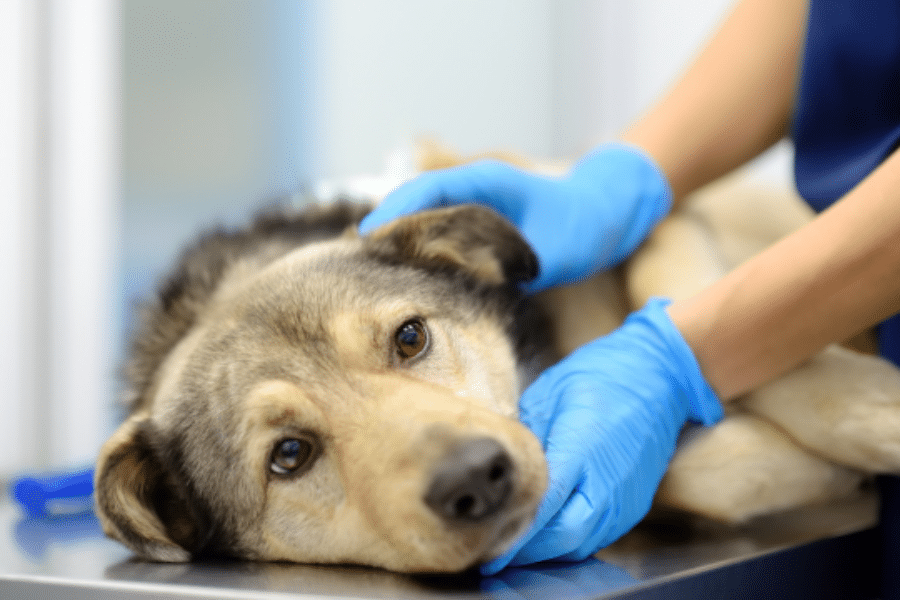
Constant scratching, licking, or chewing at the skin can leave your pet uncomfortable and leave you wondering what is causing the problem. Sometimes, the trigger is seasonal, such as pollen or grass. In other cases, fleas, food ingredients, or substances that touch the skin may be responsible. Pet skin allergies can affect both dogs and cats, and the signs may look similar even when the causes are different. Finding the reason for your pet’s discomfort is an important step toward lasting relief. Loving Care Animal Hospital in Palatine, IL, encourages pet owners to pay attention to changes in their pet’s skin and coat. This guide explains common allergy triggers, warning signs, treatment options, and ways to support your pet at home.
What Causes Skin Allergies in Dogs and Cats?
Skin allergies develop when a pet’s immune system reacts to a substance that would not usually cause a problem. This reaction can lead to itching, redness, inflammation, and repeated scratching or licking. Some pets react to substances in their environment, while others may have a reaction linked to fleas or food.
Common triggers include:
- Fleas: Some pets are highly sensitive to flea saliva. Even a small number of bites can cause intense itching, especially around the lower back, tail base, and thighs.
- Environmental allergens: Pollen, mold, dust mites, and other substances in the environment may trigger allergic skin disease.
- Food ingredients: Some dogs and cats develop an allergic reaction to a protein in their diet. Food allergies may cause year-round itching, recurring ear problems, or digestive signs.
- Contact irritants: Certain cleaning products, detergents, plants, or materials may irritate the skin where contact occurs. True contact allergies are less common than simple irritation.
- Secondary infections: Repeated scratching can damage the skin and allow bacteria or yeast to grow. These infections may make the original itching worse.
It is important to remember that not every itchy pet has an allergy. Parasites, skin infections, dry skin, and other health problems can cause similar signs. A veterinary examination helps narrow down the possibilities and prevents you from spending time on treatments that may not address the real cause.
What Are the Signs of Skin Allergies in Pets?
Itching is one of the most common signs of an allergic skin problem, but pets may show discomfort in different ways. Dogs often scratch with their paws, rub their faces against furniture, or lick their feet. Cats may groom themselves so frequently that they develop bald patches or small scabs.
Look for these possible signs:
- Frequent scratching, licking, biting, or chewing at the skin
- Red, inflamed, or irritated areas
- Hair loss or thinning fur
- Small scabs, crusts, or bumps
- Repeated ear irritation or head shaking
- Brown staining on fur from constant licking
- An unpleasant skin odor
- Thickened or darkened skin after long periods of irritation
- Restlessness or trouble settling down because of itching
The location of the symptoms can offer clues. For example, itchy feet, ears, and the belly may occur with environmental allergies. Flea sensitivity often affects the tail base and back. However, these patterns overlap, so they cannot confirm the cause on their own.
Pay attention to when the problem starts and how it changes. Symptoms that return during certain seasons may suggest an environmental trigger, while ongoing itching throughout the year may have several possible causes.
Seek veterinary care if your pet has persistent itching, open sores, spreading redness, hair loss, or recurring ear problems. Contact a veterinarian promptly if the skin becomes painful, swollen, or begins producing pus. Facial swelling or difficulty breathing requires immediate veterinary attention.
How Do Veterinarians Diagnose Pet Skin Allergies?
There is no single test that identifies every type of allergy in dogs and cats. Instead, a veterinarian considers your pet’s medical history, examines the skin and ears, and checks for other conditions that may cause itching. The process may take time, particularly if more than one problem is present.
Your veterinarian may ask questions such as:
- When did the itching begin?
- Does it occur during certain seasons or throughout the year?
- Which parts of the body are affected?
- What food and treats does your pet eat?
- What parasite prevention products are used?
- Has your pet had skin or ear infections before?
- Have you recently changed cleaning products, bedding, or other household items?
Depending on the findings, testing may include skin scrapings to look for mites, flea checks, skin or ear samples to identify bacteria or yeast, and other tests based on the suspected cause.
If a food allergy is suspected, the veterinarian may recommend a carefully controlled elimination diet trial. This involves feeding a specific diet for a set period and avoiding other foods, treats, and flavored products that could affect the results. Blood or saliva tests marketed for food allergies are not reliable substitutes for a properly managed diet trial.
Environmental allergy testing may be considered after other causes have been assessed. It is generally used to help identify potential allergens when planning certain allergy treatments, rather than as a stand-alone test for every itchy pet.
A clear diagnosis helps guide treatment. It also reduces the chance of repeatedly trying products that only provide short-term relief.
How Are Skin Allergies in Pets Treated?
Treatment depends on the trigger, the severity of the symptoms, and whether your pet has developed a secondary infection. Some pets need short-term help to calm a flare-up, while others need an ongoing plan to control recurring symptoms.
A veterinarian may recommend one or more of the following approaches:
Flea control: If fleas are suspected, consistent, pet-appropriate flea control is important. Your veterinarian can recommend a suitable product based on your pet’s species, age, weight, and health. In a household with multiple pets, all animals may need an appropriate plan.
Treatment for skin or ear infections: If bacteria or yeast are contributing to the problem, treatment may include prescribed topical products or other medication. The choice depends on the type and location of the infection.
Itch control: Veterinary treatments can reduce inflammation and discomfort. The safest option depends on your pet’s condition and medical history. Never give human allergy medication or apply a human skin cream without checking with a veterinarian first.
Diet management: When a food allergy is suspected, a supervised elimination diet trial may help identify whether a food ingredient is involved. Follow the plan closely because extra treats and table scraps can make the results difficult to interpret.
Environmental allergy management: Depending on the cause, treatment may include skin care, reducing exposure to certain triggers, or longer-term allergy management recommended by the veterinarian.
Hypothetical case example
A dog named Milo begins licking his paws and scratching his belly every evening. His owner initially assumes dry skin is the cause, but the veterinarian finds signs of inflammation and a secondary skin infection. After checking for common triggers and treating the infection, the veterinarian develops a longer-term plan based on Milo’s symptoms and response to treatment. His owner tracks flare-ups and follows the recommended skin care routine, making it easier to recognize when the problem starts returning.
Milo’s example illustrates why treating the itch alone may not be enough. Identifying and managing the underlying trigger is often an important part of reducing repeat flare-ups.
What Can You Do at Home to Manage Your Pet’s Skin Allergies?
Home care can support veterinary treatment, reduce exposure to some triggers, and help you notice changes earlier. However, home measures should not replace an examination when itching is persistent or the skin is damaged.
Try these practical steps:
- Keep a symptom diary. Record when itching occurs, which areas are affected, and whether symptoms change after outdoor activities, grooming, or meals.
- Wash bedding regularly. Use a pet safe, fragrance free detergent when possible, and rinse bedding thoroughly.
- Wipe paws after outdoor walks. A damp cloth can remove some surface debris. Dry the paws gently, especially between the toes.
- Follow the recommended flea prevention plan. Regular, appropriate prevention can help reduce flea related skin problems.
- Avoid frequent product changes. New shampoos, sprays, and cleaning products can irritate sensitive skin. Ask your veterinarian before adding a new skin care product.
- Prevent excessive licking and scratching. If your pet is damaging the skin, ask your veterinarian whether a protective collar or another approach is appropriate.
- Keep food trials consistent. If your veterinarian has recommended a special diet trial, avoid unapproved treats, table scraps, and other foods.
Bathing may help some pets, but the right frequency and shampoo depend on the skin condition. Too much bathing or using a harsh product can worsen irritation. Follow your veterinarian’s instructions and stop using a product if it appears to cause a reaction.
Do not apply essential oils, alcohol, hydrogen peroxide, or human creams to irritated skin unless a veterinarian specifically advises you to use a particular product. Some substances can irritate skin further or be unsafe if your pet licks them.
Can Pet Skin Allergies Be Prevented?
Not every allergy can be prevented, but you can reduce some triggers and help your pet stay more comfortable. Consistent parasite control, gentle grooming, and early attention to skin changes can make a difference. If your pet has a known allergy, following a tailored management plan may help reduce the frequency or severity of flare-ups.
Helpful habits include:
- Keep your pet’s flea prevention routine consistent.
- Clean bedding and resting areas regularly.
- Use gentle grooming products recommended for pets.
- Keep track of seasonal patterns and possible household triggers.
- Avoid making major diet changes without veterinary guidance.
- Arrange follow-up visits if symptoms return or treatment stops working.
Allergy management often requires patience. A treatment that helps one pet may not work for another, and some pets have more than one trigger. It may take a few adjustments to find a plan that controls symptoms without causing unwanted effects.
If your pet improves and then begins scratching again, do not automatically restart old medication. The cause may be different, or a secondary infection may have returned. A veterinary check can help determine what has changed and whether the plan needs updating.
When Should You Take Your Pet to the Vet for Itchy Skin?
Occasional scratching is normal, but frequent itching, hair loss, repeated ear problems, or visible skin irritation should not be ignored. A veterinarian can help distinguish allergies from parasites, infections, and other conditions that may need different treatment.
Arrange an appointment if your pet:
- Scratches or licks repeatedly throughout the day
- Develops bald patches, scabs, or open sores
- Has recurring ear irritation or an unpleasant skin odor
- Has symptoms that persist despite gentle home care
- Develops itching that interferes with sleep or normal activity
Seek prompt care if the skin is painful, swollen, bleeding, or producing discharge. Facial swelling, difficulty breathing, or sudden collapse requires immediate veterinary attention.
Early assessment can help prevent a cycle of itching, skin damage, and infection. It can also help you avoid trying several over-the-counter products without knowing what is causing the problem.
Helping Your Pet Find Lasting Relief
Skin problems can be frustrating for pets and their owners, especially when itching keeps returning. The most useful approach is to identify likely triggers, treat any infection or inflammation, and follow a plan that suits your pet’s needs. Keep track of symptoms, use only pet-appropriate products, and seek preventive care when signs persist or worsen.
At Loving Care Animal Hospital in Palatine, IL, your veterinary team can help assess your pet’s skin, discuss possible causes, and recommend next steps based on the examination. With careful monitoring and a consistent care plan, many pets can enjoy better skin comfort and a healthier coat. If your pet is scratching more than usual, arranging an examination is a good first step toward understanding why.
Frequently Asked Questions
Q 1: What are the common signs of skin allergies in dogs and cats?
A: Common signs include frequent scratching, licking, chewing, red skin, hair loss, and recurring ear irritation. Some pets may also develop scabs or an unpleasant skin odor. If these signs persist, a veterinarian can help identify the cause.
Q 2: What causes skin allergies in pets?
A: Common triggers include flea bites, environmental allergens such as pollen and dust mites, and certain food ingredients. Skin infections and parasites can cause similar symptoms, so a veterinary examination can help determine what is affecting your pet.
Q 3: How are skin allergies in pets treated?
A: Treatment depends on the cause and may include flea control, medication to relieve itching, treatment for skin infections, or a veterinarian-guided food trial. Avoid giving human allergy medicines or applying human skin products without veterinary guidance.
Q 4: Can I manage my pet’s skin allergies at home?
A: You can help by washing your pet’s bedding, gently wiping their paws after outdoor activities, following recommended flea prevention, and tracking when symptoms occur. However, persistent itching, open sores, or hair loss should be assessed by a veterinarian.
Q 5: When should I take my pet to the vet for skin allergies?
A: Arrange a veterinary visit if your pet scratches frequently, develops bald patches, has recurring ear problems, or shows irritated skin that does not improve. Contact a veterinarian promptly for painful, swollen, or infected-looking skin. Facial swelling or difficulty breathing requires immediate veterinary attention. Loving Care Animal Hospital in Palatine, IL, can help assess your pet’s symptoms and discuss suitable next steps.


Unable to locate Global Block : 69