

Your pet’s smile might be one of their cutest features, but what’s happening inside their mouth can have a much bigger impact than most pet parents realize. Oral health problems don’t always announce themselves loudly. They often start with small changes, such as slower eating, chewing on one side, or mild bad breath, that are easy to overlook in busy households. Over time, those subtle signs can develop into painful dental disease that affects far more than just teeth.
For pet owners in Palatine, IL, understanding how everyday habits like diet and chewing influence oral health is an important step toward preventing long-term discomfort. Dental issues can interfere with digestion, behavior, and overall vitality, especially when left untreated. The good news is that with informed choices and consistent care, many oral problems are preventable. By learning how nutrition, chewing behavior, and routine veterinary attention work together, pet parents can protect their companions from unnecessary pain and costly treatments later on.
What This Means for Your Pet’s Health
A healthy mouth supports a healthy body. When plaque and tartar build up, bacteria don’t stay confined to the teeth and gums. They can enter the bloodstream and potentially impact vital organs such as the heart, kidneys, and liver. This makes oral care an essential part of preventive healthcare rather than a cosmetic concern.
Diet plays a major role in this process. Soft or sticky foods tend to cling to teeth, creating an environment where bacteria thrive. On the other hand, certain textures encourage natural scraping action during chewing, which helps slow plaque accumulation. Chewing itself is also beneficial; it stimulates saliva, which naturally washes away food particles and neutralizes harmful bacteria.
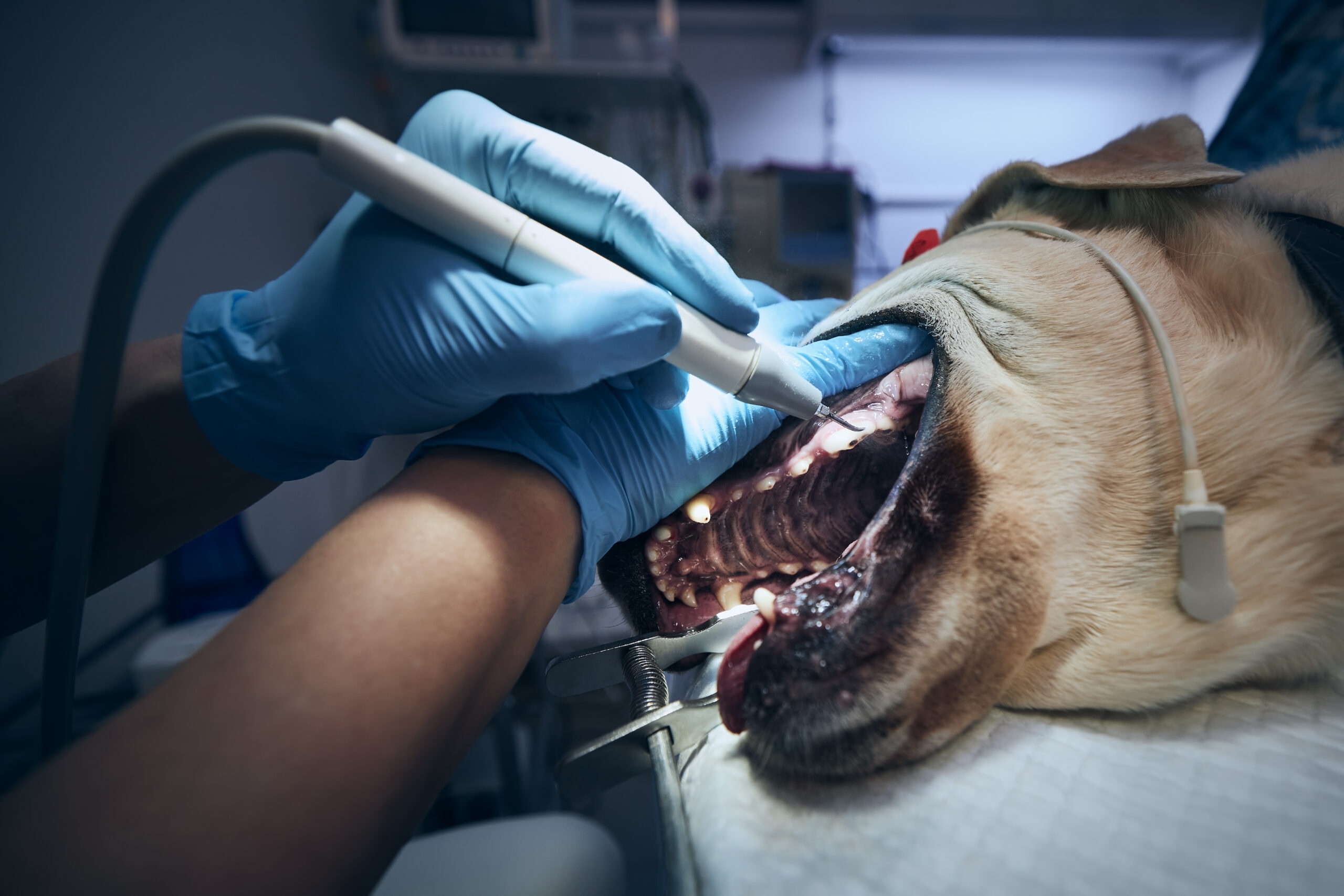
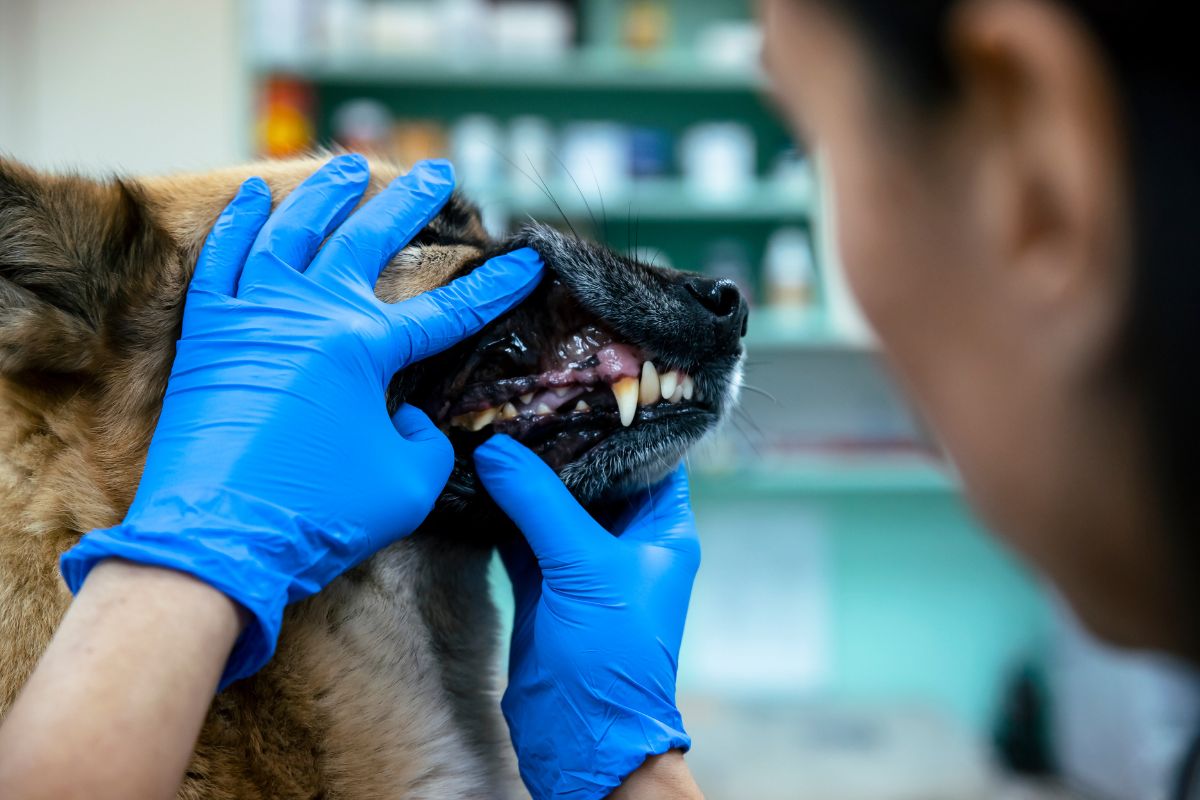
When oral issues are ignored, pets may experience chronic pain that affects appetite and mood. Many pets hide discomfort instinctively, so problems often progress silently. This is why professional support through pet dentistry is so valuable. Early dental evaluations allow veterinarians to identify issues before they escalate into infections or tooth loss, protecting your pet’s comfort and overall health.
Key Benefits for Local Pet Owners
When pet parents stay proactive about oral health, the benefits extend well beyond clean teeth:
- Improved quality of life: Pets with healthy mouths eat comfortably, play more, and maintain better energy levels.
- Lower long-term costs: Preventive care reduces the likelihood of advanced dental procedures at animal hospitals.
- Better behavior: Oral pain can cause irritability or withdrawal, which often improves once discomfort is addressed.
- Stronger overall health: Reducing oral bacteria lowers the risk of systemic infections.
- Confidence in care: Regular guidance from trusted professionals at animal clinics provides reassurance that you’re doing the right thing.
These advantages matter especially for families juggling busy schedules. Preventive oral care means fewer unexpected visits to a veterinarian hospital and more uninterrupted time enjoying life with your pet.
Practical Tips You Can Use at Home
Supporting your pet’s oral health doesn’t require complicated routines, just consistency and awareness.
Choose the right food: Ask your veterinarian about diets formulated to support dental health. Some foods are specifically designed to reduce plaque buildup while meeting nutritional needs.
Encourage appropriate chewing: Dental chews and vet-approved toys satisfy your pet’s natural urge to chew while helping clean teeth. Avoid extremely hard objects that could crack teeth.
Brush when possible: Even brushing a few times a week can significantly reduce plaque. Use pet-safe toothpaste and keep sessions short and positive.
Pay attention to warning signs: Persistent bad breath, swollen gums, drooling, or dropping food are signals to contact animal clinics for evaluation.
Home care is most effective when combined with professional monitoring, ensuring that small issues don’t turn into major problems.
How Our Veterinary Team Supports the Community
At Loving Care Animal Hospital, oral health is treated as a vital part of comprehensive wellness care. Our experienced veterinarians understand that dental needs vary based on age, breed, and lifestyle, which is why every patient receives individualized attention.
From thorough oral examinations to professional cleanings and clear home-care guidance, our team focuses on prevention, comfort, and education. We work closely with local animal hospitals and animal clinics to ensure pets receive consistent, high-quality care whenever advanced treatment is needed. For families seeking pet dental services in Palatine, IL, our approach emphasizes early intervention, modern techniques, and compassionate handling to reduce stress for both pets and owners.
Diet and chewing habits may seem like small daily details, but they have a lasting impact on your pet’s comfort and health. With the right nutrition, safe chewing routines, and regular veterinary support, many oral issues can be prevented before they cause pain. If you’ve noticed changes in your pet’s eating habits or it’s time for a routine dental check, book an appointment today and take a proactive step toward lifelong wellness for your companion in Palatine, IL.
FAQs
Q1: How often should pets receive professional dental evaluations?
Ans: Most pets benefit from annual dental exams, though some may need more frequent monitoring based on their risk factors.
Q2: Is bad breath always a sign of dental disease?
Ans: Occasional odor can be normal, but persistent bad breath often signals underlying oral issues that need attention.
Q3: Can puppies and kittens develop dental problems?
Ans: Yes, early habits and genetics can affect oral health, making preventive care important even for young pets.
Q4: Are anesthetic dental cleanings necessary?
Ans: Professional cleanings under anesthesia allow for thorough, safe treatment that can’t be achieved while pets are awake.
Q5: Do certain breeds have higher dental risks?
Ans: Smaller breeds and flat-faced pets are often more prone to dental issues and benefit from closer monitoring.
Q6: When should I contact a veterinarian hospital urgently?
Ans: If your pet shows facial swelling, bleeding gums, or sudden refusal to eat, seek care from animal clinics promptly.
Unable to locate Global Block : 69