
Noticing your cat drooling excessively, a condition known as hypersalivation or ptyalism, can be alarming. While a little drool might be normal for some cats when they’re purring blissfully or anticipating a favorite treat, persistent or unusual drooling is often a sign that something isn’t quite right.
Hypersalivation is a symptom, not a disease itself, and it indicates that your cat is producing too much saliva, having trouble swallowing it, or both. Pinpointing the underlying cause is crucial for getting your feline friend the right care.
1. Oral Health Issues: The Most Common Culprit
The vast majority of hypersalivation cases in cats stem from problems within their mouth. The oral cavity is packed with sensitive tissues, and any irritation or pain can trigger increased saliva production or make swallowing difficult.
- Dental Disease: This is the absolute leading cause. Just like humans, cats develop plaque and tartar, which can lead to gingivitis (inflamed gums) and eventually periodontal disease. Infected or inflamed gums are painful and can cause drooling.
- Tooth Resorption: A very common and painful condition in cats where parts of the tooth (often near the gum line) erode. These lesions are excruciating and frequently lead to hypersalivation.
- Stomatitis: Severe, widespread inflammation of the entire mouth, often chronic and very painful, leading to significant drooling.
- Oral Injuries: Cuts, punctures, or foreign objects stuck in the mouth (like a splinter, fishhook, or string) can cause immediate irritation and drooling.
- Oral Tumors: Growths, whether benign or malignant, in the mouth or throat can cause pain, inflammation, or physically obstruct swallowing.
2. Nausea and Gastrointestinal Upset
Just like humans, cats can drool when they feel nauseous. This is the body’s preparatory response to potential vomiting, with saliva helping to protect the esophagus and mouth.
- Motion Sickness: Traveling in a car can induce nausea, leading to drooling, especially in cats not accustomed to it.
- Hairballs: A common feline issue. As a cat struggles to pass or vomit up a hairball, nausea and excessive drooling can occur.
- Dietary Indiscretion: Eating something spoiled, indigestible, or that upsets their stomach can trigger nausea and drooling.
- Gastrointestinal Illnesses: Conditions like inflammatory bowel disease (IBD), pancreatitis, or an obstruction in the digestive tract can cause chronic nausea and drooling.
- Kidney or Liver Disease: As these organs fail, toxins can build up in the bloodstream, leading to nausea and mouth ulcers that cause drooling.
3. Exposure to Toxins or Irritants
Cats are curious creatures, and sometimes that curiosity leads them to encounter substances that irritate their mouth or digestive system.
- Poisons/Toxins: Ingesting toxic plants (lilies, sago palms, oleander), household chemicals (cleaners, insecticides), human medications, or certain foods (xylitol, chocolate) can cause immediate and severe hypersalivation. This is often accompanied by other signs like vomiting, tremors, or lethargy.
- Bitter Tastes: Some oral medications (especially liquid ones) have a very bitter taste that can instantly cause a cat to drool excessively. This is a short-lived reaction.
- Contact with Irritants: Licking certain irritants, like toads (which secrete toxins) or even just getting a bad taste in their mouth, can cause drooling.
4. Neurological Issues
Less common but possible, neurological problems can affect a cat’s ability to swallow or control saliva production.
- Seizures: During or after a seizure, cats may drool excessively due to loss of muscle control.
- Facial Nerve Damage: Damage to nerves controlling facial muscles or salivary glands can impair swallowing or regulate saliva flow.
- Rabies (Extremely Rare in Vaccinated Cats): While highly unlikely in vaccinated indoor cats, rabies can cause neurological signs, including profuse drooling (foaming at the mouth) due to an inability to swallow. This is a severe, fatal disease.
When to See the Vet
If you notice your cat drooling unusually, especially if it’s persistent, accompanied by other symptoms, or your cat seems distressed, a trip to the veterinarian is always warranted.
Seek immediate veterinary attention if drooling is accompanied by:
- Vomiting or diarrhea
- Lethargy or weakness
- Loss of appetite
- Difficulty breathing or swallowing
- Paw-licking (indicating oral pain)
- Any signs of pain or discomfort
- Suspected toxin exposure
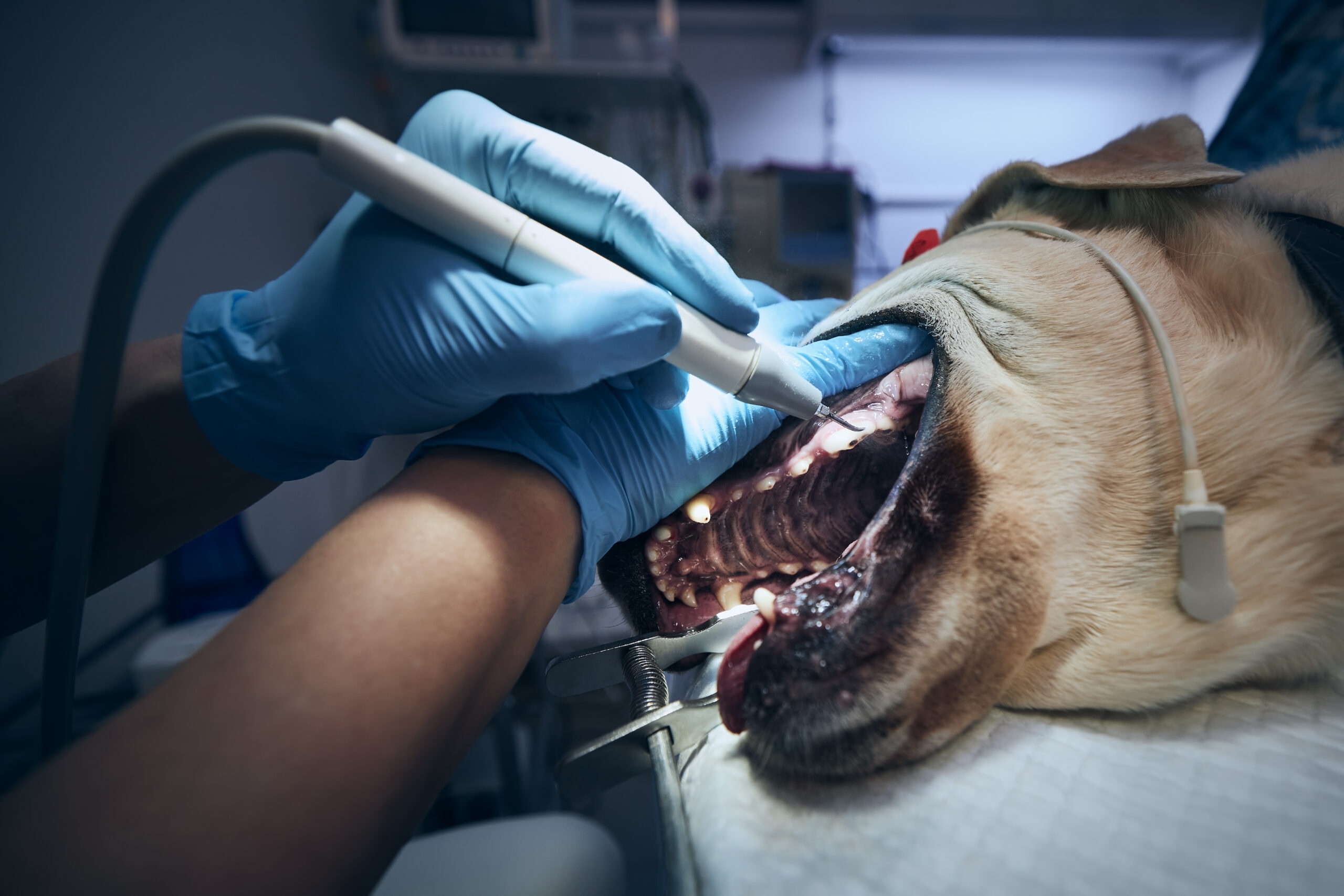
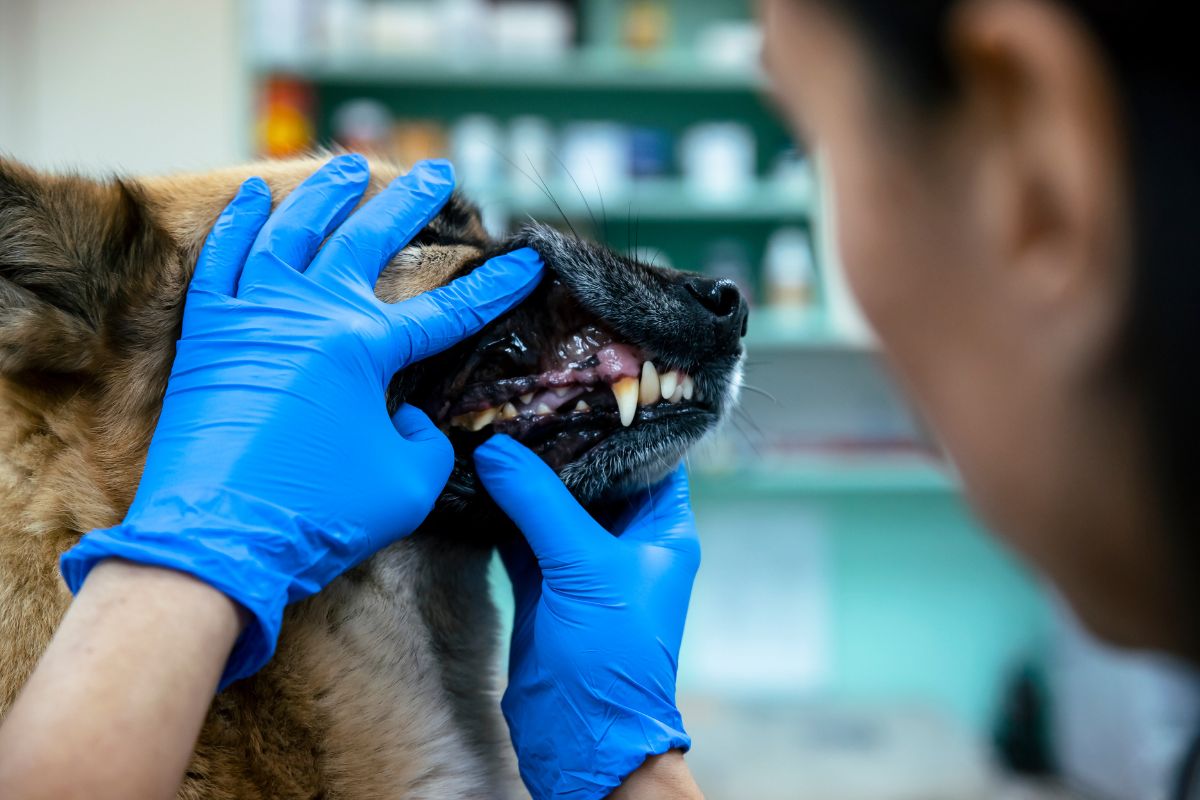
Your vet will perform a thorough physical examination, focusing on the oral cavity. They may recommend blood tests, X-rays, or other diagnostics to pinpoint the underlying cause. Once the cause is identified, appropriate treatment, ranging from dental procedures to professional dental care or dietary changes, can begin, helping your beloved cat return to their happy, drool-free self. Early intervention is always best for a swift recovery.
Unable to locate Global Block : 69