

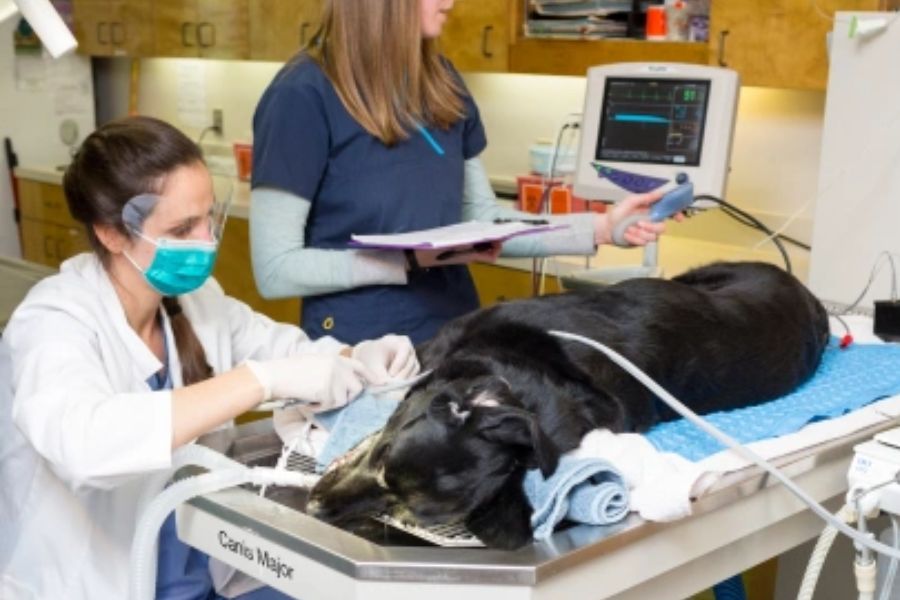
No pet owner ever wants to face a crisis, but emergencies happen fast. Whether it’s a sudden accident, unexpected illness, or strange behavior that raises concern, knowing where to go and what to do can make all the difference. That’s why being familiar with what happens at an emergency vet clinic in Palatine, IL, is not just helpful—it’s essential.
Understanding Emergency Animal Hospitals: What Sets Them Apart?
Emergency animal hospitals are not like your regular vet’s office. They operate 24/7 or during extended hours to provide immediate medical attention. Staffed by highly trained veterinary professionals, these clinics are equipped to handle trauma, poisoning, seizures, and other life-threatening conditions.
Unlike standard appointments, there’s no time to wait. Urgent vet clinics jump into action the moment your pet arrives.
Signs Your Pet Needs Emergency Care
Recognizing the signs of a true emergency can be lifesaving. Here are some red flags:
- Difficulty breathing
- Continuous vomiting or diarrhea
- Seizures
- Collapse or unresponsiveness
- Swollen or bloated abdomen
- Bleeding that doesn’t stop
- Dangers from oil-type toxic substances injection
If your pet shows any of these symptoms, head straight to the nearest urgent vet clinic in Palatine, IL.
What Happens When You Arrive?
1. Triage and Immediate Assessment
Time is critical. Upon arrival, your pet will be evaluated through triage. This process helps prioritize cases based on severity. Pets in the most serious condition will be treated first.
2. Diagnostic Testing and Monitoring
Once stabilized, vets may conduct blood tests, X-rays, ultrasounds, or other diagnostics. These help identify internal injuries or underlying conditions that aren’t immediately visible.
3. Treatment and Procedures
Depending on the situation, your pet may need IV fluids, oxygen therapy, surgery, or medication. Throughout the process, the team will communicate with you and seek consent for major procedures.
4. Stabilization or Hospitalization
Some pets can go home the same day. Others may need overnight monitoring or extended hospitalization, especially if surgery or intensive care is involved.
Preparing for an Emergency: Be Proactive, Not Panicked
It’s impossible to predict emergencies, but you can be prepared:
- Keep your vet’s and the nearest clinic’s contact info on hand.
- Save GPS directions on your phone or in your car.
- Store medical records in a cloud folder for quick access.
- Be aware of your pet’s medications, allergies, and vaccination history.
- Have a pet emergency kit ready.
Planning can help you stay calm when panic sets in.
Communication Matters: Ask Questions
During a crisis, communication is key. Don’t hesitate to ask:
- What tests are being done?
- What are the possible diagnoses?
- What are the treatment options and risks?
- What’s the cost estimate?
A reputable emergency dog hospital will walk you through everything.
Aftercare: Supporting Your Pet’s Recovery
Once your pet returns home, continue following the care plan provided by the clinic. This might include:
- Administering medications
- Scheduling follow-ups with your primary vet
- Monitoring appetite, mood, and energy levels
- Keeping the wound clean (if applicable)
Recovery is a team effort—your attentiveness is crucial for full healing.
In an emergency, knowing what to expect can ease fear and confusion. An emergency vet clinic in Palatine, IL, plays a critical role in your pet’s health when minutes matter most. Stay informed, stay calm, and remember—being prepared isn’t just smart, it’s part of being a responsible pet parent.
6 Frequently Asked Questions (FAQs)
1. How do I know if it’s an emergency?
A: If you’re unsure, always call. It’s better to be cautious than too late. Emergency vet staff can advise you on the phone.
2. Do I need an appointment for an emergency clinic?
A: No. These clinics operate on a walk-in basis to treat urgent cases immediately.
3. Are emergency services more expensive?
A: Yes, due to expert care and round-the-clock staffing. However, most clinics provide cost estimates upfront.
4. What should I bring with me to the emergency vet?
A: Bring ID, payment method, your pet’s medical history, and any medications they’re taking.
5. Can I stay with my pet during treatment?
A: That depends on the clinic’s policy. Some allow you to be present during exams, while others prioritize sterility in critical care areas.
6. How long will the visit take?
A: It varies. Some visits last under an hour; others require several hours of treatment or overnight stays.



Unable to locate Global Block : 69