


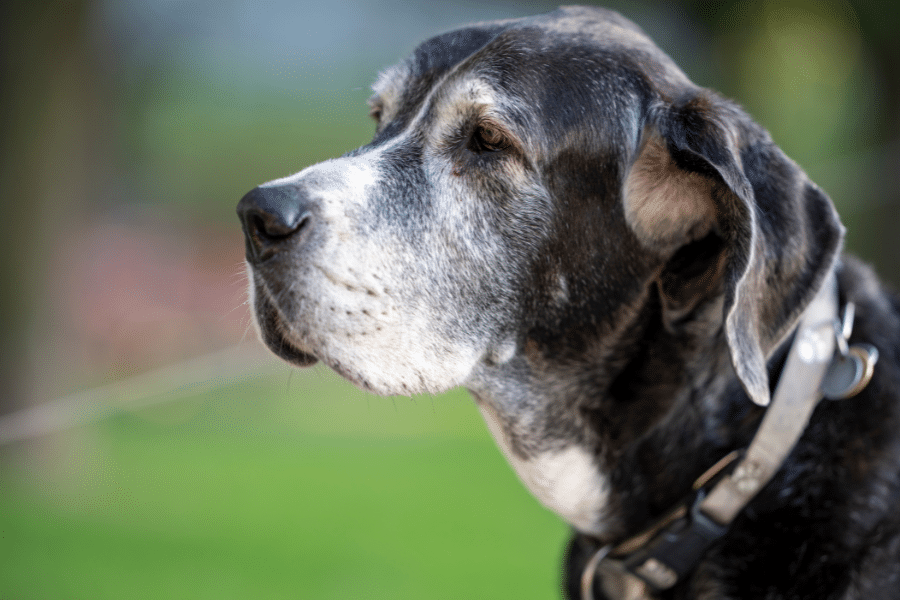
Our furry companions bring us immeasurable joy and companionship throughout their lives. As they age, their needs change, requiring us to adapt our care to ensure their comfort and well-being. Just like humans, senior pets can experience various age-related health issues, making it crucial to understand how to provide the best possible care during their golden years.
Regular Veterinary Check-ups: The Cornerstone of Senior Pet Care
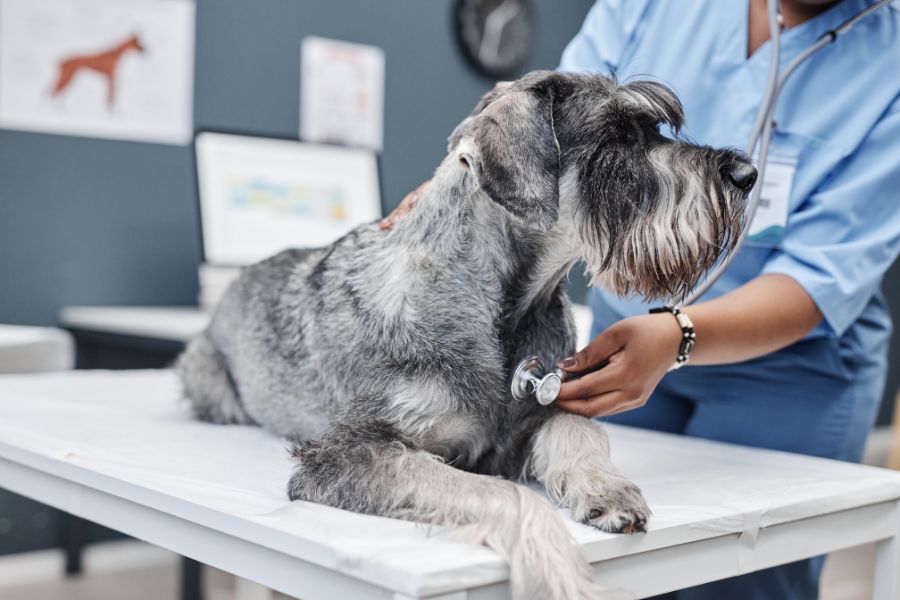
Regular veterinary check-ups are one of the most essential aspects of caring for senior pets. Older pets benefit from more frequent visits, ideally every six months, rather than annually. These check-ups allow your veterinarian to monitor your pet’s health, detect potential problems early, and manage existing conditions. Blood work, urinalysis, and other diagnostic tests can reveal underlying issues that may not be immediately apparent.
Nutritional Adjustments: Fueling Their Golden Years
As pets age, their metabolism slows, and their nutritional needs change. Senior pets often require diets that are lower in calories and higher in fiber to maintain a healthy weight and support digestive health. Look for food explicitly formulated for senior pets, and consult your veterinarian for personalized recommendations. Additionally, ensure they can always access fresh, clean water.
Creating a Comfortable Environment: Adapting to Their Needs
Older pets may experience mobility issues, such as arthritis, making navigating stairs or jumping onto furniture difficult. Provide them with comfortable bedding, ideally orthopedic beds that support their joints. Consider using ramps or steps to help them access their favorite spots. Keep their environment calm and stress-free, as senior pets are more sensitive to changes and loud noises.
Mental Stimulation: Keeping Their Minds Active
Mental stimulation is crucial for maintaining cognitive function in senior pets. Engage them in gentle play, puzzle toys, and short walks. Even simple activities like hiding treats can keep their minds sharp. Regular interaction and affection are also vital for their emotional well-being.
Monitoring for Changes: Recognizing Signs of Aging
Be vigilant in observing your senior pet for any behavioral, appetite, or physical condition changes. Common signs of aging include:
- Decreased activity levels
- Changes in sleep patterns
- Weight loss or gain
- Increased thirst or urination
- Lumps or bumps
- Cognitive decline (e.g., confusion, disorientation)
If you notice any of these signs, consult your veterinarian immediately. Early detection and treatment can significantly improve your pet’s quality of life.
Pain Management: Ensuring Comfort and Mobility
Many senior pets experience chronic pain from conditions like arthritis. Your veterinarian can recommend pain management strategies, including medication, physical therapy, and acupuncture. Never administer human pain medication to your pet, as it can be toxic.
Grooming and Hygiene: Maintaining Their Well-Being
Regular grooming is essential for senior pets. Gentle brushing can help remove loose fur and stimulate circulation. Pay close attention to their nails, as they may become brittle and require more frequent trimming. Dental care is also crucial; regular teeth cleaning can prevent periodontal disease and other oral health issues.
Conclusion:
Remember, your senior pet has given you years of unconditional love and companionship. As they enter their golden years, they rely on you more than ever for comfort, care, and support. By taking a proactive approach to their health and well-being, you can ensure they enjoy a comfortable, happy, and fulfilling life. Understanding their changing needs, seeking professional veterinary guidance, and providing a loving environment will help you navigate this special time together. Your patience, understanding, and gentle care will make all the difference in their quality of life, allowing you to cherish every precious moment.

Unable to locate Global Block : 69