
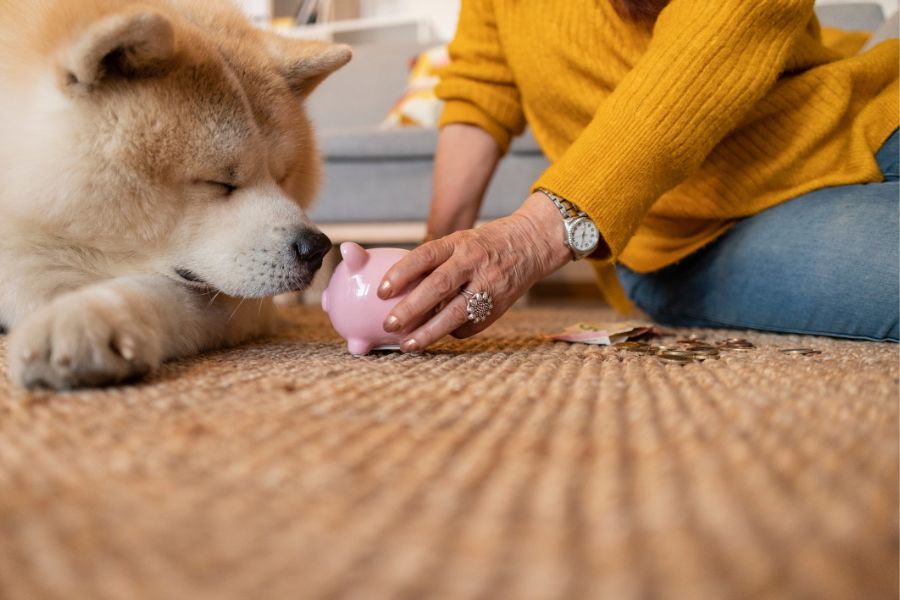
As pets enter their golden years, their nutritional needs begin to change. Because aging brings shifts in metabolism, digestion, and overall health, a carefully chosen diet becomes essential.
When the right nutrients are provided, senior pets can enjoy improved energy levels, better mobility, and enhanced quality of life. This guide explores how to select the ideal diet for older dogs and cats while highlighting practical tips to keep them healthy and comfortable.
Understanding the Nutritional Needs of Senior Pets
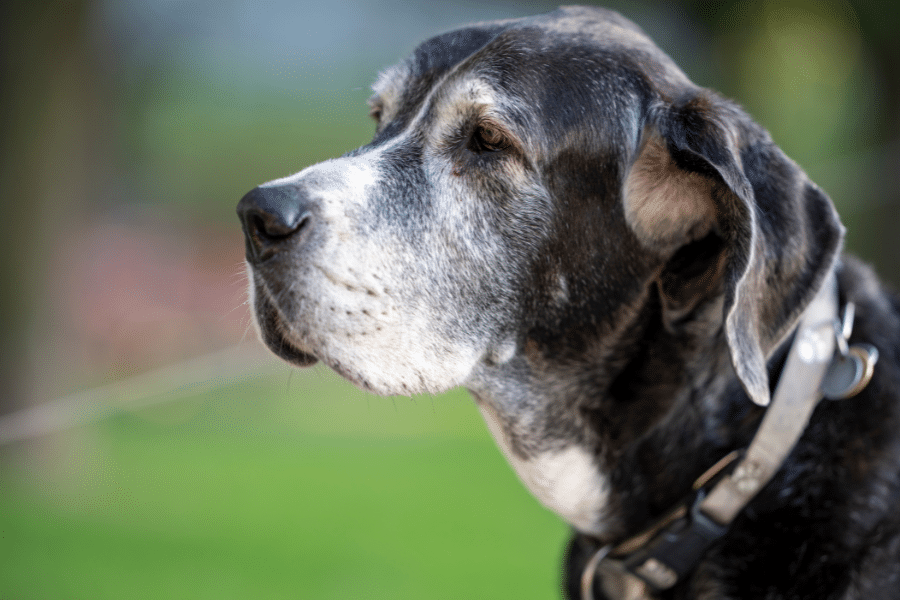
While every pet ages differently, most dogs and cats are considered seniors around the age of seven. At this stage, the body’s ability to absorb nutrients gradually slows down. Additionally, changes in organ function, weight, and activity levels make nutritional adjustments necessary.
To begin with, lower metabolic rates are commonly seen in senior pets, which means fewer calories may be required to maintain a healthy weight. However, food should remain nutrient-dense to provide essential vitamins, minerals, and antioxidants. Moreover, the digestive system becomes more sensitive, so easily digestible ingredients are preferred.
Balancing Calories and Weight Management
Maintaining a healthy weight is one of the biggest challenges for older dogs and cats. Because weight gain can increase the risk of conditions such as diabetes, joint pain, or heart disease, calorie control is extremely important.
For overweight senior pets, specially formulated low-calorie diets are often recommended. On the other hand, some pets may lose weight due to muscle loss or underlying conditions. In such cases, diets higher in protein and healthy fats may be suggested. Therefore, weight trends should always be monitored, and dietary changes should be made only after consulting a veterinarian.
The Importance of High-Quality Protein
Protein is vital for preserving muscle mass in aging pets. However, senior pets often require highly digestible protein sources to avoid placing unnecessary stress on the kidneys. Ingredients such as chicken, turkey, eggs, and fish are excellent choices, as they provide amino acids essential for maintaining strength and mobility.
Even though high-protein diets may be beneficial, adjustments should be made if kidney disease or liver issues are present. Because medical conditions can affect protein tolerance, individualized plans are often recommended by veterinarians.
Healthy Fats and Omega-3 Fatty Acids
Healthy fats continue to play a significant role in senior pet nutrition. While fats provide energy, certain types—especially omega-3 fatty acids—offer additional benefits. Omega-3s, commonly found in fish oil and flaxseed, are known to support cognitive function, reduce inflammation, and improve joint health.
Although fat is important, excessive fat intake may cause digestive issues or weight gain. Therefore, controlled and balanced fat levels are preferred for maintaining overall wellness.
Fiber for Digestive Health
As pets age, digestive issues become more common. Increased fiber intake can support healthy digestion, regulate bowel movements, and promote colon health. Soluble fiber, such as pumpkin or oats, is gentle and beneficial for sensitive stomachs, while insoluble fiber supports regularity.
However, diets too high in fiber may interfere with nutrient absorption, so fiber levels should be balanced. Digestive supplements or senior-specific formulas are commonly used to promote gut health without overwhelming the digestive system.
Essential Vitamins and Minerals
Older pets benefit greatly from diets enriched with vitamins and minerals. Antioxidants such as vitamin E, vitamin C, and beta-carotene help reduce oxidative stress and support immune function. Additionally, vitamins B6 and B12 may improve energy levels and support cognitive health.
Minerals like calcium, phosphorus, and magnesium must be carefully balanced to maintain bone strength and metabolic function. Senior pet diets are typically formulated to meet these needs without exceeding safe levels.
Joint Support Through Nutrition
Joint pain and arthritis are common in senior dogs and cats. Nutritional ingredients such as glucosamine, chondroitin, and MSM are frequently included in senior formulas to support cartilage and reduce inflammation. Omega-3 fatty acids also contribute to improved mobility by decreasing joint stiffness.
Although supplements can be beneficial, they should be selected carefully, and dosages should be discussed with a veterinarian. When combined with a balanced diet, joint-supportive nutrients can help pets stay active and comfortable.
Hydration and Kidney Health
Because older pets may drink less water or experience declining kidney function, proper hydration becomes crucial. Wet food is often recommended since it increases moisture intake and supports urinary health. Additionally, broths or water toppers may be added to meals to ensure adequate hydration.
Kidney-friendly diets with controlled protein, phosphorus, and sodium levels may be suggested for pets with kidney-related concerns. Regular monitoring through veterinary checkups is essential to adjust the diet as needed.
Choosing Between Commercial and Homemade Diets
Senior pets can benefit from both commercial and homemade diets, but each option requires careful planning. Commercial diets formulated for senior dogs and cats are convenient and nutritionally balanced. Moreover, they undergo quality checks to ensure safety and consistency.
Homemade diets, on the other hand, allow for full control over ingredients. However, they should be designed with professional guidance to ensure they meet all nutritional requirements. Without proper balance, deficiencies or excesses can occur.
Transitioning to a Senior Diet
When switching your pet to a senior-specific formula, a gradual transition is recommended. Sudden changes can upset the stomach and lead to vomiting or diarrhea. A slow transition over 7 to 10 days allows the digestive system to adjust comfortably.
Additionally, mealtime routines should remain consistent to prevent stress. Smaller, more frequent meals are often better tolerated by senior pets and can support gradual nutrient absorption.
When to Consult a Veterinarian
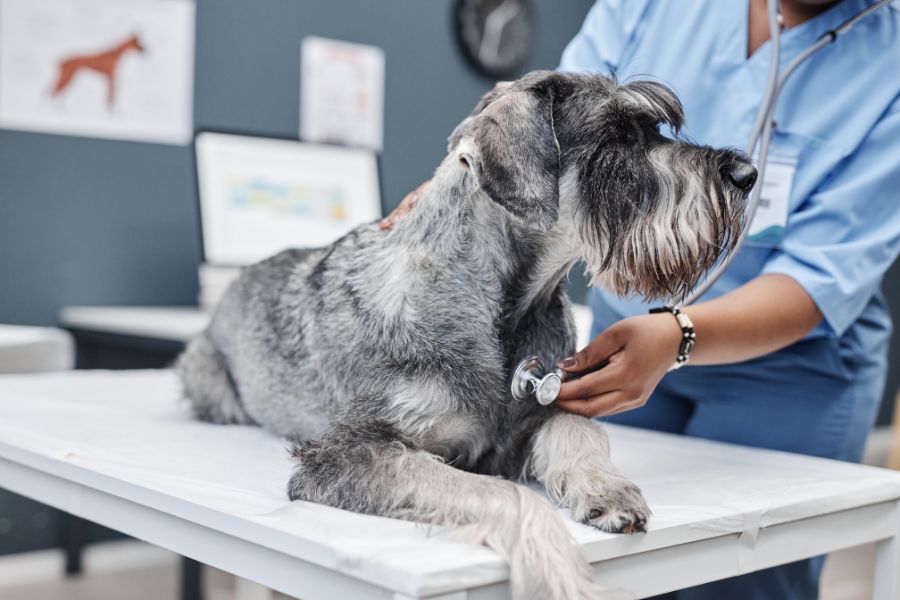
While general nutrition tips can be helpful, professional guidance is essential for senior pets. Conditions such as diabetes, thyroid disease, dental issues, and kidney problems can significantly impact dietary needs. Therefore, veterinary advice should always be sought before making major dietary changes.
For pet owners seeking reliable guidance, Senior Pet Care in Palatine can be explored as a helpful resource for understanding the nutritional and health needs of older dogs and cats.
Nutrition plays a key role in supporting the health, comfort, and longevity of senior pets. By choosing digestible proteins, controlled fats, balanced fiber, and essential vitamins, pet owners can ensure that their aging dogs and cats receive everything they need to thrive. With thoughtful planning, regular veterinary support, and a diet tailored to their changing needs, senior pets can continue to enjoy their golden years with comfort and vitality.
If the correct diet is selected and monitored consistently, the senior years of your beloved pet can remain fulfilling, active, and joyful.

Unable to locate Global Block : 69