
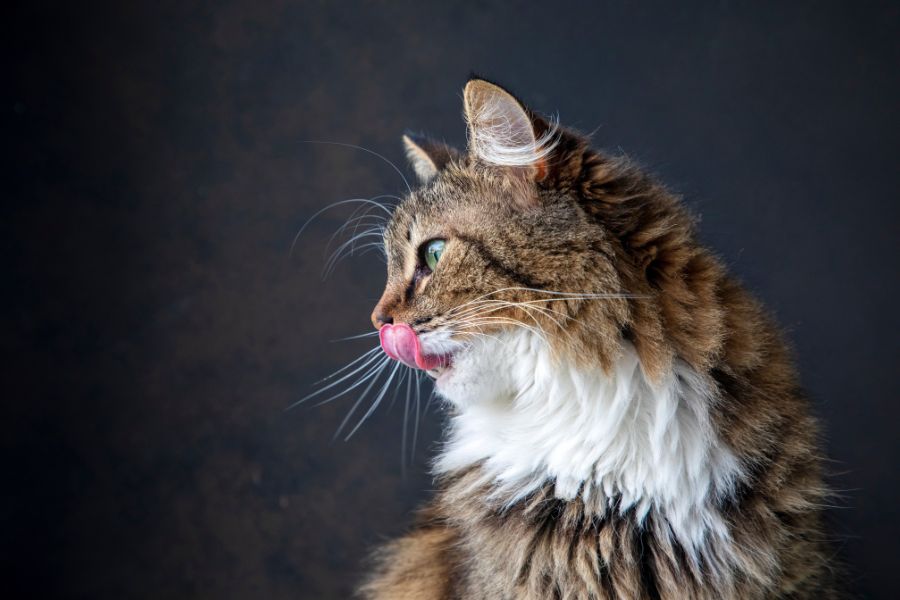
As cats grow older, their health needs begin to change. You may notice subtle differences in their behavior, appetite, grooming habits, or even how much they drool. While a small amount of drooling can be normal in some situations, excessive or sudden drooling in a senior cat is often a sign that something isn’t right.
Understanding the possible causes behind drooling can help pet parents act quickly and protect their cat’s comfort and quality of life. In this guide, we’ll explore why senior cats drool, when it becomes a concern, and how proper senior pet care can make a lasting difference.
Is Drooling Normal in Senior Cats?
Unlike dogs, cats do not usually drool very much. A relaxed cat might drool slightly while purring or being petted, but consistent or heavy drooling is not typical—especially in older cats.
If your senior cat suddenly starts drooling more than usual, or if the drooling is accompanied by other symptoms like bad breath, weight loss, or difficulty eating, it’s time to investigate further.
Common Causes of Drooling in Senior Cats
1. Dental Disease
Dental problems are the most common reason senior cats drool. As cats age, plaque and tartar can build up, leading to gum inflammation (gingivitis), periodontal disease, and tooth infections.
Signs of dental disease include:
- Bad breath
- Red or swollen gums
- Difficulty chewing
- Dropping food while eating
- Pawing at the mouth
Pain from infected teeth or inflamed gums often causes excessive saliva production. Regular dental exams are a key part of senior pet care and can prevent serious oral issues.
2. Oral Infections or Mouth Ulcers
Senior cats may develop mouth ulcers due to infections, immune disorders, or other underlying illnesses. These sores can be extremely painful and lead to drooling.
You might also notice:
- Reluctance to eat
- Bleeding from the mouth
- Weight loss
- Irritability
A trusted animal hospital can perform a thorough oral exam to identify ulcers or hidden infections.
3. Kidney Disease
Chronic kidney disease is common in older cats. As toxins build up in the bloodstream, they can cause nausea and painful mouth ulcers, both of which may lead to drooling.
Other symptoms of kidney disease include:
- Increased thirst
- Frequent urination
- Weight loss
- Vomiting
- Lethargy
Early diagnosis through bloodwork is essential. Ongoing senior pet care visits help detect kidney disease before it becomes advanced.
4. Nausea or Gastrointestinal Problems
Just like people, cats may drool when they feel nauseous. Digestive issues, liver disease, pancreatitis, or certain medications can trigger nausea and excess saliva.
Watch for:
- Lip licking
- Swallowing repeatedly
- Vomiting
- Decreased appetite
If drooling is paired with vomiting or appetite changes, your cat should be evaluated promptly.
5. Exposure to Toxins
Cats are very sensitive to toxins. Ingesting certain houseplants, human medications, cleaning products, or even flea treatments meant for dogs can cause drooling.
Common toxic triggers include:
- Lilies
- Household cleaners
- Essential oils
- Human pain relievers
Toxin-related drooling often appears suddenly and may be accompanied by vomiting, tremors, or weakness. This situation requires immediate medical attention.
6. Oral Tumors
Unfortunately, oral cancer is more common in senior cats. Tumors in the mouth can cause persistent drooling, sometimes mixed with blood.
Warning signs include:
- Swelling in the mouth
- Difficulty eating
- Weight loss
- Bad breath
- Facial swelling
Early detection improves treatment options. Routine exams at a trusted animal hospital in Palatine can help identify abnormalities early.
7. Pain or Stress
Cats may drool when they are in severe pain or highly stressed. Transportation, unfamiliar environments, or medical discomfort can trigger temporary drooling episodes. However, ongoing drooling should never be ignored, especially in older cats.
When Should You Be Concerned?
Drooling becomes a concern if it is:
- Sudden or excessive
- Accompanied by appetite loss
- Paired with bad breath or bleeding
- Combined with vomiting or lethargy
- Ongoing for more than 24 hours
Senior cats are experts at hiding pain. If something feels “off,” trust your instincts and schedule an exam.
Diagnosis: What to Expect at the Vet Visit
When you bring your cat to a trusted animal hospital in Palatine, IL, the veterinarian will begin with a full physical exam. The mouth will be carefully inspected for dental disease, ulcers, foreign objects, or masses.
Depending on findings, additional tests may include:
- Dental X-rays
- Bloodwork
- Urinalysis
- Imaging (X-rays or ultrasound)
- Biopsy (if a mass is found)
These tests help identify whether drooling is caused by oral pain, systemic disease, or another underlying condition.
Treatment Options for Senior Cat Drooling
Treatment depends on the root cause. Here are common approaches:
Dental Cleaning or Tooth Extraction
If dental disease is responsible, a professional cleaning or tooth removal may be necessary. Addressing oral pain often resolves drooling quickly.
Medications
Antibiotics, anti-nausea medications, pain relievers, or anti-inflammatory drugs may be prescribed depending on the diagnosis.
Fluid Therapy
For kidney disease or dehydration, fluid therapy may be recommended to support organ function.
Surgery
If an oral tumor is diagnosed, surgical removal may be considered. Your veterinarian will discuss all available options.
Ongoing Senior Pet Care
Chronic conditions like kidney disease require monitoring and long-term management. Routine wellness visits are essential for maintaining comfort and extending quality of life.
Preventing Drooling Issues in Senior Cats
While not all causes can be prevented, many drooling issues can be reduced through proactive care.
1. Schedule Regular Exams
Senior cats should visit a trusted animal hospital at least twice a year. Routine exams help catch dental disease, kidney issues, and other age-related conditions early.
2. Maintain Dental Health
- Brush your cat’s teeth if possible
- Use vet-approved dental diets
- Consider dental treats designed for cats
- Schedule professional cleanings as recommended
3. Monitor Eating Habits
Changes in chewing behavior, food dropping, or appetite shifts may signal oral pain.
4. Keep Toxic Substances Out of Reach
Remove harmful plants and store medications securely.
5. Watch for Behavioral Changes
Senior pet care involves paying attention to subtle changes. Drooling, hiding, aggression, or decreased grooming may all signal discomfort.
Why Senior Pet Care Matters
As cats age, preventive care becomes even more important. In communities like Palatine, pet families want their companions to enjoy comfortable golden years.
Consistent checkups, dental evaluations, and routine lab work allow early detection of many conditions that cause drooling. A trusted animal hospital understands the unique needs of older cats and offers tailored care plans designed to maintain comfort and mobility.
Older cats may not show dramatic symptoms at first. That’s why ongoing senior pet care is one of the most valuable investments you can make for your feline friend.
Helping Your Senior Cat Stay Comfortable
If your cat is drooling, start by observing closely:
- Is your cat eating normally?
- Is there a foul odor from the mouth?
- Are there signs of weight loss?
- Has behavior changed?
Take note of when the drooling started and any additional symptoms. Sharing this information during your appointment helps your veterinarian determine the next steps. Prompt senior pet care can relieve pain, prevent complications, and improve your cat’s overall well-being.
FAQs
1. Is it normal for older cats to drool while sleeping?
Ans: Mild drooling during deep relaxation can happen occasionally. However, frequent or heavy drooling in a senior cat should be evaluated to rule out dental or medical issues.
2. Can dental disease cause sudden drooling?
Ans: Yes, advanced dental disease, tooth abscesses, or gum infections can cause sudden and excessive drooling in senior cats.
3. How often should senior cats have dental checkups?
Ans: Senior cats should have dental evaluations at least once a year, though twice-yearly exams are ideal for proper senior pet care.
4. What are the signs that drooling is an emergency?
Ans: Seek immediate care if drooling is paired with toxin exposure, vomiting, tremors, weakness, bleeding, or difficulty breathing.
5. Can kidney disease cause drooling in cats?
Ans: Yes, kidney disease can lead to nausea and painful mouth ulcers, both of which may cause excessive drooling.
6. How can I reduce my senior cat’s risk of drooling problems?
Ans: Regular exams, professional dental cleanings, balanced nutrition, toxin prevention, and consistent senior pet care visits at a trusted animal hospital in Palatine, IL can significantly lower risks.
Unable to locate Global Block : 69