

Understanding a cat’s growth timeline is essential for providing proper care during each life stage. Although kittens grow rapidly in their early months, their development does not follow a simple, one-size-fits-all pattern.
Many pet owners often ask, “when do cats stop growing?” and the answer depends on breed, genetics, nutrition, and overall health. This guide will walk through the major milestones of feline growth, helping you understand how your cat matures and what changes should be expected along the way.
The Early Weeks: Birth to 8 Weeks
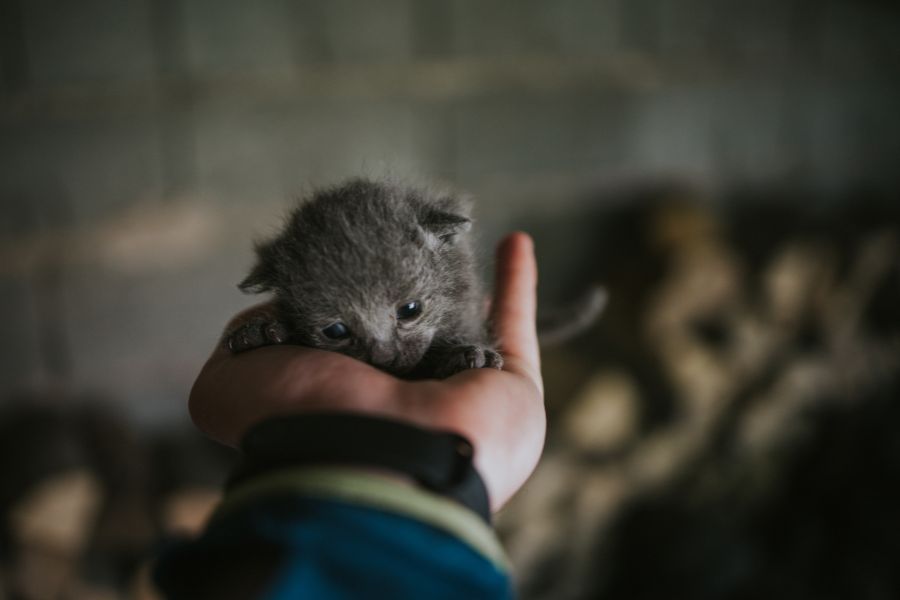
During the first eight weeks, the most dramatic physical and behavioral changes occur. Growth is extremely rapid, and kittens typically double or triple their birth weight within the first couple of weeks. Their eyes open, their coordination improves, and their curiosity develops quickly.
Although this period is short, it sets the foundation for all future growth. Proper nutrition, maternal care, and safe surroundings are crucial. Even at this early stage, many pet parents start wondering when cats stop growing, especially because the pace of development seems so fast.
The Juvenile Stage: 2 to 6 Months
Between two and six months, growth remains steady. This is the phase when kittens become more energetic, social, and inquisitive. They begin exploring, playing, and developing motor skills. Their baby teeth fall out, and adult teeth emerge, signaling significant developmental progress.
By four to six months, kittens reach about half their adult size. Their long limbs, oversized ears, and sometimes awkward appearance may make owners question how much more growth is expected. Although growth is noticeable, the question “when do cats stop growing?” cannot be answered just yet, because substantial development continues beyond this age.
Adolescent Growth: 6 to 12 Months
From six months to one year, growth gradually slows down. Adult body proportions begin to form, and muscle mass develops. Most cats achieve their adult height by the time they reach one year old, though their weight continues to shift.
Hormonal changes also emerge during adolescence. Spaying or neutering during this phase may slightly influence weight, but does not prevent natural skeletal growth. This period is also ideal for regular health exams with a Palatine veterinarian to ensure healthy development and proper nutrition.
Even though your cat may look grown by twelve months, it is still not fully accurate to say that is when cats stop growing. Some breeds and individuals continue maturing well into their second year.
The Young Adult Phase: 1 to 2 Years
Most cats complete the majority of their physical growth between one and two years of age. During this phase, their bodies fill out, muscles strengthen, and coordination improves. Many cats also reach their ideal weight at this time.
However, breed plays a significant role. For example:
- Small and medium breeds such as domestic shorthairs often reach full size by 12–18 months.
- Large breeds such as Maine Coons or Norwegian Forest Cats may continue growing until they reach 3–4 years of age.
Because there is such variation, answering “when do cats stop growing” requires an understanding of your cat’s breed and genetics. Nonetheless, most pet owners observe noticeable slowing of growth during this phase.
Factors That Influence Feline Growth
While timelines offer general guidance, several factors influence how quickly—and how long—a cat grows.
1. Breed
As mentioned, larger breeds naturally grow for longer periods. Genetic predisposition plays a major role in the final size and growth duration of each cat.
2. Nutrition
Proper nutrition is essential during all growth phases. Kittens require diets formulated for development. Poor or inadequate nutrition may slow growth, while high-quality diets support healthy body structure.
3. Health
Illnesses, parasites, and hormonal imbalances can affect growth speed. Regular veterinary checkups help ensure that development is progressing normally.
4. Environment
Stress-free, enriched environments encourage healthy physical and behavioral growth. Safe play, climbing opportunities, and socialization all enhance development.
Because these factors vary widely, determining precisely when cats stop growing requires careful observation and awareness of individual needs.
Signs Your Cat Has Reached Full Size
Although growth may be subtle, several signs suggest your cat has reached maturity:
- A consistent weight maintained for several months
- Fully developed muscle tone
- Adult coat texture is settling in
- Decrease in lankiness or awkward body proportions
Once these signs appear, it becomes easier to estimate when cats stop growing, though slight changes in muscle mass may continue with age and activity levels.
How to Support Healthy Growth
Supporting healthy development throughout your cat’s growth stages involves:
- Feeding balanced kitten food during the first year (or longer for large breeds)
- Scheduling routine checkups
- Encouraging play and exercise
- Providing a safe environment free of hazards
- Monitoring weight and body condition
By following these steps, pet owners can ensure that their cats grow steadily and safely, regardless of how long the growth process lasts.
Feline growth is a fascinating journey, and although kittens grow rapidly in the beginning, their development continues well beyond the first year. For most cats, growth is largely complete between 12 and 18 months, but some take up to several years to finish maturing. Therefore, the question “when do cats stop growing?” does not have a single, universal answer. Instead, it depends on multiple factors such as breed, nutrition, and overall health.
By understanding each growth phase and providing the right care at the right time, pet owners can support a lifetime of health and well-being for their feline companions.
Frequently Asked Questions(FAQs):
1. At what age are most cats fully grown?
A: Most cats are fully grown between 12 and 18 months, although some larger breeds continue growing into their third or fourth year.
2. Do male cats grow larger than female cats?
A: Yes, male cats are typically larger, but the difference varies by breed and individual genetics.
3. Does neutering or spaying affect growth?
A: Spaying or neutering may slightly influence weight gain, but it does not stop or stunt natural skeletal growth.
4. How can I tell if my cat is still growing?
A: Gradual weight increases, changes in muscle definition, and shifting body proportions may indicate ongoing growth.
5. Do indoor and outdoor cats grow differently?
A: Indoor cats may gain weight more easily due to less activity, but their overall growth pattern is not significantly different as long as nutrition is balanced.
Unable to locate Global Block : 69