

Dental health is one of the most overlooked parts of a dog’s overall wellness. Many pet owners assume bad breath or tartar buildup is normal, but dental disease can become serious if left untreated. The problem is that most dental issues start below the gumline, where they can’t be seen with the naked eye.
That’s where veterinary dental imaging becomes so important. With the help of advanced dental X-rays, veterinarians can detect hidden problems early and protect your dog from pain, infection, and even tooth loss. In this blog, we’ll explain how dental imaging works, why it matters, and how it can truly help save your dog’s teeth.
What Is Veterinary Dental Imaging?
Veterinary dental imaging refers to dental X-rays used to look beneath your dog’s gums. Unlike regular exams that only show the surface of the teeth, imaging reveals what’s happening underneath, including:
- Tooth roots
- Bone structure
- Hidden infections
- Damage below the gumline
Dogs can’t tell us when their mouth hurts, so these images give veterinarians a complete picture of oral health. Dental imaging is one of the most effective tools in modern pet dental services because it allows problems to be caught early, before they become severe.
Why Dental Problems Are Often Hidden in Dogs
Over 60% of a dog’s tooth structure is located below the gumline. This means a tooth may look healthy from the outside, but there could be a serious disease underneath.
Some common hidden issues include:
- Root infections
- Bone loss
- Abscesses
- Fractured teeth
- Tumors or cysts
Without imaging, these conditions may go unnoticed until they cause significant pain or require tooth extraction. Veterinary dental imaging helps veterinarians diagnose these problems before they worsen.
How Dental X-Rays Help Save Your Dog’s Teeth
Dental imaging isn’t just about finding problems; it’s about preserving teeth whenever possible.
Here’s how it helps:
1. Detecting Disease Early
Early-stage dental disease may not show obvious symptoms. X-rays allow veterinarians to spot changes in the tooth roots and surrounding bone before major damage occurs. Early treatment can prevent tooth loss and improve your dog’s comfort.
2. Identifying Teeth That Can Be Saved
Sometimes a tooth appears damaged, but imaging shows the root is still healthy. In these cases, treatment options may save the tooth instead of removing it. This is one reason dental imaging is so valuable in pet dental services.
3. Preventing Painful Infections
Dental infections can spread quickly. An untreated abscess can lead to swelling, fever, and serious health complications. Imaging helps locate infection early so your veterinarian can treat it before it becomes dangerous.
4. Supporting Safe Extractions When Needed
If extraction is necessary, X-rays help veterinarians see the tooth roots clearly, reducing complications and ensuring the safest procedure possible.
Signs Your Dog May Need Dental Imaging
Many dogs hide dental pain, but there are signs you can watch for:
- Bad breath that doesn’t go away
- Difficulty chewing
- Drooling more than usual
- Pawing at the mouth
- Red or bleeding gums
- Loose or broken teeth
- Swelling around the face
If you notice any of these symptoms, it may be time to search for a vet near you who offers advanced pet dental services.
What Happens During a Veterinary Dental Imaging Procedure?
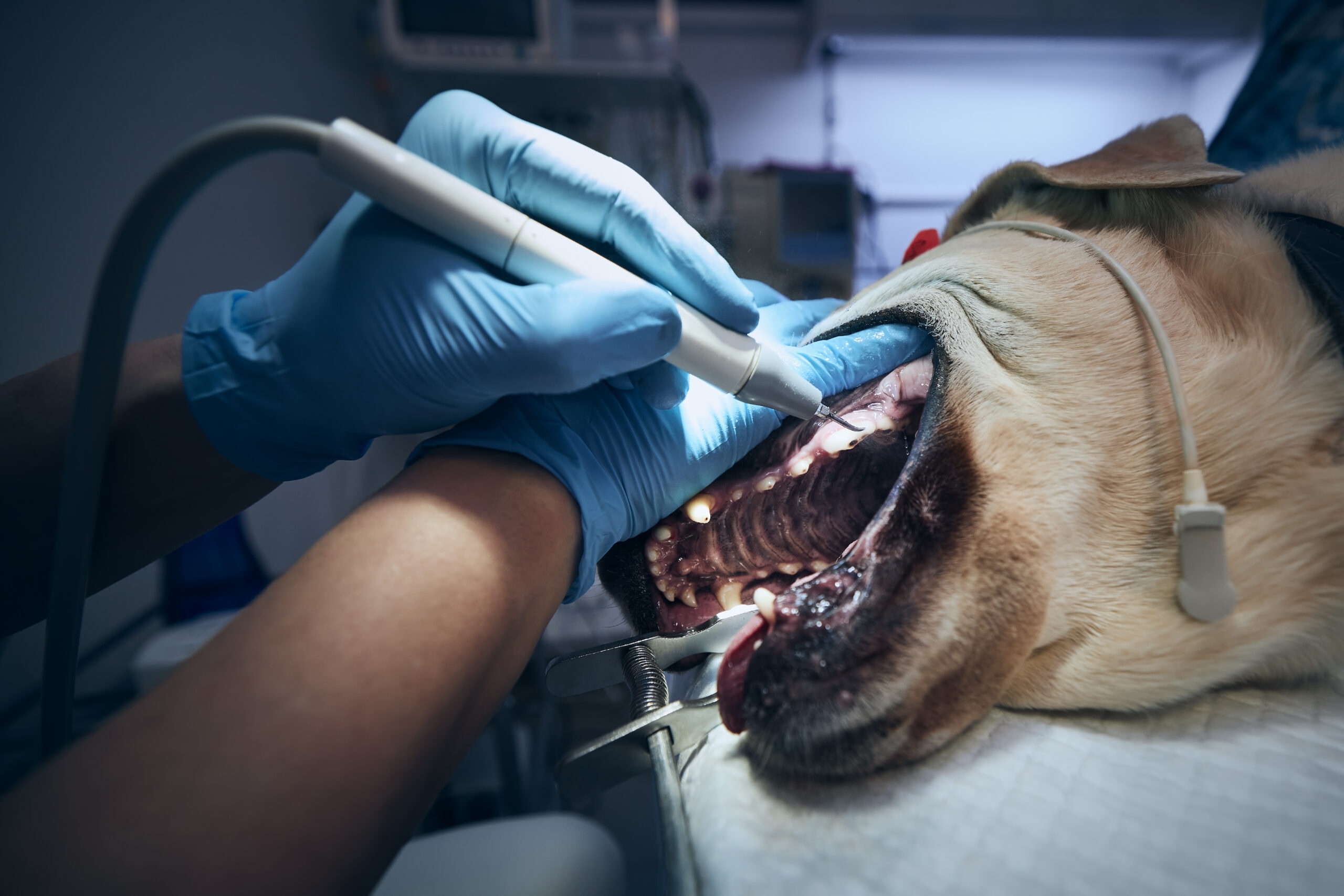
Dental imaging is usually performed during a professional dental cleaning under anesthesia. This ensures your dog stays still and comfortable while detailed images are taken.
Here’s what the process typically includes:
Step 1: Pre-Anesthetic Evaluation
Your veterinarian will check your dog’s health and may recommend bloodwork.
Step 2: Dental Cleaning
Plaque and tartar are removed from above and below the gumline.
Step 3: Dental X-Rays
Special dental equipment captures clear images of each tooth.
Step 4: Treatment Plan
Based on the imaging results, your veterinarian may recommend:
- Tooth preservation treatments
- Periodontal therapy
- Extractions if needed
Why Dental Imaging Matters for Overall Health
Dental disease isn’t just a mouth problem. Bacteria from infected gums can enter the bloodstream and affect vital organs, including:
- Heart
- Liver
- Kidneys
Routine dental imaging helps reduce these risks and supports your dog’s long-term wellness.
That’s why finding a trusted veterinarian near me who offers full dental care is an important part of responsible pet ownership.
How Often Does a Dog Need Dental X-Rays?
The frequency depends on your dog’s age, breed, and dental history.
Veterinarians often recommend:
- Annual dental exams for most dogs
- Regular cleanings for small breeds prone to dental disease
- Imaging whenever symptoms appear or during dental procedures
Your vet will help determine the best schedule based on your dog’s needs.
Choosing the Right Pet Dental Services
Not all clinics offer advanced dental imaging, so it’s important to choose a hospital that provides complete dental care.
When searching for an animal clinic, look for:
- Digital dental X-ray equipment
- Experienced veterinary dental teams
- Preventive dental care plans
- Safe anesthesia monitoring
Protecting Your Dog’s Smile Starts with Prevention
The best way to reduce dental issues is through regular care, including:
- Daily or weekly tooth brushing
- Dental-friendly chews
- Routine wellness exams
- Professional cleanings with imaging
Dental imaging plays a key role in prevention because it helps detect hidden issues early before they turn into emergencies. If you’ve been looking for a reliable “veterinarian near me” in Palatine, IL, Loving Care Animal Hospital proudly offers trusted pet dental services, helping dogs maintain healthy teeth and avoid painful dental disease.
FAQs
1. Is dental imaging really necessary for dogs?
Ans: Yes, many dental problems that occur below the gumline cannot be detected without X-rays.
2. Does my dog need anesthesia for dental X-rays?
Ans: Yes, dogs must remain completely still for accurate imaging, and anesthesia ensures comfort and safety.
3. How long does a dental imaging procedure take?
Ans: Most dental cleanings with imaging take 1–2 hours, depending on your dog’s dental condition.
4. Can dental imaging prevent tooth extractions?
Ans: In many cases, yes, imaging helps detect early disease and allows treatment before extraction becomes necessary.
5. How much does veterinary dental imaging cost?
Ans: Costs vary depending on the procedure, but it is often included in professional dental cleaning packages.

Unable to locate Global Block : 69