
Noticing that your cat is still growing can be surprising, especially if you thought they had reached their full size. Many pet owners wonder, “Why is my cat still growing?” This article explains normal growth patterns, factors that influence growth, and signs that could indicate a health concern. Whether your cat is a playful kitten or a maturing adult, understanding their growth stages can help you provide proper care and ensure long-term health.
Understanding Normal Cat Growth
Cats experience rapid changes in size and development during their first few years. Growth patterns vary widely depending on breed, genetics, and health. Understanding what’s normal can help you identify when something might be off.
Key growth stages:
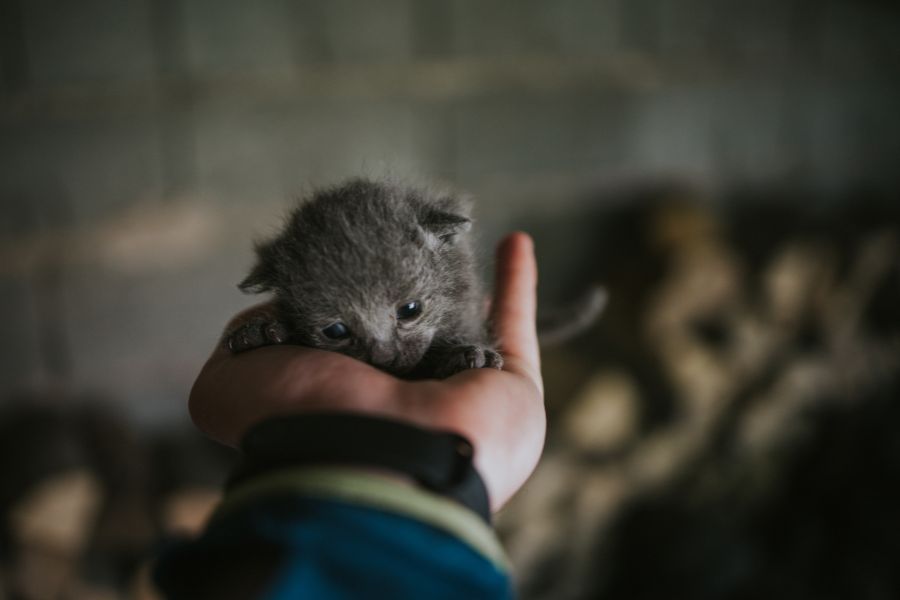
- Neonatal (0–2 weeks): Kittens are born blind and deaf. Rapid weight gain and reflex development occur, with proper feeding being critical.
- Kitten (2 weeks–6 months): The fastest growth period. Kittens double or triple their birth weight and develop coordination, muscle tone, and social skills.
- Junior (6 months–1 year): Growth slows slightly, but sexual maturity begins. Cats may still grow in length, but weight gain becomes steadier.
- Adult (1–2 years): Most cats reach full size. Bones have reached adult length, though some muscular development may continue.
- Mature adult (2–4 years for large breeds): Certain large breeds like Maine Coons continue to fill out and gain muscle mass well beyond their first birthday.
Pro tip: Monitoring weight and body condition during these stages helps ensure your cat is growing at a healthy pace.
Why Some Cats Continue Growing
Even after the typical growth period, some cats may continue growing longer than expected. Here are the main reasons:
- Breed differences: Large breeds, such as Maine Coons or Norwegian Forest Cats, have slower growth patterns and may not reach full size until 3–4 years old.
- Delayed puberty: Cats that mature later may experience extended growth periods, appearing to grow “too long” compared to peers.
- Genetics: Inherited traits play a huge role. If the parents were larger cats, the kittens may continue growing longer.
- Nutrition and health: Cats with a well-balanced diet grow steadily. Conversely, malnourished kittens may experience delayed growth but often catch up once nutrition improves.
- Spaying or neutering: Hormonal changes can sometimes slightly influence growth patterns. Neutered males may fill out more, while females may remain slimmer.
When to Be Concerned About Growth
While prolonged growth can be normal, certain signs may indicate health issues:
- Excessive weight gain or unusual size: Could indicate hormonal disorders such as hyperthyroidism or growth hormone imbalances.
- Persistent thinness or stunted growth: May suggest malabsorption, parasites, or chronic illness.
- Abnormal behavior: Lethargy, loss of appetite, or unusual temperament combined with growth issues warrants veterinary evaluation.
- Visible deformities: Uneven limbs, swollen joints, or bone malformations should be assessed promptly.
Tip: Routine checkups are essential. Catching issues early often prevents more serious complications later.
Supporting Healthy Growth in Your Cat
Proper care during a cat’s growth stages ensures they develop into healthy adults.
Nutrition:
- Feed age-appropriate food. Kittens require higher protein and calorie content than adult cats.
- Avoid overfeeding; obesity can stress joints and organs.
- Supplement only if recommended by your veterinarian.
Exercise and mental stimulation:
- Play sessions, climbing towers, and interactive toys help build muscle, coordination, and confidence.
- Mental stimulation reduces stress and prevents behavioral issues.
Monitoring growth:
- Keep a growth log including weight, body condition score, and any changes in appetite or activity.
- Weigh your cat weekly in the early months, then monthly once growth stabilizes.
Veterinary care:
- Schedule wellness visits at least annually.
- Ask your vet to evaluate growth patterns, nutrition, and overall health.
- Vaccinations and parasite control support steady growth and long-term wellness.
Growth Patterns by Breed
Breed has a significant impact on how long cats continue to grow:
- Maine Coon: Known for massive size, Maine Coons may take 3–4 years to reach full length and weight.
- Norwegian Forest Cat: Muscular and large, growth can continue until 2–3 years old.
- Bengal: Typically reaches adult size by 1–2 years, though muscular development may continue slightly longer.
- Persian: Slower maturing cats; weight stabilizes around 12–18 months.
Insight: Knowing your cat’s breed expectations can help reduce worry over prolonged growth.
The Role of Genetics and Environment
Beyond breed, genetics and environment influence growth:
- Parent size and genetics: Larger parent cats often produce larger kittens.
- Nutrition quality: High-protein diets support optimal bone and muscle development.
- Indoor vs. outdoor environment: Outdoor cats may develop leaner bodies due to more activity, while indoor cats may grow slightly heavier if diet and activity are not balanced.
- Stress and health issues: Chronic stress or illness can slow growth. Ensuring a stable environment and prompt medical care supports healthy development.
Recognizing Growth Milestones
Understanding normal growth milestones helps you track development:
- Weight milestones: Kittens often gain 1–2 pounds by 3–4 months and 6–8 pounds by one year (varies by breed).
- Behavioral milestones: Increased independence, climbing, and playful hunting behavior often coincide with growth stages.
- Physical milestones: Teeth development, coat changes, and adult body proportions signal progress toward full maturity.
Keeping a journal of milestones helps detect deviations early.
Tips for Cats That Keep Growing
For cats that continue growing past the typical age:
- Regularly evaluate diet – Ensure calorie intake matches activity level to prevent obesity.
- Encourage activity – Play, scratching posts, and climbing structures promote healthy muscle and joint development.
- Monitor joints and mobility – Rapid or late growth can strain joints; watch for limping or stiffness.
- Stay informed on breed specifics – Research your cat’s breed to know what “normal” size looks like.
It’s normal for some cats, especially larger breeds, to continue growing beyond their first year. Breed, genetics, nutrition, and environment all influence growth patterns. Monitoring your cat’s weight, behavior, and overall health, along with regular veterinary care, ensures they reach their full potential safely. If you notice unusual growth or health changes, consult a veterinarian promptly. For personalized advice on your cat’s growth, reach out to Ellicott Street Animal Hospital in Buffalo, NY, for expert guidance and wellness support.
FAQs
Q1: How long do cats usually keep growing?
Ans: Most domestic cats reach their full size by 12 months, though large breeds can continue growing up to 3–4 years.
Q2: Is it normal if my 2-year-old cat is still growing?
Ans: Yes, especially for large breeds like Maine Coons or Norwegian Forest Cats, which take longer to reach full size.
Q3: Can nutrition affect how long my cat grows?
Ans: Absolutely, proper nutrition supports healthy growth, while malnutrition can slow development or cause growth spurts later.
Q4: When should I be concerned about my cat’s growth?
Ans: Consult a veterinarian if your cat shows unusual size, sudden weight changes, or behavior changes alongside growth patterns.
Q5: Do male cats grow longer than female cats?
Ans: Males generally reach larger sizes and may continue growing slightly longer than females, but this varies by breed and genetics.
Unable to locate Global Block : 69