

Like us, our beloved furry companions rely on healthy teeth and gums for well-being. Often overlooked, pet dental care is a cornerstone of their health, impacting everything from their ability to eat comfortably to the health of their internal organs. Ignoring your pet’s oral hygiene can lead to painful dental diseases, bad breath, and even systemic health issues. This blog post will guide you through the best practices for keeping your pet’s pearly whites in top condition, ensuring your furry friend’s happy and healthy life.
Why Proactive Dental Care Matters for Your Pet?
Dental disease is prevalent in pets, with many dogs and cats showing signs by just three years of age. This often starts with plaque, a sticky film of bacteria that forms on teeth. If left unaddressed, plaque hardens into tartar, a rough deposit that irritates the gums. This can progress to gingivitis (inflammation of the gums) and eventually periodontitis. This severe infection damages the supporting structures of the teeth, leading to pain, tooth loss, and potential spread of bacteria to vital organs like the heart, liver, and kidneys.
Establishing a Robust Home Dental Care Routine
Like our daily brushing routine, establishing a consistent dental care regimen at home is crucial for your pet. Here are some key practices:
The Cornerstone: Daily Tooth Brushing
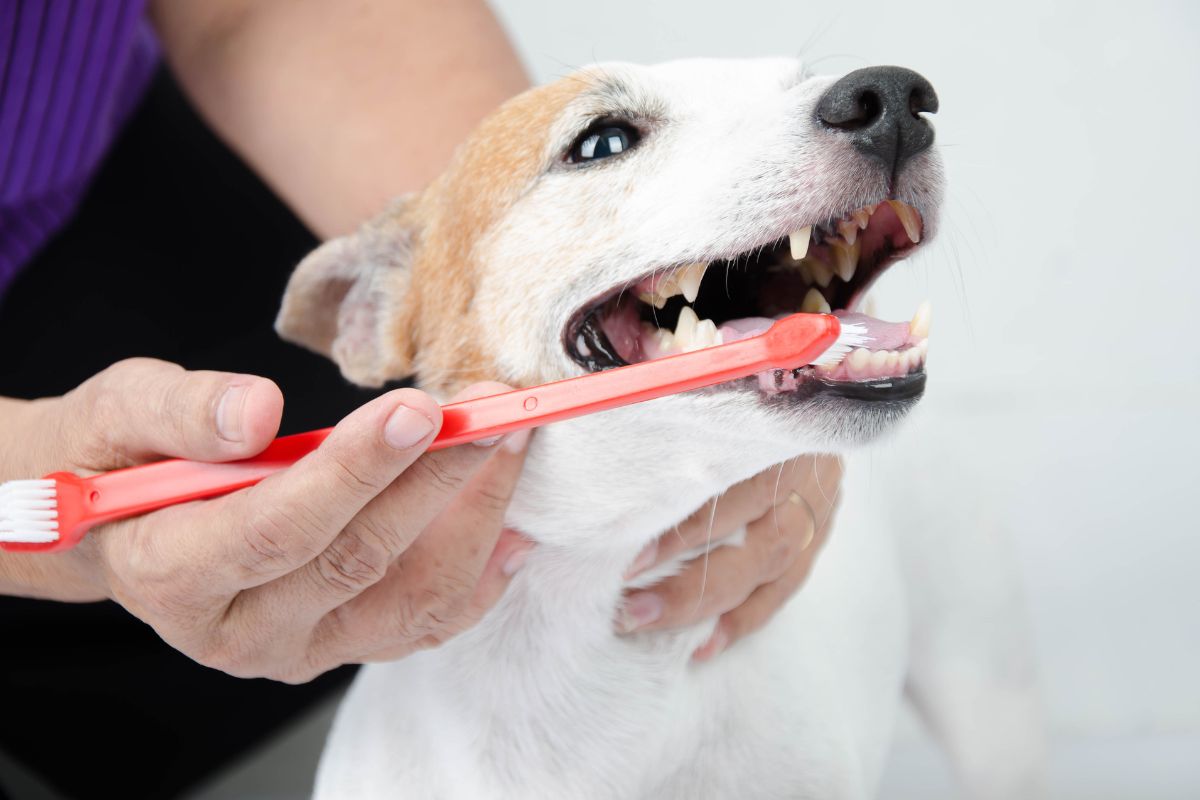
Brushing your pet’s teeth daily is the most effective way to remove plaque and prevent tartar buildup.
- Choosing the Right Tools: Use pet-specific toothpaste (never human), a toothbrush designed for pets, or a finger brush.
- Making it Positive: Introduce brushing gradually with positive reinforcement, such as treats and praise. Focus on the outer surfaces of their teeth for 30-60 seconds per side.
Supplemental Support: Dental Treats and Chews
Dental treats and chews with the Veterinary Oral Health Council (VOHC) seal can help reduce plaque and tartar through chewing. Remember, they are not a replacement for brushing.
Additional Measures: Dental Diets and Water Additives
Specially formulated dental diets and water additives can offer another defense against plaque and bacteria. Always consult your vet before making dietary changes or using water additives.
The Indispensable Role of Professional Veterinary Dental Care
While at-home care is essential, professional veterinary dental cleanings are crucial for maintaining your pet’s oral health.
Comprehensive Oral Health Exams Under Anesthesia
Annual wellness checks include a basic oral exam, but a thorough evaluation often requires sedation or anesthesia to assess all teeth and gums, including below the gum line.
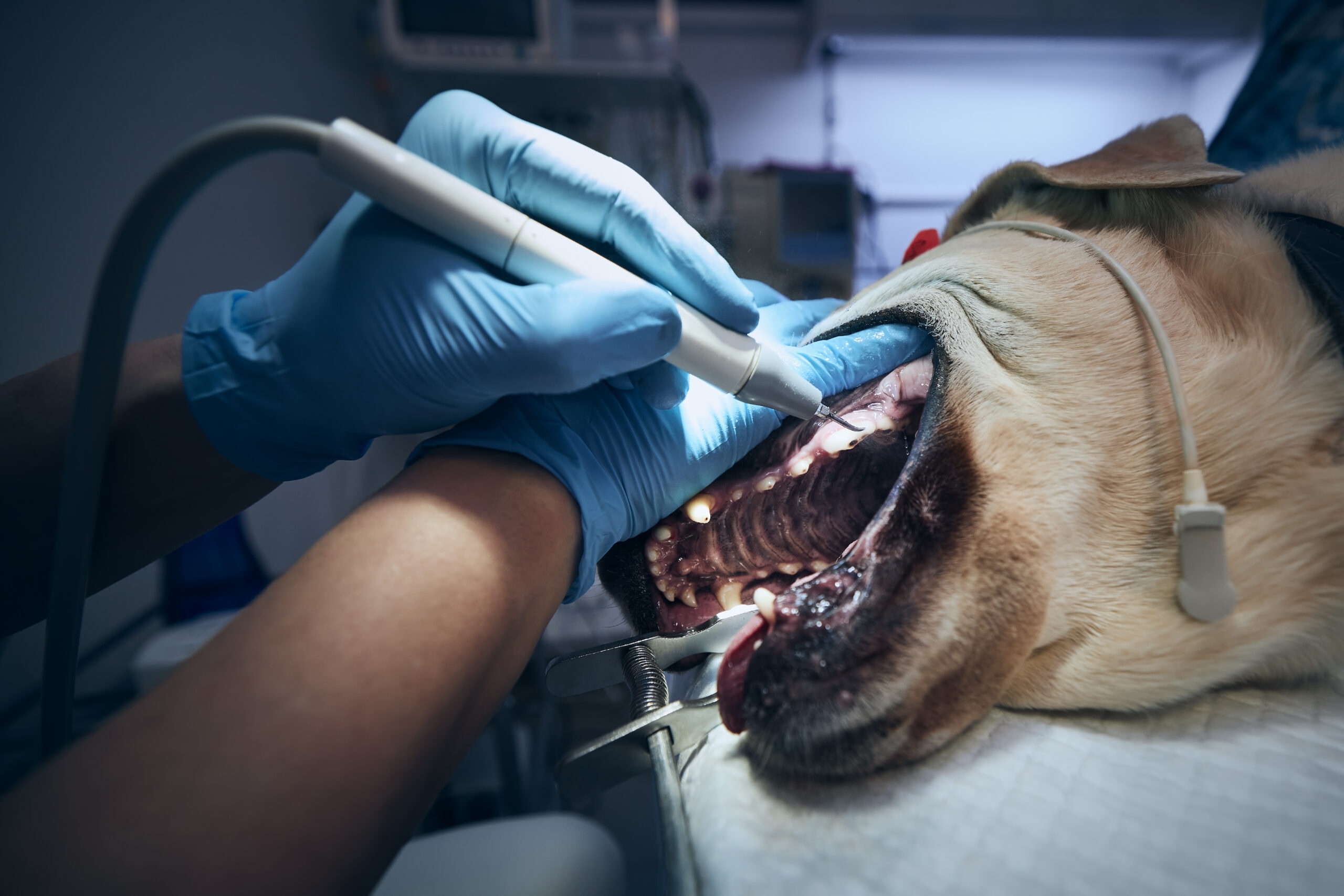
The Deep Clean: Professional Dental Cleaning (Prophylaxis)
A professional cleaning involves scaling to remove plaque and tartar above and below the gum line, followed by polishing. Dental X-rays may be necessary for a complete tooth root and bone health. Anesthesia ensures a safe and stress-free procedure.
Recognizing Warning Signs: When to Seek Veterinary Help
Be vigilant for any signs of dental disease in your pet, including:
- Persistent bad breath
- Visible tartar buildup (yellowish-brown)
- Red, swollen, or bleeding gums
- Difficulty or reluctance to chew
- Decreased appetite or dropping food
- Pawing at the mouth
- Loose or missing teeth
- Excessive drooling
- Changes in behavior related to mouth pain
If you observe any of these signs, schedule a veterinary appointment immediately.
Conclusion
Prioritizing your pet’s dental care is an investment in their long-term health and happiness. You can help your furry friend enjoy a lifetime of healthy smiles and comfortable living by implementing a consistent at-home routine and scheduling regular professional cleanings. For comprehensive Pet Dental Services In Palatine, contact your local veterinary clinic to discuss the best options for your beloved companion. Remember, a healthy mouth contributes to a healthier and happier pet!

Unable to locate Global Block : 69