
Deciding to neuter your beloved male dog is a responsible choice, offering numerous health and behavioral benefits. However, it’s natural for pet owners to worry about their dog undergoing surgery. A common question that arises is: “Do dogs feel pain from neutering?“ The simple answer is yes, like any surgical procedure, neutering causes pain. However, modern veterinary medicine is highly advanced in preventing and managing this pain, ensuring your dog’s comfort throughout the process and during recovery.
Let’s break down how pain is managed during and after a neuter procedure, and what you can expect for your dog’s recovery.
During the Surgery: No Pain Sensation
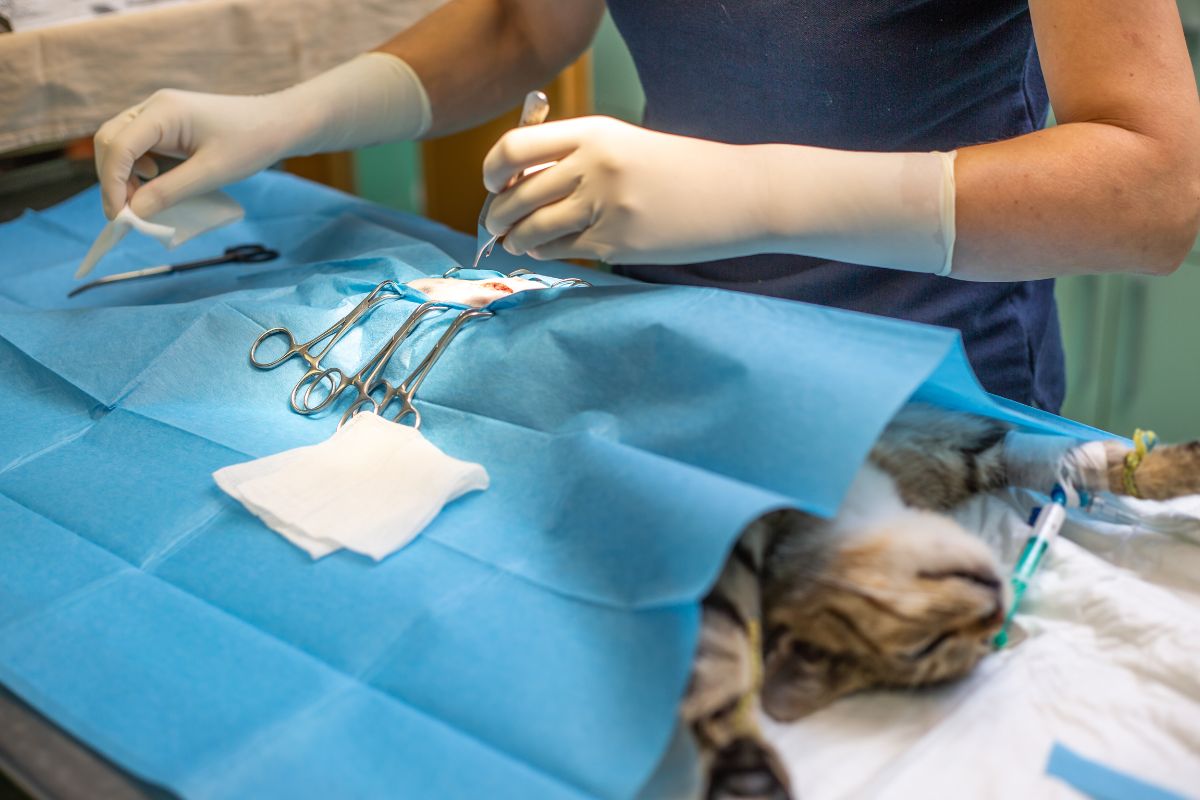
A neuter (also known as castration) is a surgical procedure where a male dog’s testicles are removed. This is performed while your dog is under general anesthesia. This means:
- No Pain Perception: Your dog will be completely unconscious during the entire surgery in your pet. They will not feel any pain, pressure, or discomfort.
- Constant Monitoring: Throughout the procedure, your veterinary team will closely monitor your dog’s vital signs – heart rate, breathing, blood pressure, and oxygen levels – to ensure they remain safe and stable under anesthesia.
- Pain Prevention During Surgery: Even while under anesthesia, many veterinarians administer pain medication (analgesics) before the first incision is made. This “pre-emptive analgesia” helps to block pain signals before they even start, contributing to a smoother recovery and less pain post-operatively. They may also use local anesthetic blocks around the surgical site to numb the area.
So, rest assured, your dog will not experience any pain during the actual surgical process itself.
After the Surgery: Managing Discomfort and Pain
Once the surgery is complete and your dog begins to recover from anesthesia, he will naturally start to feel some discomfort and pain from the incision. This is similar to how a human would feel after a minor surgical procedure. However, modern veterinary protocols are designed to minimize this discomfort effectively.
Here’s how pain is managed post-neuter:
- Post-Operative Injections: Your veterinarian will typically administer a long-acting pain injection immediately after surgery. This medication usually provides pain relief for 12 to 24 hours, ensuring your dog is comfortable as he wakes up from anesthesia and during his first night home.
- Take-Home Oral Medications: You will almost certainly be sent home with oral pain medication, usually a non-steroidal anti-inflammatory drug (NSAID) like carprofen or meloxicam, and sometimes an opioid or other adjunct pain reliever. It is crucial to administer these medications exactly as prescribed by your vet, even if your dog seems to be feeling better. Consistent pain management helps prevent pain from escalating and supports proper healing.
- Important Note: Never give your dog human pain medications like ibuprofen, naproxen, or acetaminophen (Tylenol), as many of these are toxic and can be extremely dangerous or even fatal for dogs.
- Activity Restriction: Limiting your dog’s physical activity (no running, jumping, or strenuous play) for the recommended 10-14 days is vital. This prevents stress on the incision site, reduces swelling, and allows the tissues to heal properly, which in turn minimizes pain.
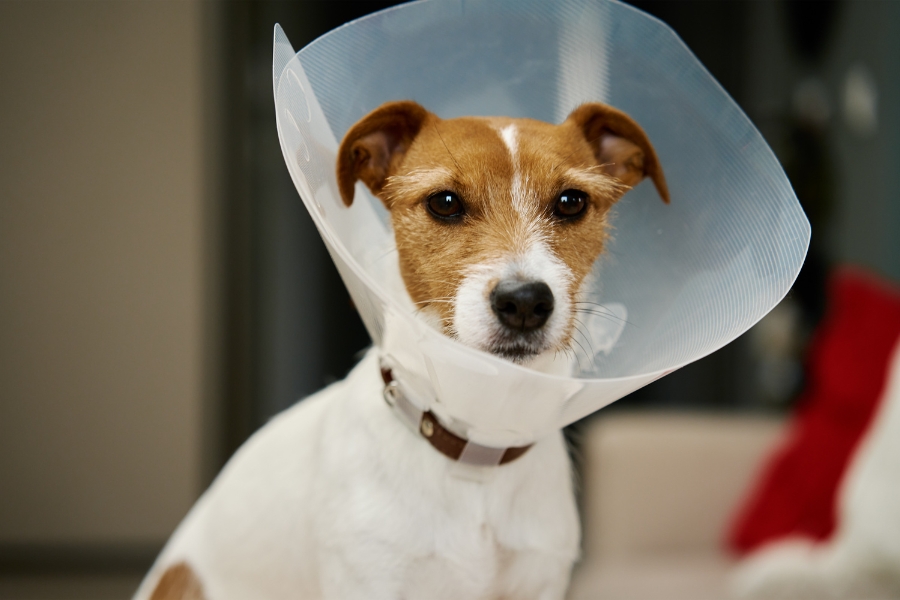
- Elizabethan Collar (E-collar/Cone): While sometimes unpopular with dogs and owners, the E-collar is essential. It prevents your dog from licking, chewing, or scratching the incision site, which can lead to infection, opening the wound, and increased pain. An infection or an open incision will significantly prolong recovery and discomfort.
How Long Does Pain Last?
Most of the significant discomfort from a neuter procedure typically lasts only 2-3 days. By the end of the first week, most dogs show little to no signs of pain or discomfort. The full healing of the incision and internal tissues usually takes about 10 to 14 days, during which light activity restriction is still important.
Signs your dog might be in pain include:
- Whining, whimpering, or crying
- Licking or biting at the incision site (why the cone is important!)
- Restlessness or inability to get comfortable
- Reluctance to move, walk, or go up/down stairs
- Hiding or withdrawing
- Loss of appetite for more than 24 hours
- Shivering or panting excessively
- Aggression when touched near the incision
If you observe these signs of pain persisting beyond the initial few days, or if they seem severe, contact your veterinarian immediately. They can assess your dog and adjust pain management as needed.
While dogs do feel pain from neutering, modern veterinary practices prioritize effective pain prevention and management. By ensuring your dog receives appropriate anesthesia during surgery and consistent pain medication afterward, combined with proper home care, you can make the recovery process as comfortable and smooth as possible. The temporary discomfort is a small price to pay for the significant lifelong health and behavioral benefits that neutering provides for your beloved canine companion.

Unable to locate Global Block : 69