
Spaying or neutering your pet is one of the most responsible and caring decisions you can make as a pet owner. Not only does it help control the pet population, but it also offers long-term health and behavioral benefits. Suppose you’re considering veterinary surgery for your dog or cat in Palatine, IL. Understanding the process can help ease your concerns and ensure a smoother experience for you and your furry companion.
Before the Surgery: Preparing for the Big Day
Your veterinary team will typically schedule a pre-operative exam before the procedure. This includes reviewing your pet’s medical history, conducting a physical examination, and possibly running bloodwork to ensure your pet is healthy enough for anesthesia and surgery.
Your vet will give you clear instructions on how to prepare, including:
- No food after midnight the night before surgery (unless instructed otherwise).
- Ensure your pet is up to date on vaccinations.
- Discussing any current medications or health issues.
If you’re searching for a reliable clinic that offers Palatine family pet care, choosing one that takes time to answer your questions and makes you feel confident in your decision is essential.

During the Surgery: Safe, Monitored, and Professional
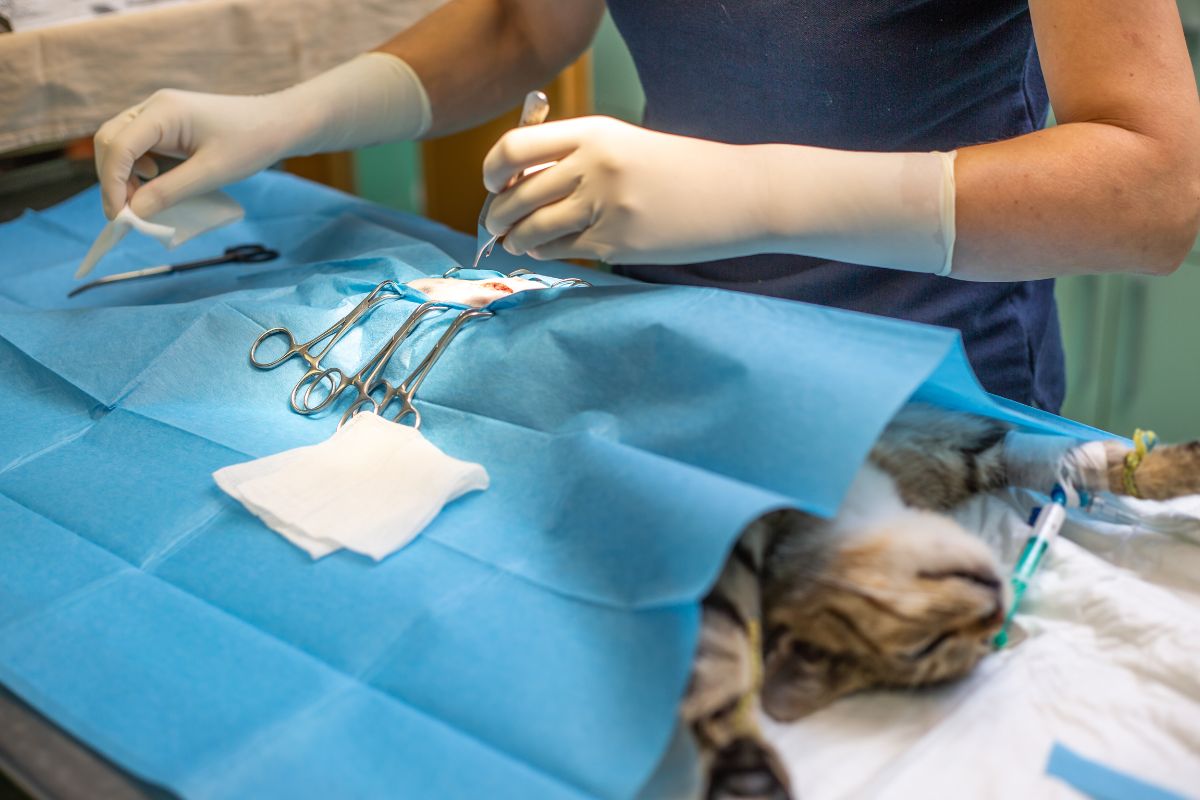
Spay and neuter procedures are routine, but they’re still major surgeries. Rest assured that your pet will be under general anesthesia, and vital signs will be closely monitored throughout. The surgery typically takes between 30 to 60 minutes, depending on the pet’s size, age, and gender.
For females, spaying involves removing the ovaries and usually the uterus, while neutering males involves removing the testicles. These procedures help reduce the risk of reproductive cancers and minimize unwanted behaviors such as marking or aggression.
Although some pet owners may search for an emergency vet clinic in Palatine, IL, it’s important to note that scheduled spay/neuter surgeries are non-emergency procedures and are typically performed during regular business hours. Choosing a clinic that offers dependable daytime care is ideal for these planned services.
After the Surgery: Caring for Your Pet at Home
Post-operative care is a critical part of your pet’s recovery. Most pets can go home the same day, although they may be groggy from anesthesia. Your vet will provide detailed home care instructions, which usually include:
- Limiting physical activity for 7–10 days
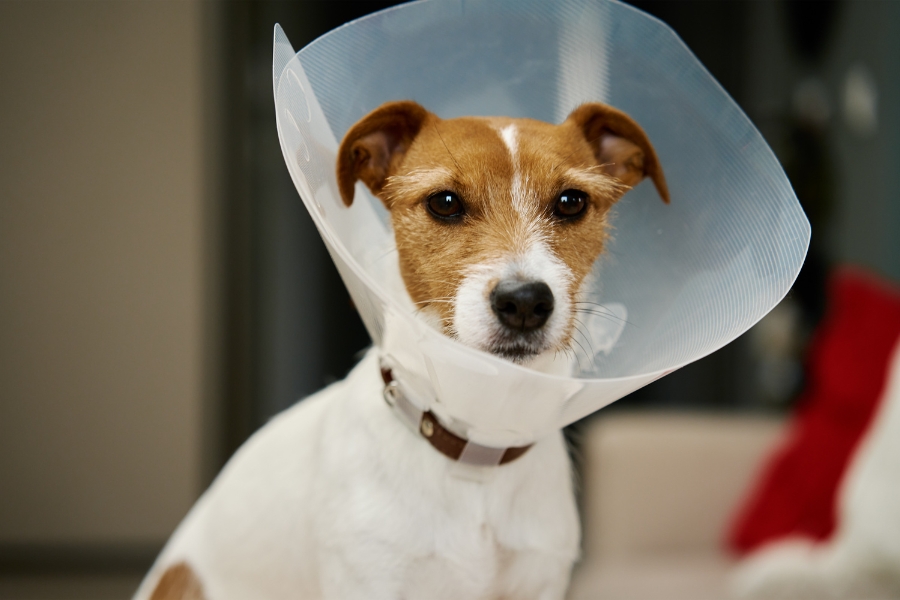
- Preventing licking or chewing of the incision site (usually with an e-collar)
- Monitoring for signs of infection, such as swelling, redness, or discharge
- Administering prescribed pain medications
It’s also wise to keep your pet indoors during recovery and create a calm, quiet space for them to rest. If you notice anything unusual or feel unsure about your pet’s recovery, don’t hesitate to reach out to your vet.
While some may search for an urgent vet in Palatine, IL, for unexpected concerns post-surgery, many issues can be addressed promptly during regular clinic hours. Choosing a practice that prioritizes communication and follow-up care ensures peace of mind during recovery.
The Long-Term Benefits
In addition to preventing unwanted litters, spaying and neutering are vital in enhancing your pet’s overall health and longevity. At Loving Care Animal Hospital, these routine procedures, part of the comprehensive veterinary surgery services available in Palatine, IL, can lower the risk of certain cancers, curb hormone-related behaviors, and support a calmer, more balanced temperament. Plus, you’re contributing to a healthier community by reducing the number of stray animals.

Unable to locate Global Block : 69