

The challenge of pet overpopulation continues to impact animal shelters, rescue groups, and communities worldwide. Every year, millions of cats and dogs end up homeless or surrendered because there simply are not enough homes available.
Fortunately, pet owners can make a significant difference through a simple but powerful decision: spaying or neutering their pets. This preventive measure not only helps control pet overpopulation but also offers long-term health and behavioral benefits.
Understanding the Basics: What Does Spay Neuter Mean?
Before diving into the impact of these procedures, it’s important to understand what spaying and neutering actually mean.
- Spaying refers to the surgical procedure performed on female pets, where the ovaries and uterus are removed to prevent pregnancy.
- Neutering is the surgical procedure performed on male pets, where the testicles are removed to prevent reproduction.
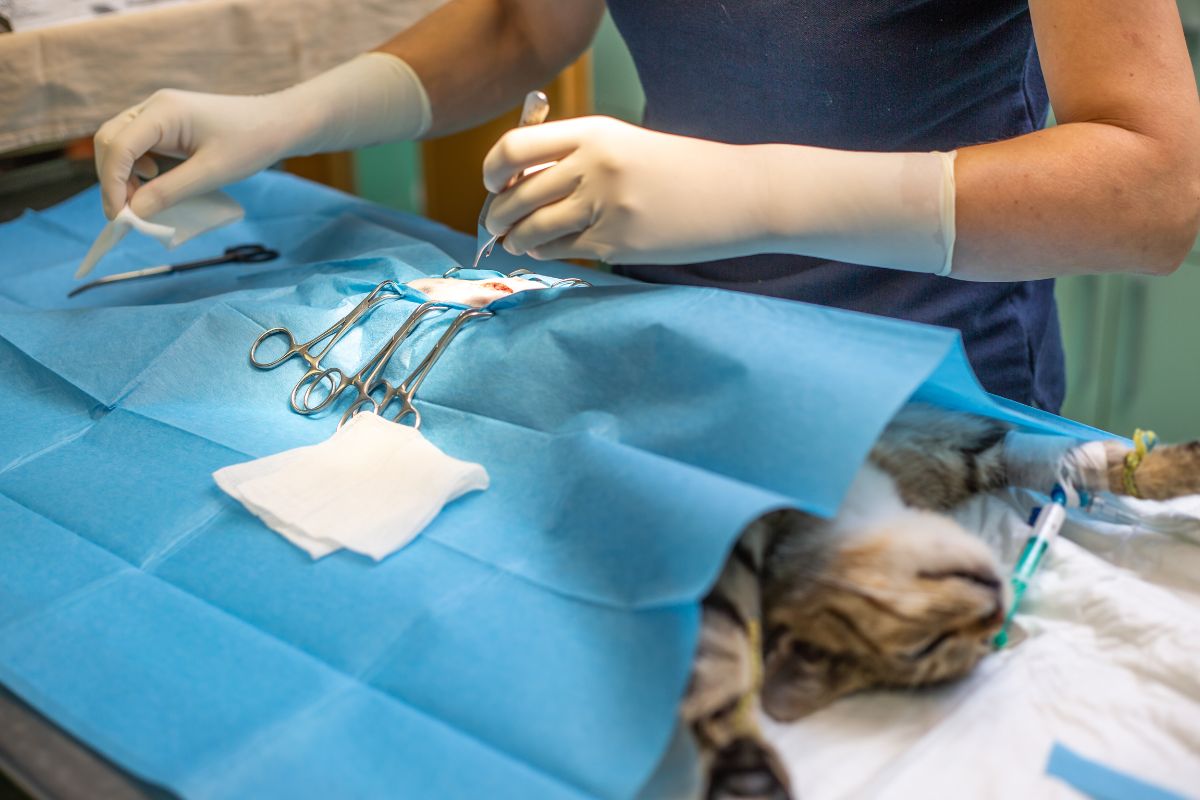
Both procedures are safe, routine, and recommended by veterinarians around the world. They are carried out under anesthesia, and most pets recover quickly with proper post-surgery care.
By making this small medical decision, you are contributing to a larger cause—reducing the number of unwanted litters and easing the strain on animal shelters.
Spot the Difference: What Is the Difference Between Spay and Neuter?
While both spaying and neutering serve the same purpose—preventing pets from reproducing—they differ in the surgical approach and the gender of the pet. Let’s break it down clearly:
| Aspect | Spay (Female) | Neuter (Male) |
| Procedure | Removal of the ovaries and uterus | Removal of testicles |
| Purpose | Prevents female pets from getting pregnant | Prevents male pets from fathering offspring |
| Additional Benefits | Reduces the risk of uterine infections and breast tumors | Reduces risk of testicular cancer and prostate problems |
| Impact on Behavior | Prevents heat cycles, reduces roaming, decreases howling/crying | Lowers aggression, reduces marking, and prevents roaming |
This clear distinction highlights that while both procedures aim at controlling reproduction, each comes with specific health and behavioral benefits tailored to your pet’s needs.
Why Spaying and Neutering Is Essential to Reduce Pet Overpopulation
One of the leading reasons pets end up in shelters is uncontrolled breeding. A single pair of cats, for instance, can produce dozens of kittens within a few years. Similarly, unaltered dogs contribute to countless litters, many of which end up abandoned.
Here’s how spaying and neutering directly help reduce overpopulation:
- Prevents Unwanted Litters – When pets can’t reproduce, accidental pregnancies and unexpected litters are eliminated.
- Eases the Burden on Shelters – With fewer stray animals, shelters can focus resources on existing animals, improving adoption chances.
- Reduces Euthanasia Rates – Sadly, overcrowding often forces shelters to make heartbreaking decisions. Spaying and neutering help minimize this outcome.
- Promotes Healthier Communities – Fewer strays mean fewer instances of bites, disease transmission, and accidents involving pets on the streets.
In short, responsible pet ownership plays a crucial role in tackling the widespread problem of overpopulation.
Beyond Population Control: Health Benefits of Spaying and Neutering
While reducing overpopulation is the primary goal, these procedures also benefit your pet’s health:
- For Females (Spaying): Significantly lowers the risk of breast cancer and eliminates the chance of uterine infections, which can be fatal.
- For Males (Neutering): Prevents testicular cancer and reduces the risk of prostate issues later in life.
- For Both: A reduced tendency to roam decreases the risk of accidents and fights, leading to longer, healthier lives.
Behavioral Benefits That Make a Difference
In addition to health improvements, spaying and neutering often lead to better behavior, which strengthens the bond between pets and their families:
- Neutered males are less likely to mark territory indoors or exhibit aggression.
- Spayed females won’t go into heat, meaning less restlessness, howling, or unwanted male attention.
- Both spayed and neutered pets tend to be calmer, more affectionate, and easier to train.
These benefits ensure that pets become more manageable companions, which reduces the chances of them being surrendered to shelters due to behavioral issues.
Timing Matters: When Should You Spay or Neuter Your Pet?
Veterinarians typically recommend spaying or neutering puppies and kittens around five to six months of age. However, the ideal timing can vary depending on breed, size, and overall health. Some larger dog breeds may benefit from waiting slightly longer.
Always consult with your veterinarian to determine the best time for your pet. Acting early ensures maximum health and behavioral benefits while effectively preventing unplanned litters.
Where to Spay or Neuter Your Pets
Finding the right place for your pet’s surgery is just as important as deciding to move forward with it. Veterinary clinics, animal hospitals, and low-cost clinics are available across communities to support responsible pet owners.
If you are conveniently located in Palatine, IL, and searching for the best spay & neuter service near me. In that case, Loving Care Animal Hospital is the right choice for compassionate, advanced, and reliable pet care.
Here’s what you should consider when choosing a clinic:
- Veterinary Expertise: Ensure the clinic has experienced veterinarians trained in surgical procedures.
Safety Standards: Ask about anesthesia protocols, pain management, and post-surgery care. - Reputation: Read reviews or ask other pet parents for recommendations.
- Affordability: Many communities offer low-cost spay/neuter programs without compromising quality.
By choosing a trusted veterinary hospital, you guarantee your pet receives professional care while also contributing to the larger goal of reducing overpopulation.
Debunking Common Myths About Spay and Neuter
Despite the overwhelming benefits, some pet owners hesitate because of misconceptions. Let’s clear up a few:
- “It will make my pet overweight.” – Weight gain comes from overeating and lack of exercise, not the surgery.
“It changes their personality.” – Pets remain the same loving companions, just calmer and less driven by hormones. - “It’s cruel to take away their ability to reproduce.” – Preventing unwanted litters is far kinder than risking neglect, abandonment, or euthanasia.
Understanding the truth helps more owners make confident, compassionate decisions.
A Step Toward a Brighter Future
Spaying and neutering are not just medical procedures—they are acts of responsibility and compassion. By preventing overpopulation, you help reduce the suffering of countless homeless animals while giving your pet a healthier, happier life.
Every responsible decision made by pet owners contributes to a community where fewer animals are left behind and more find loving homes.
Pet overpopulation is a serious issue, but it is not unsolvable. With widespread education, responsible ownership, and proactive spaying and neutering, we can make a real difference. Whether you’re considering these procedures for your dog or cat, remember that you’re not just making a choice for your pet—you’re impacting the lives of many others.
Take the step today, consult your veterinarian, and join the mission to create a healthier future for pets everywhere.

Unable to locate Global Block : 69