

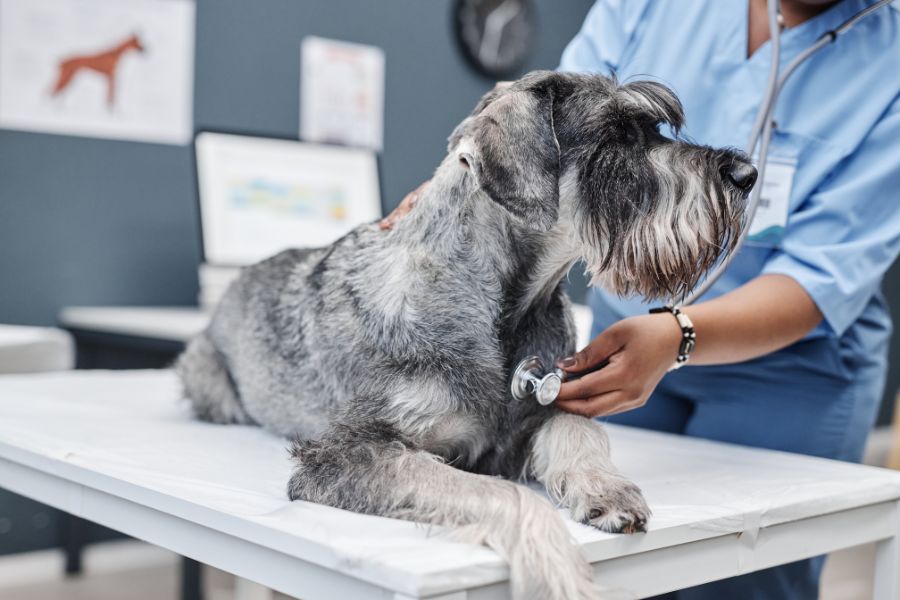
As pets grow older, their healthcare needs change in important ways. A quick annual checkup that worked during their younger years may no longer be enough to catch age-related conditions early. Senior pet care focuses on prevention, early diagnosis, pain management, and maintaining quality of life.
In this guide, you’ll learn how senior pet care differs from routine veterinary visits, what veterinarians look for during senior wellness exams, and how regular monitoring can help older dogs and cats stay healthier and more comfortable for longer.
What Is Considered a Senior Pet?
Most pets are considered seniors around the age of 7, although this can vary depending on breed and size. Large dog breeds often age faster than smaller dogs, while many cats begin showing senior changes between 7 and 10 years old.
Common signs of aging in pets include:
- Slower movement
- Weight gain or loss
- Cloudy eyes
- Reduced hearing
- Changes in appetite
- Increased sleeping
- Joint stiffness
- Behavioral changes
Aging itself is not a disease, but older pets become more likely to develop chronic health conditions that require closer monitoring.
Why Senior Pet Care Requires More Attention?
Routine veterinary visits for younger pets often focus on vaccines, parasite prevention, and general wellness. Senior pet care goes deeper because older pets face higher risks for medical conditions that can develop gradually and without obvious symptoms.
Senior wellness care is designed to:
- Detect diseases earlier
- Monitor organ function
- Manage chronic pain
- Support mobility
- Track cognitive health
- Improve overall quality of life
Many conditions become easier to manage when caught early. Regular senior exams help veterinarians identify subtle changes before they become serious problems.
How Senior Pet Exams Differ from Routine Checkups?
More Frequent Veterinary Visits
Healthy younger pets may only need yearly exams. Senior pets often benefit from wellness visits every six months.
This matters because pets age faster than humans. Waiting a full year between visits can allow health problems to progress significantly.
Twice-yearly senior pet exams allow veterinarians to:
- Compare weight and body condition changes
- Monitor chronic illnesses
- Adjust medications
- Catch early warning signs faster
Expanded Diagnostic Testing
One of the biggest differences in senior pet care is the use of more comprehensive diagnostic testing.
Routine exams may include a basic physical exam and vaccines. Senior wellness visits commonly include:
- Bloodwork
- Urinalysis
- Blood pressure checks
- Thyroid testing
- Fecal exams
- X-rays when needed
These tests help detect conditions such as:
- Kidney disease
- Diabetes
- Arthritis
- Heart disease
- Liver disease
- Thyroid disorders
Many senior pets appear healthy at home, even when internal changes are occurring. Diagnostic screenings provide valuable insight into hidden health concerns.
Pain and Mobility Assessments Become More Important
Arthritis and joint disease are extremely common in older pets. Unfortunately, pets often hide pain well.
During senior pet care visits, veterinarians pay close attention to:
- Gait changes
- Difficulty standing
- Muscle loss
- Joint stiffness
- Reduced activity levels
Pet owners sometimes assume slowing down is a normal part of aging, but pain may be the real cause.
Treatment options may include:
- Weight management
- Joint supplements
- Prescription medications
- Physical therapy
- Laser therapy
- Mobility support recommendations
Managing pain early can greatly improve a senior pet’s comfort and mobility.
Senior Pets Need Closer Weight Monitoring
Weight changes in senior pets can signal underlying health issues.
Weight gain may contribute to:
- Arthritis
- Diabetes
- Heart strain
Unexpected weight loss may point to:
- Kidney disease
- Cancer
- Dental disease
- Thyroid problems
Veterinarians carefully track body condition during senior wellness exams and may recommend dietary adjustments based on changing nutritional needs.
Dental Care Becomes Even More Critical
Dental disease is one of the most overlooked problems in senior pets. Poor dental health can affect much more than the mouth.
Untreated dental disease may contribute to:
- Chronic pain
- Infection
- Difficulty eating
- Heart problems
- Kidney complications
Senior veterinary visits often include a more detailed oral examination to identify:
- Loose teeth
- Gum disease
- Oral tumors
- Infection
- Tooth fractures
Professional dental cleanings and at-home dental care can help protect both oral and overall health.
Cognitive Changes Are Evaluated During Senior Pet Care
Just like humans, pets can experience cognitive decline as they age.
Signs of cognitive dysfunction may include:
- Confusion
- Restlessness at night
- House-soiling accidents
- Increased anxiety
- Staring into space
- Changes in social behavior
Senior pet care appointments often include discussions about behavioral changes because they may indicate cognitive decline or underlying medical issues.
Early support may include:
- Dietary adjustments
- Environmental enrichment
- Medication
- Supplements
- Routine changes
Monitoring mental health is an important part of comprehensive senior care.
Nutrition Recommendations Change with Age
Senior pets have different nutritional needs than younger animals.
Veterinarians may recommend diets that support:
- Joint health
- Kidney function
- Weight management
- Digestive health
- Heart health
Not every pet labeled “senior” requires the same food. Nutrition recommendations depend on your pet’s health status, activity level, and existing medical conditions.
A personalized feeding plan can help older pets maintain energy and muscle mass.
Preventive Care Still Matters for Older Pets
Some owners mistakenly believe vaccines or parasite prevention are less important for senior pets. In reality, older pets may have weaker immune systems and remain vulnerable to illness.
Senior pet care still includes:
- Vaccination reviews
- Parasite prevention
- Heartworm testing
- Flea and tick control
Your veterinarian may tailor preventive care based on your pet’s lifestyle and overall health.
What Pet Owners Should Watch for at Home?
Between veterinary visits, owners play a major role in senior pet care.
Contact your veterinarian if you notice:
- Changes in drinking or urination
- Appetite changes
- Weight fluctuations
- Limping or stiffness
- Bad breath
- Coughing
- Vomiting
- Confusion
- Decreased activity
- Difficulty climbing stairs
Even small changes can provide important clues about your pet’s health.
Tips for Supporting Your Senior Pet at Home
Simple adjustments at home can improve your pet’s comfort and safety.
Helpful changes include:
- Orthopedic bedding
- Non-slip rugs
- Raised food bowls
- Easy access to litter boxes
- Gentle exercise routines
- Ramps for stairs or furniture
Keeping routines predictable can also reduce stress for older pets.
Conclusion
Senior pets deserve specialized attention that goes beyond routine veterinary visits and receive effective senior pet care. As pets age, regular wellness exams, advanced diagnostics, pain management, and nutritional support become essential for maintaining long-term health and comfort. Early detection is one of the biggest advantages of senior pet care. With proactive veterinary support, many older pets can continue living active, happy lives for years. If your pet is entering their senior years, schedule a wellness evaluation with your Palatine veterinarian at Loving Care Animal Hospital to help them age as comfortably and healthily as possible.
FAQs
Q1: How often should senior pets visit the veterinarian?
Ans: Most senior pets should have wellness exams every six months. More frequent visits help detect age-related conditions earlier and allow closer monitoring of chronic diseases.
Q2: What age is considered senior for dogs and cats?
Ans: Many pets are considered seniors around age 7, although large dog breeds may become seniors earlier. Cats often enter their senior years between the ages of 7 and 10.
Q3: Why does senior pet care include bloodwork?
Ans: Bloodwork helps detect hidden health issues such as kidney disease, diabetes, liver disease, and thyroid disorders before symptoms become obvious.
Q4: Are behavioral changes normal in senior pets?
Ans: Some behavioral changes can occur with aging, but sudden confusion, anxiety, or house-soiling may signal cognitive dysfunction or medical problems that need veterinary evaluation.
Q5: Can arthritis in senior pets be treated?
Ans: Yes, arthritis management may include medications, joint supplements, weight control, physical therapy, and lifestyle adjustments to improve comfort and mobility.

Unable to locate Global Block : 69