

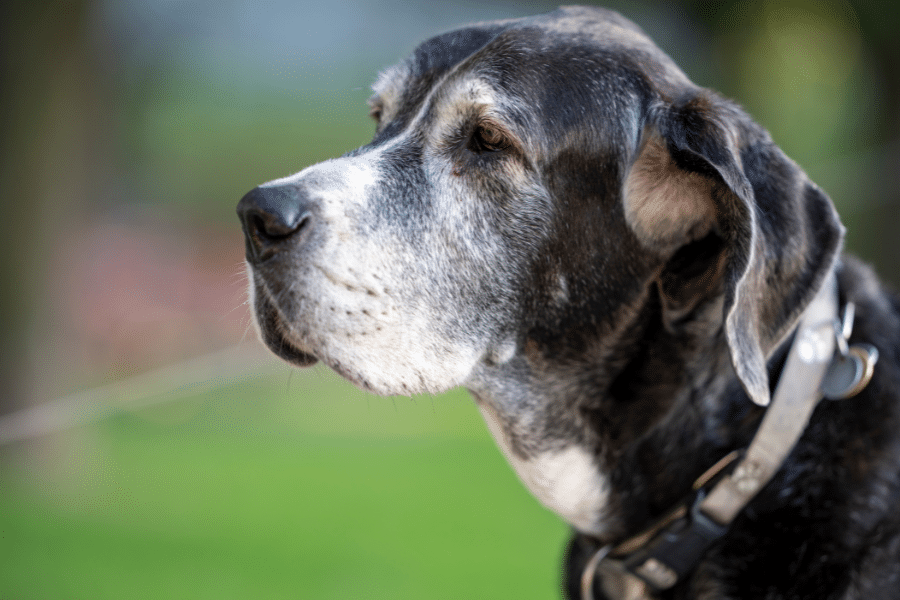
Getting older is a normal part of your pet’s life, but changes in appetite, movement, behavior, or bathroom habits should not automatically be dismissed as just aging. Many senior pet health problems develop gradually, making early changes easy to overlook. Your dog or cat may continue eating, sleeping, and interacting with you while an underlying condition is developing. At Loving Care Animal Hospital in Palatine, IL, veterinary professionals can help monitor older pets and identify changes that deserve attention. This guide covers common health concerns in senior pets, the warning signs owners may notice at home, and when a change should lead to a veterinary visit.
What Are the Most Common Health Problems in Senior Pets?
Senior pets can develop a range of health conditions involving the joints, teeth, kidneys, heart, liver, brain, eyes, and other body systems. Some conditions are more common with age, while others depend on the individual pet.
Common concerns include:
- Arthritis and other mobility problems
- Dental disease
- Kidney problems
- Heart disease
- Liver disease
- Diabetes
- Vision changes
- Hearing loss
- Cognitive changes
- Weight loss or weight gain
- Skin and coat changes
Not every older pet develops these problems. Regular veterinary examinations help establish what is normal for your pet and make changes easier to recognize.
What Are the Early Signs of Aging in Pets?
Aging does not look exactly the same in every dog or cat. Some changes happen slowly, such as sleeping more or moving less. Others can be more noticeable, such as changes in appetite or bathroom habits.
Watch for:
- Reduced activity
- Difficulty climbing stairs
- Trouble jumping
- Changes in appetite
- Weight loss
- Increased thirst
- More frequent urination
- Bad breath
- New lumps
- Changes in sleep
- Confusion or restlessness
- Changes in grooming
One change may not indicate a serious problem, but a pattern of changes deserves attention.
How Can Arthritis Affect Senior Dogs and Cats?
Arthritis can make normal movement painful or difficult. Dogs may become slower on walks or hesitate before using stairs, while cats may stop jumping onto furniture or become less active.
Signs can include:
- Stiffness after resting
- Reluctance to climb
- Difficulty getting up
- Reduced play
- Irritability when handled
- Changes in grooming
- Avoiding jumps
Cats are especially good at hiding discomfort. A cat that stops jumping onto a favorite chair may not simply be “slowing down.”
Your veterinarian can assess mobility and discuss ways to support comfort.
What Dental Problems Are Common in Senior Pets?
Dental disease becomes increasingly important as pets age. Bad breath, tartar, red gums, chewing changes, and dropping food can indicate oral discomfort.
Watch for:
- Persistent bad breath
- Red or swollen gums
- Visible tartar
- Difficulty chewing
- Dropping food
- Pawing at the mouth
- Reduced appetite
Some pets continue eating despite dental pain, so appetite alone does not rule out a mouth problem.
Regular dental assessments allow your veterinarian to monitor changes and recommend appropriate care.
Can Kidney Problems Cause Changes in Older Pets?
Kidney problems may develop gradually, and early signs can be subtle. Increased thirst and urination are common changes owners may notice, although many other conditions can cause the same signs.
Other possible changes include:
- Weight loss
- Reduced appetite
- Vomiting
- Lower energy
- Changes in water intake
- Changes in urine production
A senior pet drinking more water than usual should be evaluated rather than having the change automatically blamed on age.
Bloodwork and urine testing may help a veterinarian assess kidney function and investigate other possible causes.
What Heart Problems Should Owners Watch For?
Heart disease can affect senior pets, although it can occur at different ages depending on the condition. Signs may include coughing, reduced exercise tolerance, breathing changes, weakness, or collapse.
Contact your veterinarian if you notice:
- Breathing changes
- Reduced ability to exercise
- Persistent coughing
- Weakness
- Fainting or collapse
- Significant changes in energy
Difficulty breathing or collapse requires prompt veterinary attention.
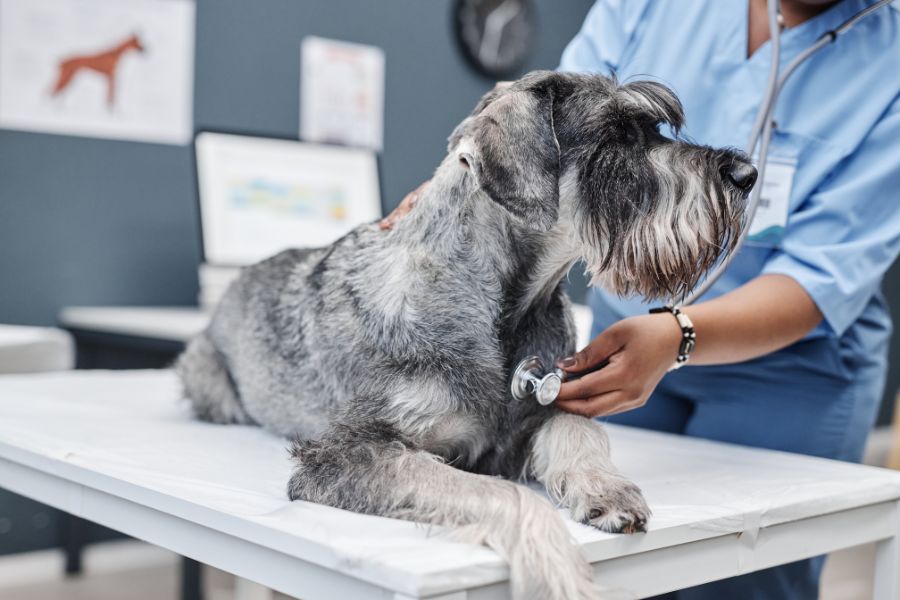
Your veterinarian may listen to the heart and lungs during routine examinations and recommend further testing when appropriate.
Can Senior Pets Develop Diabetes?
Diabetes can cause increased thirst and urination and may also lead to weight loss despite a normal or increased appetite.
Owners may notice:
- Larger urine clumps.
- More frequent drinking.
- Weight changes.
- Increased hunger.
- Reduced energy.
These signs can occur with other medical conditions, so testing is needed to identify the cause.
A senior pet with noticeable changes in thirst, urination, appetite, or weight should be evaluated.
What Are Signs of Cognitive Changes in Older Pets?
Some older dogs and cats develop changes in memory, awareness, sleep patterns, or interaction with family members. These may include confusion, nighttime restlessness, getting stuck in unusual places, or changes in familiar routines. However, behavior changes can also result from pain, vision loss, hearing loss, or medical conditions. In a hypothetical case, an older dog named Cooper began pacing at night and seemed confused in familiar rooms. His owner initially assumed it was normal aging, but a veterinary examination helped identify other health factors that needed attention. Behavior changes deserve discussion rather than automatic acceptance as part of getting old.
How Are Senior Pet Health Problems Diagnosed?
Diagnosis begins with your pet’s history and physical examination. The veterinarian may ask about appetite, thirst, urination, mobility, behavior, weight, and changes at home.
Depending on the findings, testing may include:
- Bloodwork
- Urine testing
- Blood pressure measurement
- Imaging
- Dental assessment
- Other targeted diagnostics
Not every senior pet needs every test. Testing should be based on the individual animal’s age, symptoms, history, and examination.
When Should You Take a Senior Pet to the Vet?
Some changes can wait for a scheduled appointment, while others need prompt attention.
Contact your veterinarian when your senior pet develops:
- Persistent appetite changes
- Weight loss
- Increased thirst
- Increased urination
- New mobility problems
- Repeated vomiting
- Ongoing diarrhea
- New behavior changes
- New lumps or skin changes
Seek senior pet care for severe weakness, collapse, major breathing problems, or rapidly worsening symptoms.
Conclusion
Senior pets can remain active and comfortable for many years, but age-related health changes deserve attention. Weight loss, mobility problems, dental disease, increased thirst, behavior changes, and breathing concerns can all provide clues that your pet needs an evaluation. Recognizing these changes early gives your veterinarian more information to work with.
If you notice changes in your older pet and are looking for a vet near you, then Loving Care Animal Hospital in Palatine, IL can help assess the problem and determine what care may be appropriate. Regular examinations and careful observation at home are valuable tools for supporting your pet through the senior years.
FAQs
Q1: What are the most common senior pet health problems?
A: Common concerns include arthritis, dental disease, kidney problems, heart disease, diabetes, vision changes, and cognitive changes. The risks vary by species, age, breed, and individual health history.
Q2: How do I know if my senior pet is sick or just getting older?
A: New or worsening changes in appetite, thirst, weight, mobility, urination, breathing, or behavior should not automatically be considered normal aging. A veterinarian can help determine whether an underlying condition is present.
Q3: Do senior pets need more veterinary visits?
A: Many older pets benefit from closer health monitoring because their needs can change over time. Your veterinarian can recommend an appropriate examination schedule based on your pet’s health.
Q4: How much does senior pet care cost?
A: Costs vary depending on your pet’s age, health, examination needs, and diagnostic testing. Ask your veterinary team for an estimate before recommended testing or treatment.
Q5: When should I take my senior pet to the vet?
A: Schedule an appointment for persistent changes in appetite, weight, thirst, urination, mobility, or behavior. Seek prompt care for breathing difficulty, collapse, severe weakness, or rapidly worsening symptoms.

Unable to locate Global Block : 69